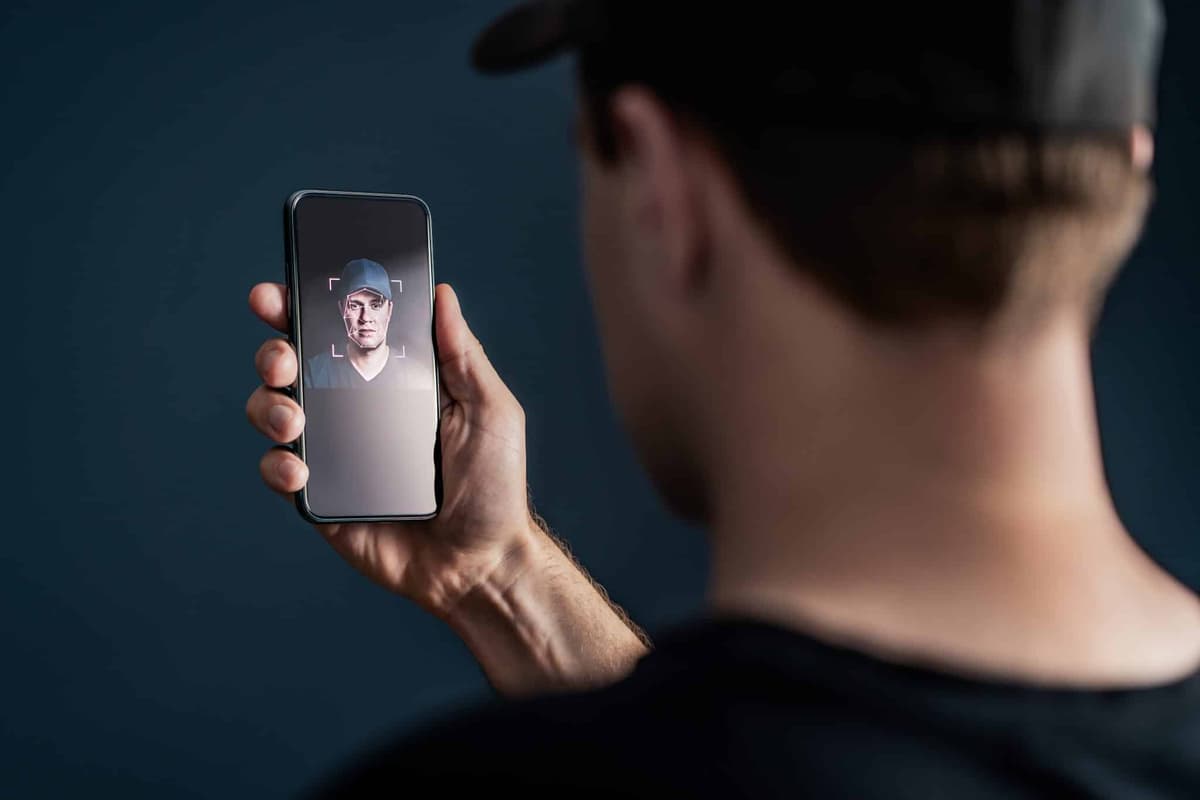
PXL Vision Integrates Deepfake Detection Technique From Research with Idiap
•February 25, 2026
0
Why It Matters
The solution equips regulated businesses with real‑time protection against sophisticated AI‑generated fraud, safeguarding compliance and user trust. It also sets a new benchmark for biometric security in a rapidly evolving threat landscape.
Key Takeaways
- •PXL Vision launches deepfake detector for ID verification
- •Technique integrates face swapping, reenactment, synthetic ID detection
- •Project ROSALIND funded by Innosuisse supports AI security research
- •Idiap paper shows GPT‑4o outperforms open‑source VLMs
- •Text manipulation detection remains challenging due to generalization gap
Pulse Analysis
The rapid improvement of generative AI has turned deepfakes from a novelty into a tangible threat for digital onboarding. Fraudsters can now swap faces or create entirely synthetic identities that pass visual checks, undermining traditional biometric safeguards. Financial institutions and regulated platforms therefore demand detection tools that operate in real time without adding friction for legitimate users. PXL Vision’s latest release embeds a dedicated deepfake detector into its PXL Ident suite, directly addressing this emerging attack surface.
The detector stems from the ROSALIND project, a joint effort between PXL Vision, the Idiap Research Institute and Innosuisse. Leveraging advances in computer vision and large‑scale language‑vision models, the solution can spot face‑swapping, reenactment and fully synthetic portraits embedded in passports, driver’s licences and other ID documents. Parallel research from Idiap’s Biometrics Security & Privacy group evaluated open‑source and closed‑source vision‑language models, confirming that GPT‑4o still leads performance while Qwen‑2.5 offers the best open‑source results. The studies also highlight a ‘generalization problem’ where models miss subtle text manipulations.
By integrating these capabilities, PXL Vision strengthens compliance‑critical onboarding pipelines, reducing exposure to AI‑driven identity fraud while preserving user experience. The move signals a broader industry shift toward privacy‑preserving, AI‑enhanced verification that can keep pace with generative threats. As regulators tighten KYC standards, providers that combine biometric accuracy with deepfake resilience will command a competitive edge. Ongoing collaborations and competitions, such as the previous injection‑attack contest, suggest that the ecosystem will continue to innovate, driving faster adoption of robust, AI‑aware identity solutions.
PXL Vision integrates deepfake detection technique from research with Idiap
0
Comments
Want to join the conversation?
Loading comments...