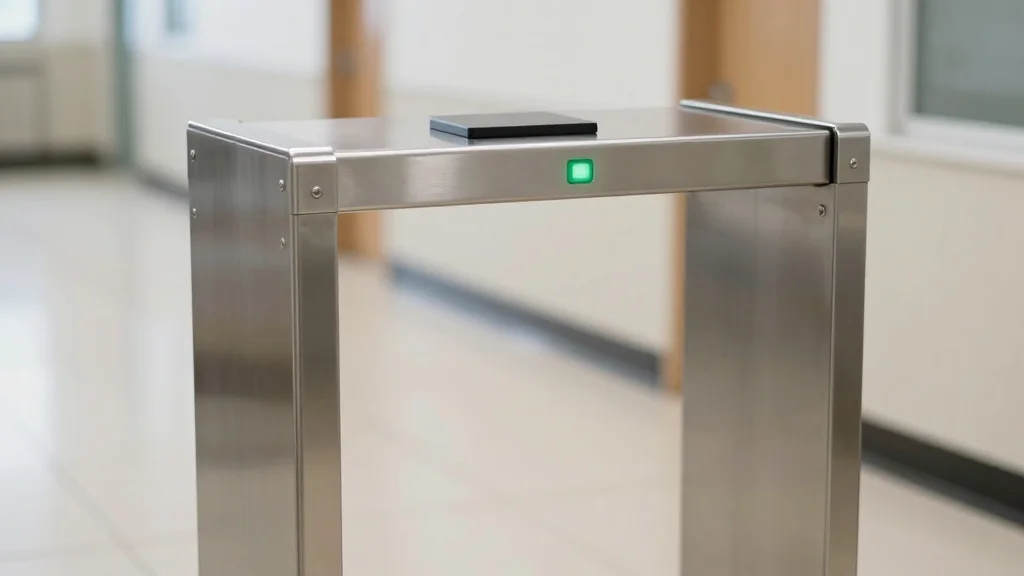
Q&A: Do Weapons Detection Systems Keep Schools Safe?
Why It Matters
Without integrated policies and cultural safeguards, detection tools may miss threats and erode confidence, impacting overall school safety and public trust.
Key Takeaways
- •Weapon detectors need clear policies and responsible operators.
- •Perimeter door propping remains a common security gap.
- •Technology alone creates false sense of safety.
- •Multi‑hazard approach essential for effective school security.
- •School weapon incidents have risen steadily over six years.
Pulse Analysis
The Pinellas County School District has begun field‑testing weapon detection systems at two campuses, reflecting a national trend of schools turning to technology after a noticeable uptick in firearm incidents. Data from the Center for Homeland Defense and Security shows that weapons‑related events in K‑12 settings have increased roughly 30 % over the past six years, prompting districts to explore metal‑detecting gates, handheld scanners, and AI‑driven imaging. While these tools promise an additional layer of protection, they are being deployed in environments where adolescents move freely and traditional security perimeters are often porous.
Experts warn that relying solely on scanners can breed complacency, as the devices only flag metal objects and cannot assess intent. Mo Canady, director of the National Association of School Resource Officers, stresses that successful implementation hinges on clear operating procedures, designated staff, and rapid response protocols once an alarm sounds. Equally critical is securing the school perimeter; propped doors and unsecured entry points remain low‑tech vulnerabilities that technology cannot remedy. Building a safety culture through regular drills, student education, and community engagement takes months, if not years, to embed.
The debate over weapon detection underscores a larger shift toward layered security strategies in education. Districts that combine physical barriers, behavioral threat assessment teams, and mental‑health resources are better positioned to deter incidents before they reach the gate. Federal grant programs, such as the School Safety and Security Funding, now prioritize multi‑hazard plans over single‑technology purchases, encouraging administrators to allocate budgets across training, infrastructure, and counseling. As policymakers weigh the cost‑benefit of high‑tech solutions, the consensus remains clear: technology is a tool, not a substitute for comprehensive, community‑driven safety frameworks.
Q&A: Do Weapons Detection Systems Keep Schools Safe?
Comments
Want to join the conversation?
Loading comments...