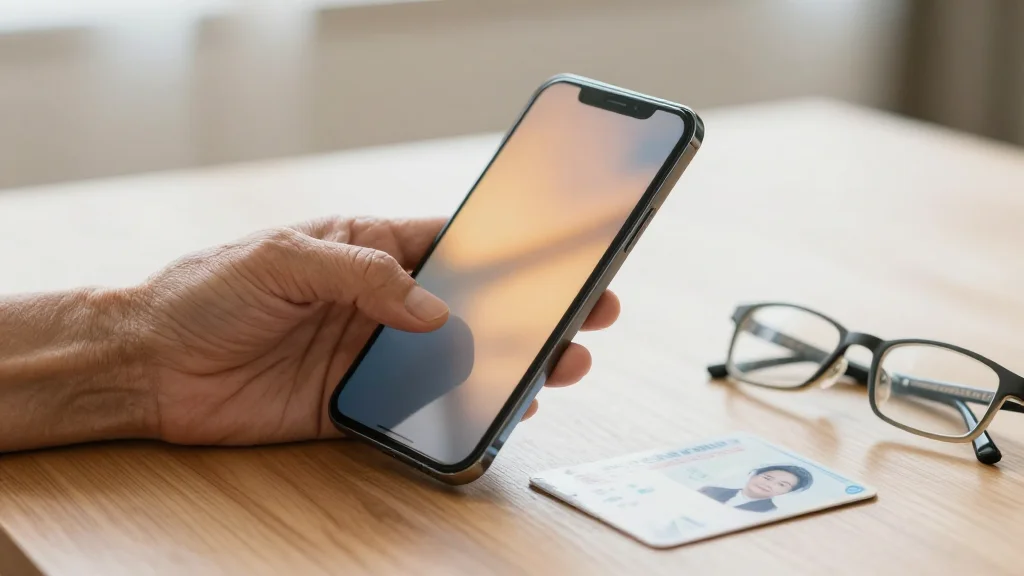
Reminder to Public, Private Establishments to Recognise Filipino Digital Senior Citizens ID
Why It Matters
Recognizing the digital NSCID streamlines access to discounts and services for over a million elderly Filipinos, accelerating the country’s broader digital‑government agenda and reducing bureaucratic friction. It also pressures private sector players to upgrade verification processes, shaping the future of inclusive fintech in the Philippines.
Key Takeaways
- •Over 1.3 million seniors have downloaded the digital NSCID via eGovPH.
- •Government advisory mandates banks and merchants to accept the digital ID.
- •Physical senior cards remain valid alongside the new mobile credential.
- •Some establishments still refuse digital IDs, highlighting compliance gaps.
- •Digital ID aims to streamline discounts, loans, and government aid for elders.
Pulse Analysis
The rollout of the digital National Senior Citizens ID marks a pivotal step in the Philippines’ push toward a fully integrated e‑government ecosystem. Launched in 2025 through a partnership between the National Commission on Senior Citizens and the Department of Information and Communications Technology, the eGovPH Super App consolidates multiple government services into a single mobile platform. By digitizing the senior ID, the government aims to reduce reliance on worn plastic cards, cut administrative overhead, and align with global trends toward mobile‑first identity verification.
For senior Filipinos, the digital ID unlocks immediate benefits: automatic eligibility for the mandated 20% discount on medicines, food, and transport, as well as streamlined access to banking services, loan applications, and social assistance programs. Early adopters report greater convenience, especially when elderly relatives forget physical cards. However, the transition surfaces compliance challenges; reports of merchants and banks refusing the digital credential underscore the need for consistent training and enforcement. Maintaining the validity of both physical and digital IDs mitigates exclusion risks while the government ramps up public awareness campaigns.
The broader market implications are significant. Financial institutions and retailers must adapt their point‑of‑sale and KYC systems to recognize mobile credentials, spurring investment in secure digital verification tools. Successful adoption could serve as a blueprint for other demographic‑specific IDs, reinforcing the Philippines’ reputation as a Southeast Asian leader in digital identity innovation. Stakeholders are urged to prioritize interoperability, user education, and robust audit mechanisms to ensure the digital NSCID delivers on its promise of inclusive, frictionless service delivery.
Reminder to public, private establishments to recognise Filipino digital senior citizens ID
Comments
Want to join the conversation?
Loading comments...