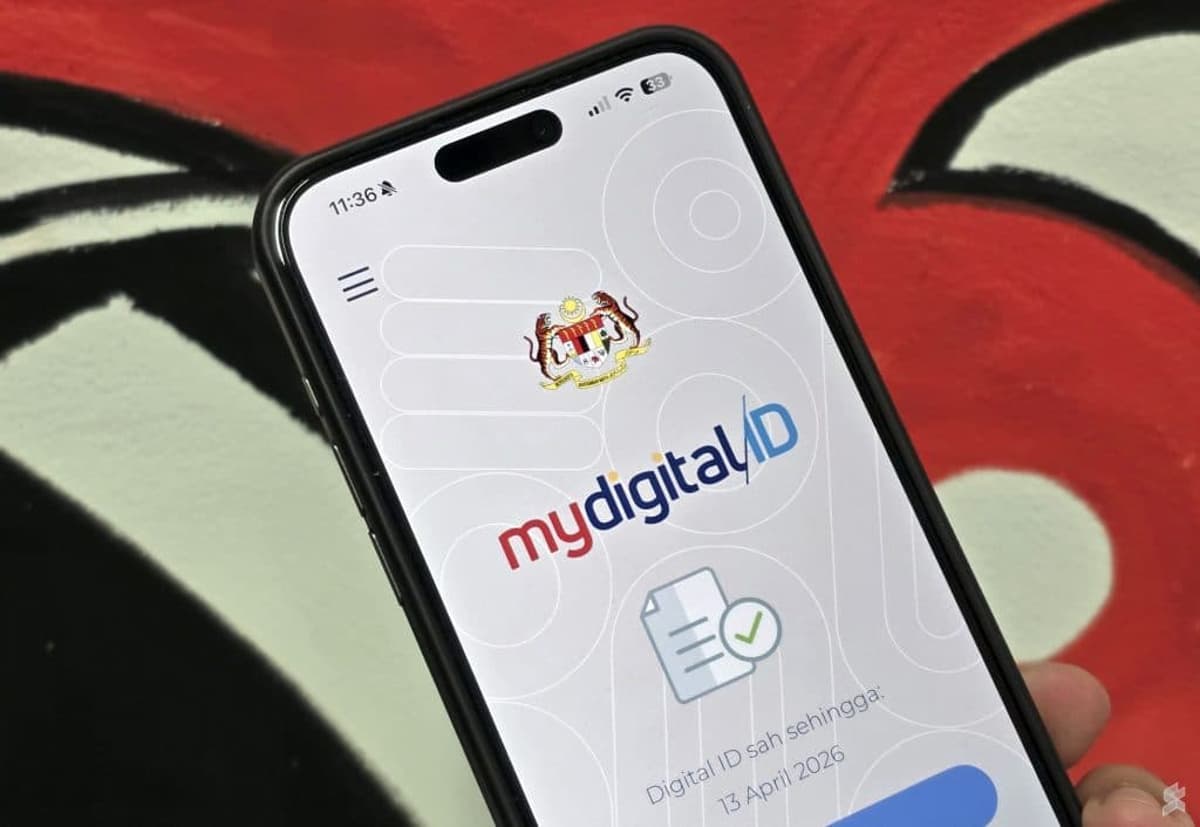
Researchers Give Malaysian Gov’t Lengthy Digital ID To-Do List
Why It Matters
A robust, inclusive digital ID underpins efficient public service delivery and fuels secure enterprise access management, positioning Malaysia as a regional leader in identity‑centric digital transformation.
Key Takeaways
- •8.7 million users registered, 50% of year‑end target
- •Paper urges statutory reforms and independent oversight body
- •Calls for open standards, vendor neutrality, and sustainable funding
- •Suggests expanding ID eligibility to all legal residents
- •Highlights governance as critical, citing Estonia, Singapore, India
Pulse Analysis
Malaysia’s MyDigital ID has quickly become the backbone of digital public services, enabling citizens and legal residents to log in to more than 80 platforms with a single credential. While the system already meets international best practices in security and privacy‑by‑design, the Khazanah Research Institute warns that without a stronger statutory framework and clear funding streams, long‑term adoption could stall. By formalizing the credential lifecycle, establishing an independent oversight board, and ensuring vendor‑neutral open standards, the government can lock in trust and resilience for the next decade.
The paper’s comparative analysis of Estonia’s e‑ID, Singapore’s SingPass, and India’s Aadhaar underscores that governance structures are as decisive as technology. Those nations succeeded by aligning legal mandates, transparent accountability, and interoperable technical architectures, which in turn drove mass enrollment and cross‑sector integration. Malaysia’s current half‑target registration suggests that similar alignment—particularly around inclusion strategies for non‑MyKad residents—could accelerate critical‑mass adoption and prevent digital divides.
For enterprises, the evolution of MyDigital ID signals a shift toward converged identity ecosystems where physical and logical access converge. HID Global’s senior director highlights the risk of under‑investing in identity infrastructure, noting that integrated, identity‑centric access management reduces fraud and streamlines user experience. As MyDigital ID matures, businesses can leverage its authentication layer to secure premises, applications, and data, provided the government delivers the promised regulatory clarity and interoperable standards. This synergy promises to boost Malaysia’s competitiveness in the ASEAN digital economy.
Researchers give Malaysian gov’t lengthy digital ID to-do list
Comments
Want to join the conversation?
Loading comments...