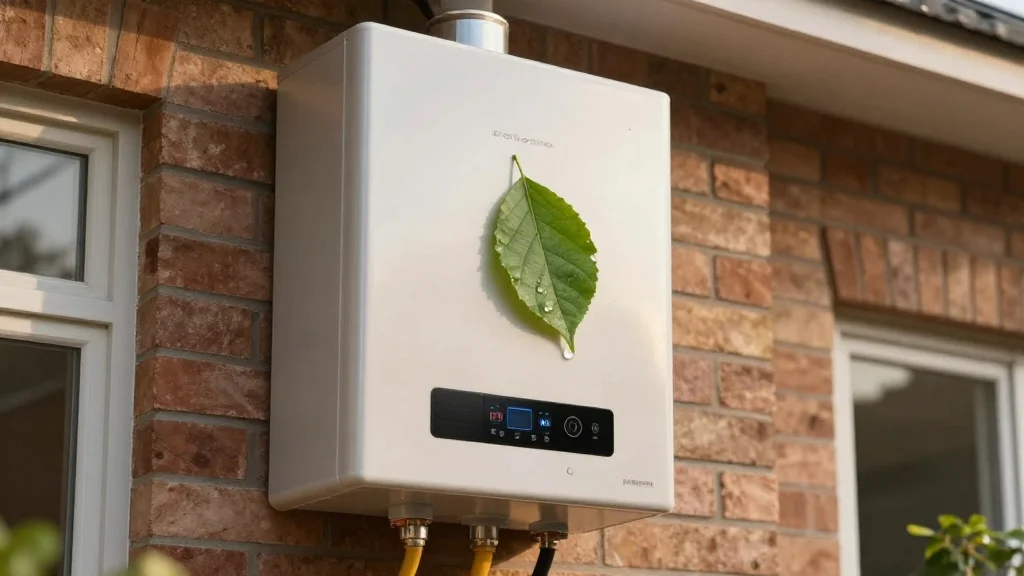
San Francisco Helps Home Child Care Centers Wean Off Gas
Why It Matters
This pilot demonstrates a scalable model for decarbonizing small residential‑type facilities, directly protecting children’s health while advancing San Francisco’s net‑zero goals. Success could spur similar programs nationwide, accelerating building‑sector emissions cuts.
Key Takeaways
- •San Francisco launches $300K pilot swapping gas heaters for electric heat pumps
- •Program targets up to 30 home‑based child‑care centers in disadvantaged neighborhoods
- •Heat‑pump upgrades cut indoor pollutants, lower energy costs, improve child health
- •LIIF will expand grant fund to support full electrification of sites
- •Contractor training creates skilled workforce for citywide building decarbonization
Pulse Analysis
San Francisco’s aggressive climate agenda places buildings at the forefront of its net‑zero strategy, with nearly half of the city’s emissions tied to the sector. Residential‑type facilities such as home‑based child‑care centers often rely on aging gas appliances that emit nitrogen oxides, carbon monoxide, and other pollutants harmful to developing lungs. By targeting these micro‑environments, the city addresses a hidden source of public‑health risk while moving a critical piece of its emissions puzzle toward the 2035 carbon‑free target.
The $300,000 pilot, financed through a Clean California Quick Start Grant and executed with the Low Income Investment Fund, swaps traditional gas water heaters for electric heat‑pump models in up to 30 child‑care homes. So far, five installations have been completed, delivering immediate reductions in indoor pollutants and lower utility bills for providers like Corazones Daycare. The program also earmarks training for ten local contractors, building a skilled workforce capable of scaling heat‑pump retrofits across the city’s broader housing stock. Additionally, lessons learned will reshape LIIF’s Child Care Facilities Fund, encouraging full electrification beyond water heaters.
If successful, the initiative offers a replicable blueprint for municipalities nationwide seeking to decarbonize small‑scale residential operations. Heat‑pump water heaters are gaining market traction, and policy signals—such as upcoming bans on new gas water heaters in 2027—will further drive adoption. The combined health benefits, cost savings, and workforce development create a compelling value proposition for cities, utilities, and investors aiming to meet climate targets while safeguarding vulnerable populations.
San Francisco helps home child care centers wean off gas
Comments
Want to join the conversation?
Loading comments...