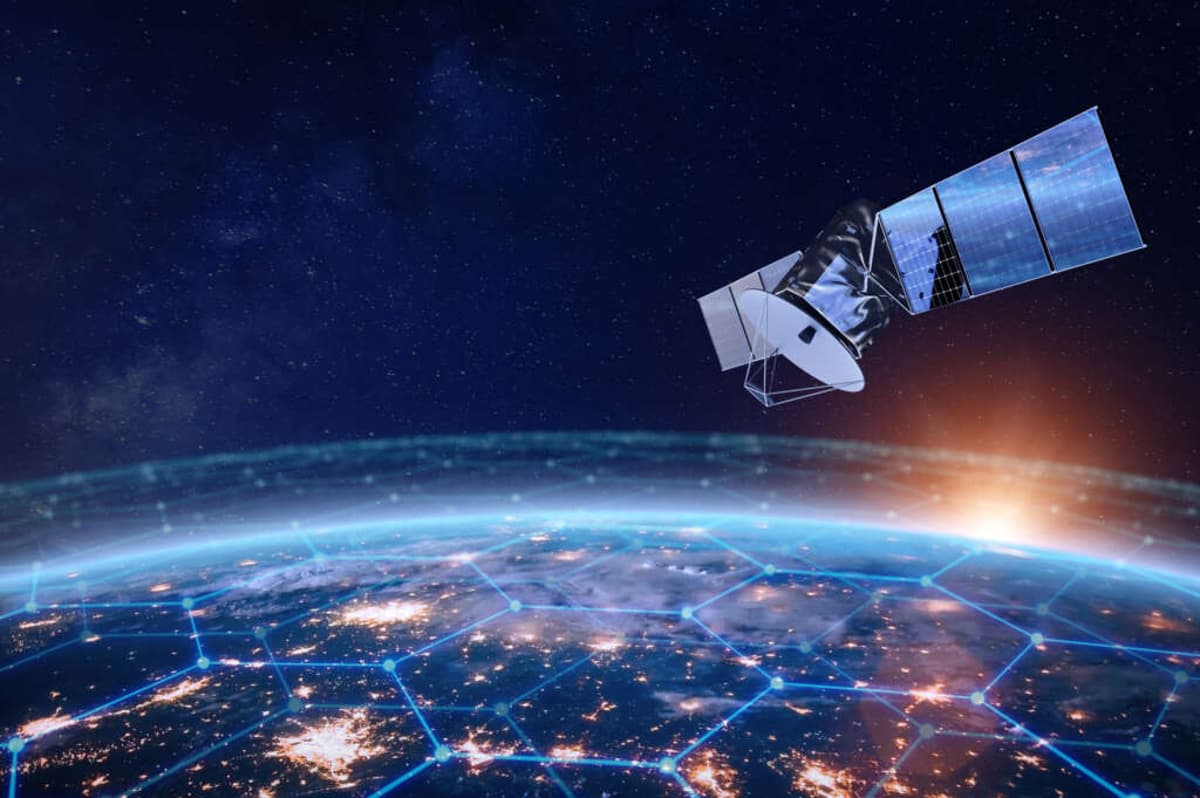
Satellite Connectivity Is the Backbone for Emergency Preparedness Response
Companies Mentioned
Why It Matters
Reliable satellite communications enable first responders to coordinate life‑saving actions when terrestrial networks fail, directly reducing casualty and recovery costs. This capability reshapes disaster response strategies across federal, state and private sectors.
Key Takeaways
- •Satellite links restored communications after Hurricane Laura’s infrastructure collapse
- •Cloud‑native, virtualized satellite systems cut deployment time to hours
- •Non‑terrestrial networks offer resilient, global coverage independent of ground damage
- •Multi‑orbit “network of networks” enables automatic path switching for responders
- •Carrier‑class satellite service supports mission‑critical video and medical data
Pulse Analysis
Extreme weather events are becoming more frequent, and each disaster tests the limits of traditional communication infrastructure. When Hurricane Laura ripped through Louisiana, downed power lines and destroyed cell towers left emergency teams operating in a dead zone. Satellite connectivity stepped in as the only reliable link, allowing the National Guard and local law enforcement to coordinate rescues, share situational data, and even maintain basic comforts for responders. This real‑world example underscores why satellite networks are now viewed as critical public‑safety assets rather than optional back‑ups.
The shift from legacy satellite terminals to cloud‑native, virtualized platforms has dramatically accelerated deployment. Modern systems can be spun up in minutes, delivering carrier‑class bandwidth that supports voice, high‑definition video, and real‑time GIS tools. By abstracting ground equipment into software‑defined functions, agencies can scale capacity on demand, reroute traffic across multiple orbits, and integrate seamlessly with 4G/5G or IP networks. This "network of networks" approach provides automatic path redundancy, ensuring continuous service even if a single satellite or ground node fails.
For emergency‑management planners, the implications are clear: investing in resilient satellite architecture reduces response times, improves inter‑agency coordination, and safeguards lives. Policymakers are increasingly mandating non‑terrestrial backup links for critical infrastructure, while commercial providers expand constellations to meet growing demand. As budgets tighten, the cost‑effectiveness of virtualized, pay‑as‑you‑go satellite services makes them attractive for both government and private responders. The industry is poised for accelerated growth, with satellite connectivity becoming the backbone of next‑generation disaster preparedness.
Satellite connectivity is the backbone for emergency preparedness response
Comments
Want to join the conversation?
Loading comments...