SBC White Paper Proposes New Mode for Devices in School Settings
•February 18, 2026
0
Companies Mentioned

Why It Matters
School Mode could set a new industry standard for managing mobile device use in education, preserving safety while minimizing classroom distractions. Its adoption would influence manufacturers, school districts, and policy makers alike.
Key Takeaways
- •School Mode auto‑activates via geolocation on school grounds
- •Opt‑in model respects family choice, not mandated
- •Emergency functions override restrictions, integrating with FEMA alerts
- •Schools define policies, device enforces them
- •SBC seeks public feedback ahead of IWCE 2026
Pulse Analysis
The debate over student smartphones has intensified as educators cite distraction while parents demand reliable communication channels, especially during emergencies. Traditional blanket bans have proven unpopular, prompting stakeholders to explore nuanced solutions that protect learning environments without severing critical contact lines. By framing the issue as a design problem rather than a rights conflict, SBC’s proposal reflects a broader shift toward technology‑enabled policy that respects both educational outcomes and family expectations.
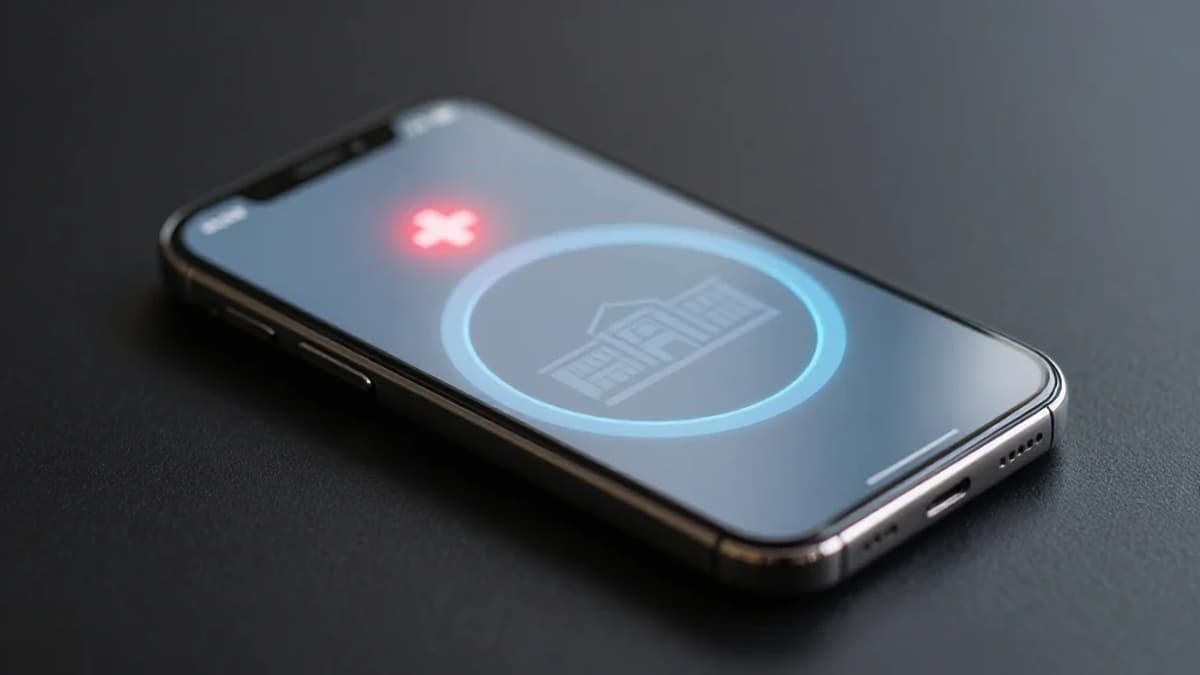
School Mode leverages modern geofencing and calendar integration to trigger restrictions automatically, a step beyond the manual Airplane Mode of the past. When a device detects it is on school property during scheduled hours, it can mute social apps, limit streaming, and restrict non‑essential data while preserving calls to parents and emergency services. The system is built on an opt‑in framework, ensuring families retain control, and incorporates real‑time overrides linked to FEMA’s Integrated Public Alert and Warning System, guaranteeing that SOS and 911 access remain uninterrupted.
If adopted, School Mode could reshape how device manufacturers embed location‑aware features, prompting OS developers to offer standardized APIs for educational geofences. School districts would gain a scalable enforcement tool without drafting custom network policies, potentially reducing the need for costly on‑site Wi‑Fi filtering. The upcoming IWCE 2026 panel will likely gauge industry readiness, and widespread feedback could accelerate pilot programs, influencing future regulations around in‑building wireless safety and student privacy.
SBC white paper proposes new mode for devices in school settings
0
Comments
Want to join the conversation?
Loading comments...