World Bank and Asian Development Bank Commit $90M to Nepal's Digital Public Infrastructure
Why It Matters
A cohesive, interoperable identity and service platform will unlock inclusive growth, reduce duplication, and protect citizen data, positioning Nepal to compete in the regional digital economy.
Key Takeaways
- •World Bank funds $50M DPI project, ADB adds $40M
- •Only 17M Nepalis have NID, <10 services linked
- •Fragmented payments, identity, and services hinder inclusive growth
- •Federated, open‑standards stack reduces breach severity, boosts adoption
- •Legal gaps in Nepal’s Privacy Act 2075 impede data sharing
Pulse Analysis
Nepal’s digital transformation is accelerating, with mobile wallets and QR‑code payments reshaping commerce. However, uneven broadband coverage and siloed platforms have created a fragile foundation for the country’s burgeoning digital economy. Analysts warn that without a unified digital public infrastructure, the rapid adoption of fintech services could outpace the government’s ability to ensure security, consumer protection, and equitable access, leaving many citizens on the margins of the new economy.
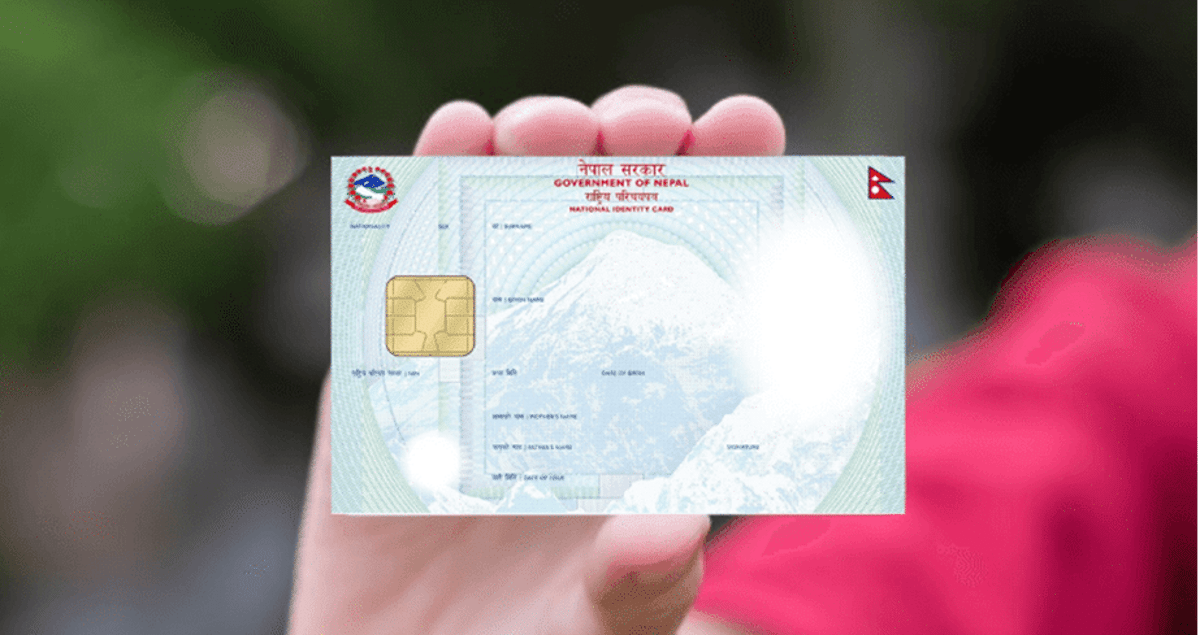
At the heart of the challenge is Nepal’s National Identity Card (NID) system. Although enrollment has surpassed 17 million, the cards are linked to fewer than ten public services, and a significant portion of the population has yet to collect their physical IDs. Scholars recommend a federated, open‑standards identity stack—leveraging OpenID Connect, MOSIP and X‑Road—to provide a consent‑driven, citizen‑centric gateway for cross‑domain transactions. Such architecture promises lower breach severity and higher voluntary adoption, while respecting constitutional constraints and privacy rights outlined in the Privacy Act 2075.
Financing and policy alignment are now converging to address these gaps. The World Bank’s $50 million commitment, complemented by $40 million from the Asian Development Bank, underpins the Nepal Digital Transformation Project, which aims to build a national data exchange and integrated social protection system. By standardizing APIs and establishing robust governance, the initiative seeks to break down silos, promote financial inclusion, and ensure that digital services reach all citizens, not just the urban elite. Successful implementation could serve as a model for other emerging economies grappling with fragmented digital ecosystems.
Deal Summary
The World Bank announced a $50 million financing package for Nepal’s digital public infrastructure, while the Asian Development Bank pledged an additional $40 million, bringing total funding to $90 million for the Nepal Digital Transformation Project. The funds will support the design of a new national data exchange and identity system, aiming to integrate government services and improve digital inclusion.
Comments
Want to join the conversation?
Loading comments...