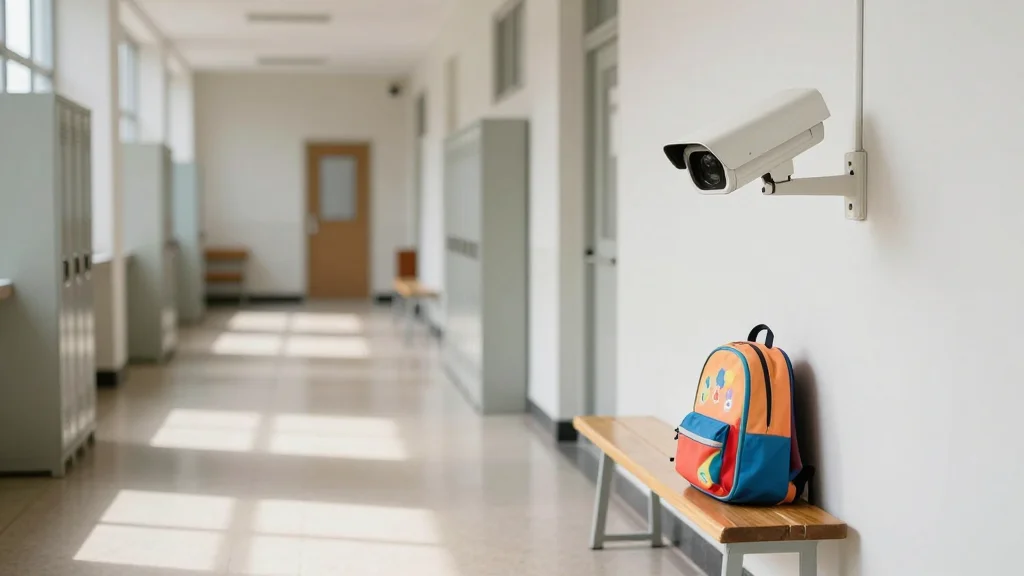
Schools Spend $4B on Physical Safety Measures. Here’s What Research Says They Should Do Instead.
Why It Matters
Policymakers and administrators need to channel limited funds toward measures that truly reduce violence rather than those that damage community trust.
Key Takeaways
- •Schools allocate $4 B annually to physical security technologies.
- •AI weapons detectors have produced false arrests and student distrust.
- •Evidence shows supportive climates lower violence more than hardware.
- •License‑plate readers and account monitoring raise privacy concerns.
- •Funding shifts to mental‑health and relationship building improve safety.
Pulse Analysis
Across the United States, school districts are pouring more than $4 billion a year into physical security measures—metal detectors, surveillance cameras, and increasingly sophisticated AI‑driven weapons detection systems. The surge follows a spike in campus shootings, most notably the record‑high incidents reported in 2023, prompting legislators and superintendents to treat hardening school facilities as a top priority. Yet the Learning Policy Institute points out that the efficacy data for many of these tools remain thin, and early deployments have already generated high‑profile false‑positive incidents that jeopardize student trust.
Empirical studies consistently demonstrate that a student’s sense of belonging and psychological security is a stronger predictor of violence prevention than any metal detector. Programs that nurture trusting relationships, promote inclusive school climates, and provide accessible mental‑health services have been linked to measurable declines in disciplinary referrals and threats. The LPI analysis highlights that technologies such as license‑plate readers or AI monitoring of school‑issued accounts can erode that trust, creating a climate of surveillance that may inadvertently increase anxiety and alienation among students and families.
Policymakers and district leaders now face a pivotal budgeting decision: continue allocating scarce funds to hardware that offers limited proven returns, or redirect resources toward evidence‑based interventions that build social cohesion. Shifting spending toward counselor hiring, restorative‑justice training, and community‑engagement initiatives not only aligns with the research but also mitigates the privacy and equity concerns raised by invasive surveillance tools. As state legislatures evaluate mandates for AI detection systems, a balanced approach that couples modest physical safeguards with robust mental‑health infrastructure is likely to deliver the safest, most trusted learning environments.
Schools spend $4B on physical safety measures. Here’s what research says they should do instead.
Comments
Want to join the conversation?
Loading comments...