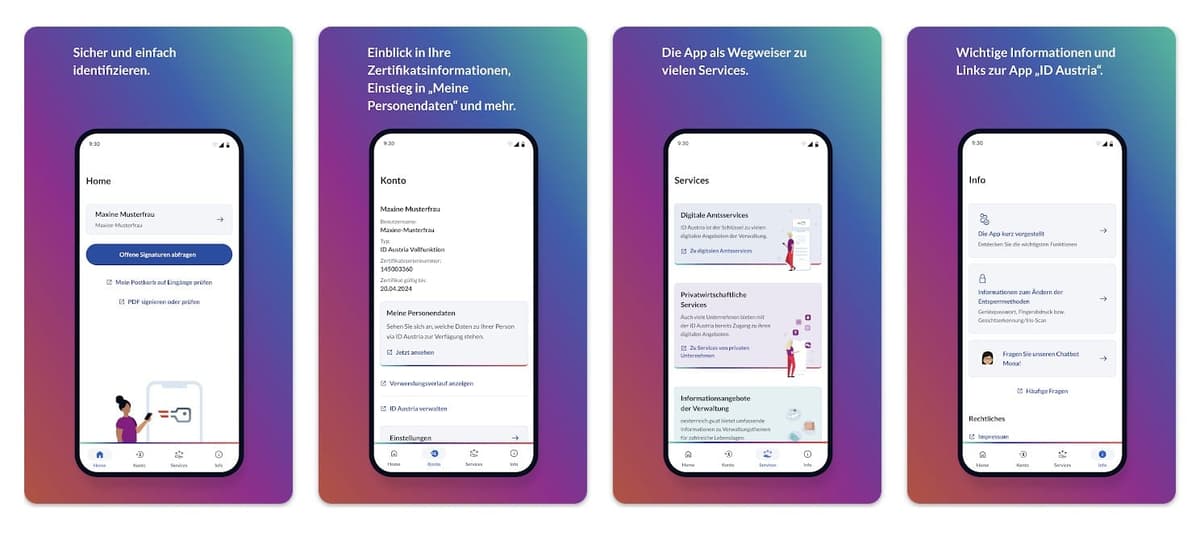
Signicat Adds Austria ID as Europe Prepares for EUDI Wallet Transition
Why It Matters
The integration lets multinational firms verify Austrian customers without separate contracts, reducing compliance costs and smoothing the transition to a fragmented EU digital‑identity landscape.
Key Takeaways
- •Signicat integrates Austria's eID, covering 6.8 million users.
- •Platform unifies 35+ national eIDs via single API.
- •Supports both current eIDs and future EUDI wallets through 2026+.
- •Aims to simplify cross‑border KYC for finance, insurance, telecom.
- •Addresses EU fragmentation risk as wallets roll out unevenly.
Pulse Analysis
Europe’s push toward a continent‑wide digital identity framework has accelerated with the EUDI wallet mandate, targeting full citizen coverage by late 2026. While the goal is seamless cross‑border authentication, member states differ in technical readiness, legislative timing, and user adoption rates. This uneven rollout creates a transitional period where legacy national eIDs and the new wallet credentials must coexist, complicating compliance for firms that operate across multiple jurisdictions.
Signicat’s eID and Wallet Hub tackles that complexity by offering a single API that abstracts over 35 national eID schemes, now including Austria’s ID Austria. The addition unlocks verification for roughly 6.8 million Austrians, representing a sizable share of the market for financial services, insurance, and telecom providers. By bundling existing eIDs with the upcoming EUDI wallet format, the platform reduces integration overhead, shortens time‑to‑market, and provides a consistent user experience regardless of the underlying credential source.
The broader market implication is a shift toward consolidated identity‑as‑a‑service solutions that can navigate the anticipated fragmentation. Companies that delay adopting a unified layer risk higher operational costs, duplicated vendor contracts, and potential regulatory gaps under eIDAS 2.0 and the AML reforms slated for 2027. Signicat’s strategy positions it as a critical enabler for businesses seeking to future‑proof their KYC processes while maintaining compliance across the EU’s evolving digital identity ecosystem.
Signicat adds Austria ID as Europe prepares for EUDI Wallet transition
Comments
Want to join the conversation?
Loading comments...