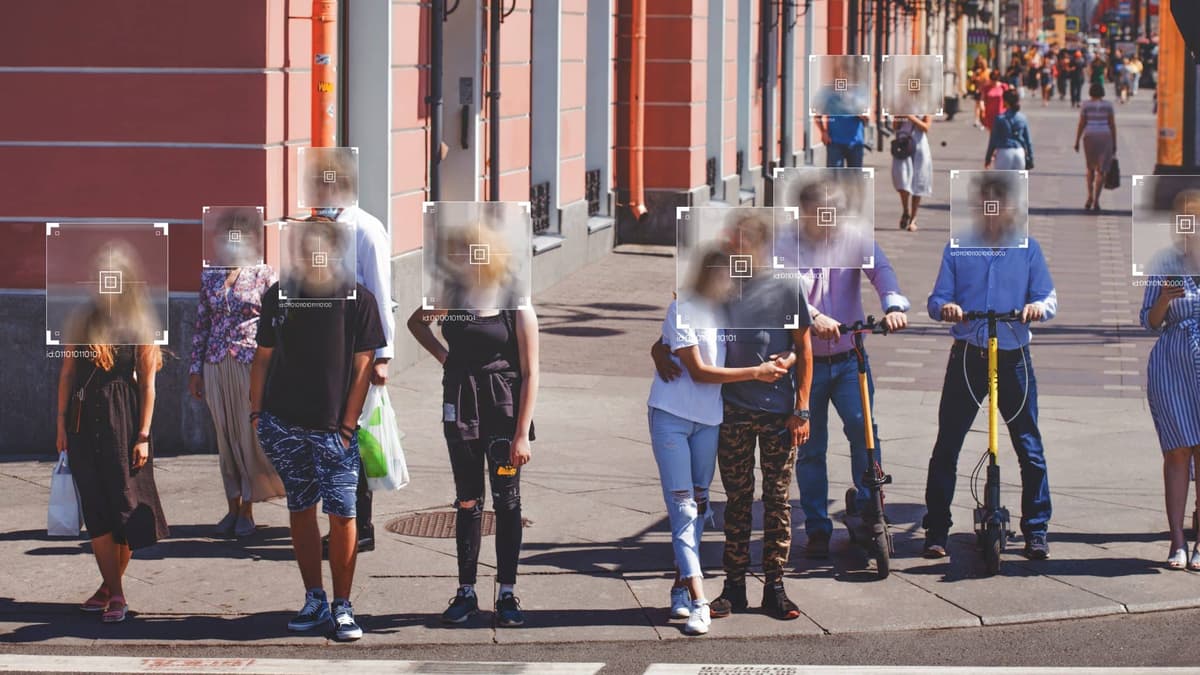
Smart Glasses, Mobile FRT Normalize Ambient Biometric Surveillance
Companies Mentioned

Why It Matters
Embedding AI‑driven facial recognition in consumer and law‑enforcement gear turns ordinary devices into pervasive surveillance tools, raising profound privacy, bias, and civil‑liberties concerns for the United States.
Key Takeaways
- •Meta embeds facial recognition code in millions of smart glasses.
- •ICE plans to give 1,000+ local agencies a face‑scan app.
- •DHS explores smart‑glass tools for immigration officers under 287(g).
- •Wearable AI blurs line between consumer cameras and law‑enforcement surveillance.
- •Privacy groups warn of covert, bias‑prone biometric identification in public.
Pulse Analysis
The rollout of Meta’s AI‑enabled smart glasses marks a pivotal moment for consumer technology. By integrating facial‑recognition algorithms directly into wearable lenses, the company transforms a simple camera into an ambient identity sensor. This shift not only expands the utility of smart glasses for everyday tasks but also familiarizes the public with the idea that their faces can be queried instantly, lowering resistance to broader biometric deployments.
On the enforcement side, ICE’s plan to distribute a mobile facial‑recognition app to more than a thousand local police departments extends the reach of immigration‑status checks far beyond traditional border checkpoints. Coupled with DHS’s exploratory smart‑glass program for immigration officers under the 287(g) delegation, the government is moving biometric verification from static stations to the point of encounter. This decentralization accelerates the transition from administrative identity checks to an enforcement reflex, where a simple scan can trigger detention or investigation.
The convergence of consumer wearables and government surveillance raises urgent policy questions. Privacy advocates warn that continuous, covert biometric scanning erodes consent, amplifies bias, and creates a persistent identification layer over public life. As accuracy concerns persist—especially for marginalized groups—the risk of wrongful matches in high‑stakes immigration contexts grows. Legislators and regulators must grapple with whether existing safeguards, such as signage and data‑use limits, can keep pace with technology that makes the camera, phone, and glasses indistinguishable from surveillance tools.
Smart glasses, mobile FRT normalize ambient biometric surveillance
Comments
Want to join the conversation?
Loading comments...