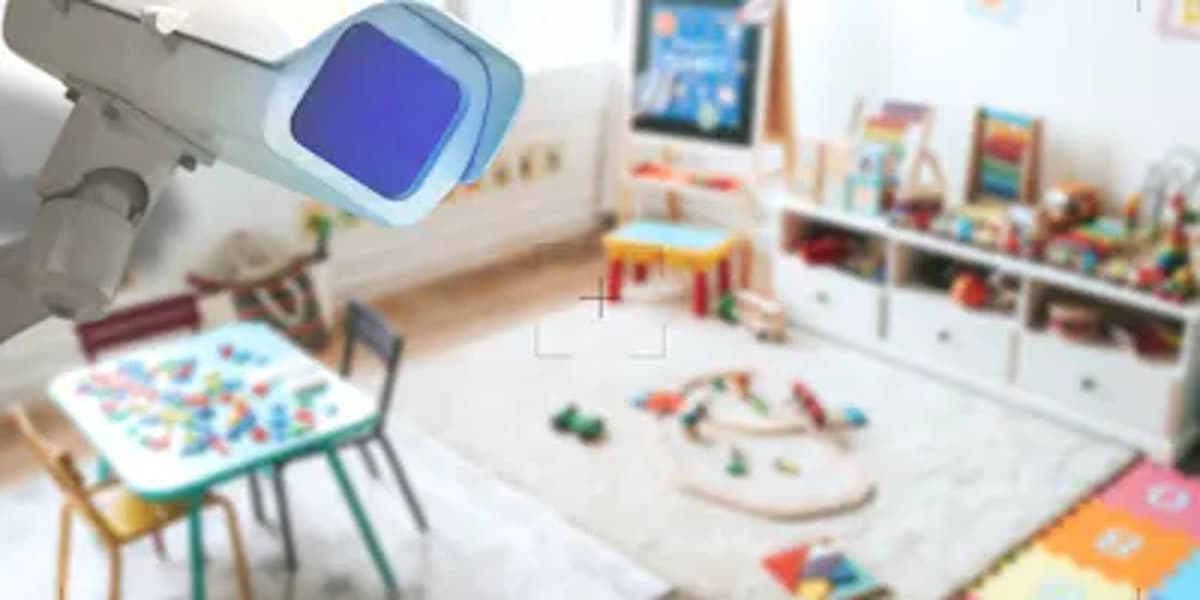
Some Advocates Concerned As States Push for Cameras in Special Education Classrooms
Why It Matters
If enacted, the laws could reshape oversight of special‑education practices, influencing liability, funding and staffing across districts, while also raising federal privacy compliance issues.
Key Takeaways
- •Several states propose cameras in self-contained special ed rooms
- •Advocates split: privacy concerns vs accountability benefits
- •Florida pilot shows parental support, 80 classrooms equipped
- •No data yet on impact; teacher shortage persists
- •Legislation varies on parental consent and footage access
Pulse Analysis
The push for classroom cameras mirrors a broader national trend of using technology to monitor school environments. As districts grapple with cellphone bans and ed‑tech overload, legislators see video surveillance as a low‑cost, scalable tool to document interactions in high‑risk special‑education settings. Existing statutes in Texas, Louisiana and West Virginia already reference FERPA, but the new wave introduces varied consent thresholds and review protocols, creating a patchwork of compliance obligations for districts that must navigate both state mandates and federal privacy standards.
Beyond the legal mechanics, the debate touches core challenges in special education. Teacher shortages, now the most acute across all subjects, could be intensified if educators perceive constant monitoring as punitive. At the same time, parents of children with disabilities often demand greater transparency after incidents of restraint or seclusion, viewing cameras as a safeguard against abuse. The lack of rigorous, longitudinal studies means policymakers are weighing anecdotal support against unproven efficacy, leaving districts to rely on pilot programs—like Broward County’s—to gauge impact on incident rates and staff morale.
Looking ahead, a balanced approach may involve coupling video surveillance with mandatory de‑escalation training and robust data collection. Federal guidance could standardize footage access, ensuring parents and independent auditors can review recordings while protecting student identities. By treating cameras as one component of a comprehensive safety framework rather than a standalone solution, states can address accountability concerns without compromising privacy or exacerbating workforce shortages. This nuanced strategy offers a pathway to improve outcomes for students with special needs while respecting the rights of educators and families.
Some Advocates Concerned As States Push for Cameras in Special Education Classrooms
Comments
Want to join the conversation?
Loading comments...