South Africans Can Say Goodbye to Car Licence Discs and Driving Licence Cards
Why It Matters
Digitising licence verification tackles entrenched fraud, improves enforcement efficiency, and modernises South Africa's transport sector ahead of a nationwide digital‑ID ecosystem.
Key Takeaways
- •RTMC will replace physical licence discs with number‑plate scanning gadgets
- •Fraudulent licences sold for R3,500‑R14,000 (~$190‑$760) prompted digitisation
- •2.8 million of 13.5 million drivers already use eNatis online services
- •Digital IDs on MyMzansi will host licences, IDs, and certificates by 2026
- •“E‑force” devices will log fines and support the AARTO system from July 2026
Pulse Analysis
The Road Traffic Management Corporation (RTMC) announced a decisive shift away from paper licence discs toward an electronic, number‑plate‑recognition system. The move follows a series of investigations that uncovered syndicates selling fraudulent driving licences for between R3,500 and R14,000 (roughly $190‑$760) and duplicating licence discs across public‑transport and freight fleets. With only 2.8 million of the nation’s 13.5 million drivers currently registered on the eNatis portal, the agency sees digital enforcement as a way to curb corruption, improve compliance, and modernise a sector long plagued by manual paperwork.
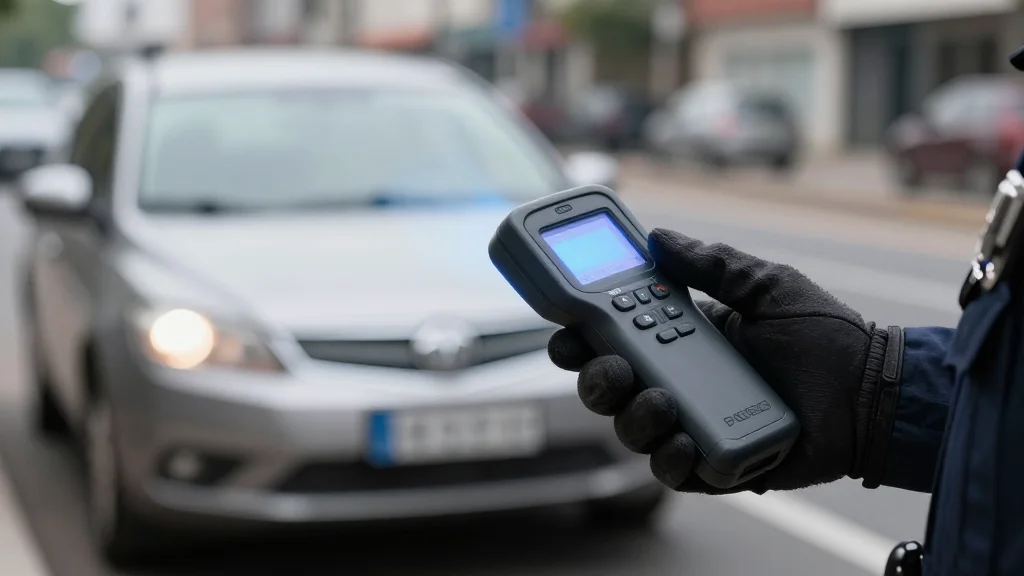
RTMC’s rollout will equip traffic officers with handheld “e‑force” devices capable of scanning plates, displaying registration data, and issuing electronic tickets. The gadgets will feed directly into the Administrative Adjudication of Road Traffic Offences (AARTO) platform slated for a national launch on 1 July 2026, streamlining fine collection and reducing opportunities for tampering. By leveraging the existing eNatis backend, which has been digital since 2008, the system can verify licence status in real time and flag vehicles with expired permits, delivering immediate compliance checks at roadblocks and checkpoints.
The electronic licence agenda dovetails with the government’s broader digital‑ID strategy, which will host driving licences, birth certificates and even firearm permits on the MyMzansi app by the end of 2026. For logistics firms, a reliable, tamper‑proof registration record promises lower insurance premiums and smoother cross‑border clearance. Moreover, South Africa’s transition sets a precedent for other African nations grappling with licence fraud and outdated paperwork. Successful implementation will depend on robust data security, officer training, and public acceptance of biometric verification as a substitute for traditional cards.
South Africans can say goodbye to car licence discs and driving licence cards
Comments
Want to join the conversation?
Loading comments...