South Korea to Slash 75% of DMZ Troops, Swap Soldiers for AI Surveillance and Drones by 2040

Companies Mentioned
Why It Matters
The plan marks one of the most ambitious applications of AI and robotics to a sovereign border, signaling a new era for GovTech solutions in national security. By substituting human soldiers with autonomous sensors and drones, South Korea is testing whether machine‑driven situational awareness can match or exceed the deterrent effect of a large troop footprint. The outcome will influence procurement strategies across allied defense ministries, potentially accelerating global demand for AI‑enabled surveillance platforms. Domestically, the shift addresses a looming conscript shortfall caused by South Korea’s declining birth rate, ensuring that the armed forces can maintain operational readiness without expanding the pool of eligible draftees. Internationally, the move could reshape the security calculus on the Korean Peninsula, as North Korea assesses the credibility of a border defended largely by machines rather than boots on the ground.
Key Takeaways
- •Frontline DMZ troops to be cut from ~22,000 to ~6,000 by 2040, a 75% reduction.
- •2.16 billion won ($1.6 million) allocated in 2026 budget for AI surveillance rollout.
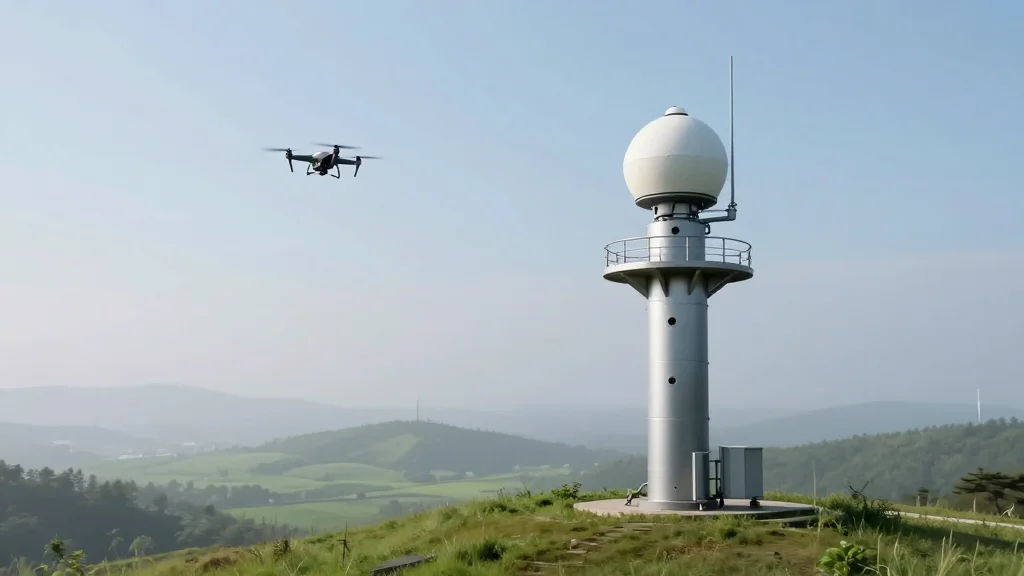
- •AI cameras, drones, unmanned ground vehicles and combat robots to replace routine monitoring.
- •16,000 redeployed soldiers will shift to rear‑area rapid‑response and support roles.
- •Defense Innovation 4.0 will train ~50,000 tech‑focused NCOs to operate new systems.
Pulse Analysis
South Korea’s DMZ overhaul is a textbook case of GovTech scaling from pilot projects to national infrastructure. The defense sector has traditionally lagged behind commercial AI adoption due to security clearance hurdles and the high cost of failure. By committing budget and political capital to an AI‑first border strategy, the Ministry is effectively de‑risking the technology through incremental field trials, a playbook that could be replicated by other ministries facing similar manpower constraints.
The procurement landscape will likely fragment between legacy defense contractors and agile start‑ups capable of delivering edge‑AI hardware that can operate in harsh, low‑latency environments. Companies that can integrate sensor fusion, real‑time analytics and secure communications will capture the lion’s share of contracts, while those reliant on legacy platforms may be forced to pivot or partner. This dynamic could accelerate consolidation in the GovTech supply chain, mirroring trends seen in civilian smart‑city deployments.
Strategically, the success of AI‑driven border security hinges on the system’s ability to avoid false alarms that could trigger diplomatic crises. If the technology proves reliable, it may set a precedent for AI‑mediated deterrence, reducing the need for large standing forces in other contested zones worldwide. Conversely, any high‑profile misstep could reinforce the argument that human presence remains essential for credible deterrence, tempering the enthusiasm for fully autonomous defense solutions. The next decade will therefore be a litmus test for the balance between technological efficiency and the human element in national security.
South Korea to Slash 75% of DMZ Troops, Swap Soldiers for AI Surveillance and Drones by 2040
Comments
Want to join the conversation?
Loading comments...