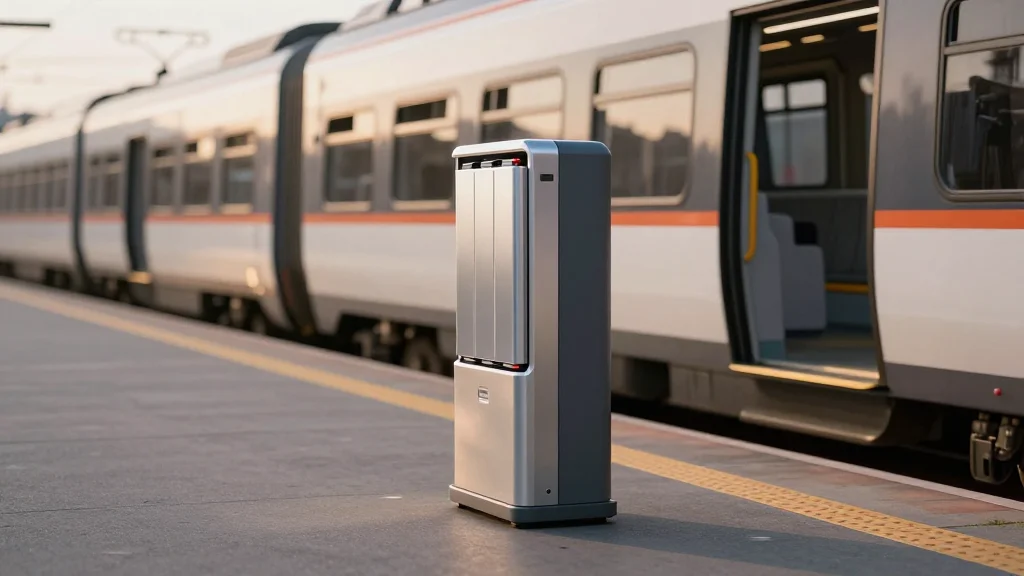
Southern Railway Rolls Out EV-Battery Swapping Facility at Suburban Stations
Why It Matters
The rollout accelerates India’s green mobility agenda by integrating fast‑charging infrastructure into high‑traffic public transit hubs, enhancing EV adoption and reducing urban emissions. It also creates a new revenue stream for the railways and private operators.
Key Takeaways
- •21 contracts awarded for a five‑year battery‑swap rollout
- •Facilities installed at 13 major Chennai stations for EV commuters
- •Projected annual licence fee revenue ≈ ₹5.34 million ($64k)
- •Battery swapping cuts EV charging wait to minutes via mobile apps
- •Railway provides space; operators handle installation, operation, maintenance
Pulse Analysis
India’s push for greener transport has found a natural ally in its rail network. By embedding battery‑swapping stations within Chennai’s bustling suburban stations, Southern Railway leverages existing real‑estate to address a critical gap in electric‑vehicle infrastructure—fast, convenient charging. The public‑private partnership model, where licensed operators install and run the kiosks while the railway supplies space, mirrors successful global pilots and aligns with the government’s carbon‑reduction targets.
The five‑year rollout, backed by 21 contracts, targets high‑footfall hubs such as Central, Egmore and Velachery, promising commuters, delivery riders and students a seamless last‑mile solution. Users can swap a depleted pack for a fully charged one in minutes through a dedicated mobile app, sidestepping the hours‑long wait of conventional chargers. This convenience is expected to spur EV usage in the city’s dense corridors, while the projected ₹5.34 million (about $64,000) annual licence fee adds a modest but steady revenue line for both the railways and operators.
Beyond Chennai, the initiative signals a scalable template for other Indian metros where rail stations dominate commuter flows. Rapid‑swap technology could reduce urban congestion, lower emissions, and accelerate the transition to electric mobility if replicated nationwide. However, success hinges on reliable battery supply chains, standardized pack designs, and robust cybersecurity for the app‑based transaction platform. As the ecosystem matures, battery‑swapping could become a cornerstone of India’s sustainable transport strategy, positioning railways as pivotal mobility hubs rather than mere passenger carriers.
Southern railway rolls out EV-battery swapping facility at suburban stations
Comments
Want to join the conversation?
Loading comments...