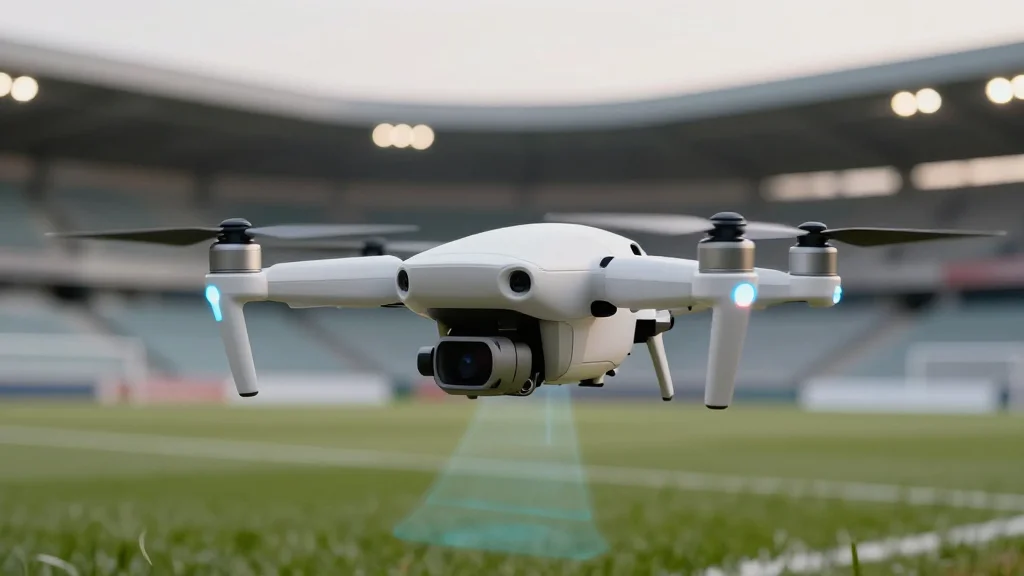
Spokane, Wash., Police to Use Drones to Protect World Cup Team
Why It Matters
The acquisition secures high‑tech protection for a high‑profile international team while positioning Spokane’s police to meet emerging federal security standards. It also creates a reusable asset pool for future large events, potentially reducing long‑term public‑safety costs.
Key Takeaways
- •Spokane Police buys four Skydio drones for $80k total
- •Drones cost $127k; barriers about $100k, reimbursed via FIFA grants
- •Purchase replaces Chinese-made drones, complying with new federal ban
- •Drones offer 7.5‑mile range, thermal imaging, autonomous night flight
- •Barriers designed for vehicle attacks, reusable for future events
Pulse Analysis
The 2026 World Cup has turned Spokane into a temporary hub for Team Egypt, prompting local officials to fast‑track a security upgrade that blends cutting‑edge drone technology with physical perimeter defenses. By allocating $127,000 for four Skydio X10 units and nearly $100,000 for modular road barriers, the city not only safeguards the team’s training sites but also taps into federal grant programs earmarked for World Cup‑related infrastructure. This rapid procurement reflects a broader trend among U.S. municipalities to modernize public‑safety tools in response to high‑visibility events, where the stakes for crowd control and rapid response are especially high.
Beyond the immediate World Cup mission, Spokane’s shift away from Chinese‑manufactured drones underscores compliance with the 2024 federal restriction on foreign‑origin unmanned aerial systems. The Skydio platform, built by Axon, offers autonomous navigation, thermal imaging, and a 7.5‑mile operational radius—features that are increasingly valuable for law‑enforcement scenarios ranging from missing‑person searches to hazardous‑material incidents. By integrating add‑ons such as spotlights, speakers, and a medical‑supply dropper, the department expands the drones’ utility beyond surveillance, positioning them as versatile first‑responder assets.
The barrier system, sourced from Meridian Rapid Defense Group, adds a physical layer of protection against vehicle‑borne threats, a concern amplified after recent attacks on public gatherings worldwide. Designed for quick deployment around Gonzaga University’s practice fields, the plastic‑chain barriers can be repurposed for concerts, festivals, or emergency evacuations, extending their lifespan well beyond the tournament. Together, the aerial and ground solutions illustrate how host cities can leverage a single event to accelerate long‑term public‑safety investments, creating a legacy of enhanced security infrastructure for future civic needs.
Spokane, Wash., Police to Use Drones to Protect World Cup Team
Comments
Want to join the conversation?
Loading comments...