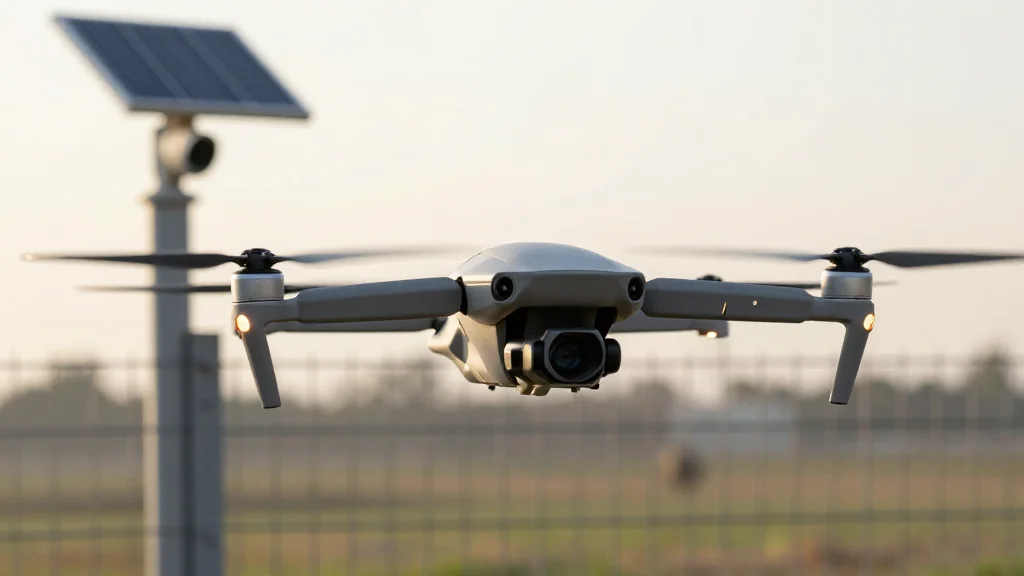
Tech at Centre of SA’s Border Control over Easter
Why It Matters
The data shows that advanced surveillance and communication tech can significantly curb illegal migration while increasing facilitator prosecutions, reshaping border security strategies across the region.
Key Takeaways
- •Illegal crossings fell 24% year‑over‑year
- •Facilitator arrests rose 22% to 138
- •Drones and body‑cameras boosted interception efficiency
- •42 joint operations conducted with partner agencies
- •Push‑to‑talk tech enabled real‑time tracking
Pulse Analysis
South Africa’s Border Management Authority (BMA) is leveraging a suite of digital tools to tighten control over its porous frontiers. During the 2026 Easter window, the agency deployed fixed‑wing and rotary drones to monitor high‑risk river crossings, while officers equipped with body‑worn cameras captured real‑time evidence of illegal entry attempts. These technologies, combined with push‑to‑talk communication platforms, allowed rapid coordination among patrol units, resulting in 4,763 interceptions—a 24% reduction compared with the 2025 period. The data underscores how persistent aerial surveillance and instant communication can act as force multipliers in complex, multi‑jurisdictional environments.
Beyond the raw numbers, the BMA’s emphasis on facilitator arrests marks a strategic shift toward dismantling the networks that enable irregular migration. By apprehending 138 facilitators—a 22% increase over the prior year—the authority sent a clear deterrent signal to smugglers and crime syndicates operating along the Limpopo and Caledon corridors. The integration of technology not only improves detection but also strengthens prosecutorial cases, as video and audio records provide admissible evidence under South Africa’s Immigration Act. This approach aligns with broader regional trends where governments are investing in smart border solutions to combat transnational crime.
Looking ahead, the BMA’s success during the Easter period sets a benchmark for future peak migration seasons. The agency plans to expand its technology stack, incorporating AI‑driven analytics to predict movement patterns and further automate response protocols. Such advancements promise to enhance operational efficiency while reducing reliance on manpower‑intensive patrols. For businesses and investors monitoring security infrastructure, South Africa’s model illustrates the commercial viability of high‑tech surveillance in safeguarding borders and maintaining economic stability in the face of migration pressures.
Tech at centre of SA’s border control over Easter
Comments
Want to join the conversation?
Loading comments...