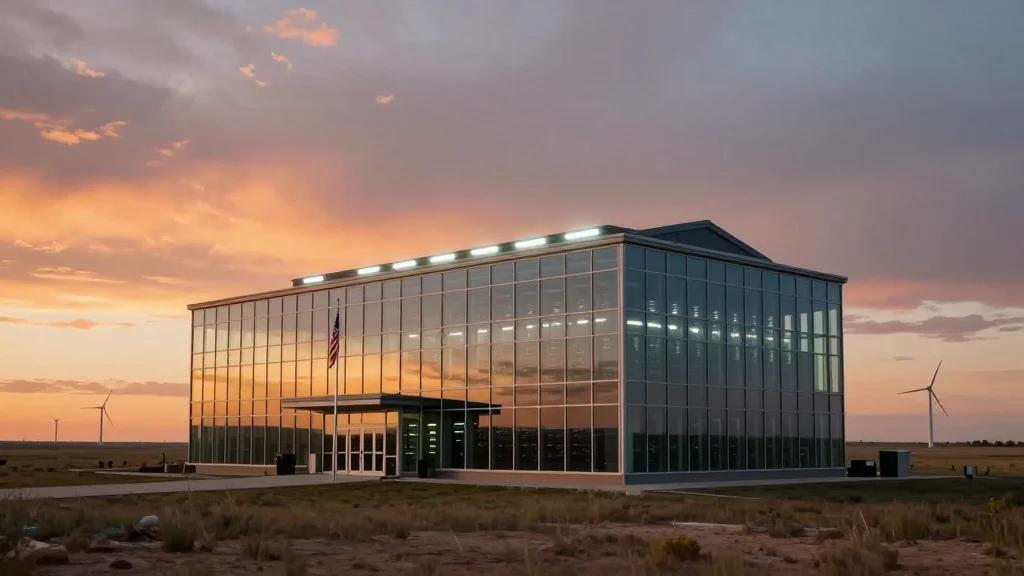
Texas Faces Data‑center Crunch as GOP Split over AI Hub Plans

Companies Mentioned
Why It Matters
The data‑center shortage in Texas highlights a broader national dilemma: how to balance the demand for high‑performance computing infrastructure with local environmental and community concerns. As federal agencies and state governments migrate more services to the cloud, capacity constraints could delay critical digital services, from health records to emergency response systems, affecting millions of residents. If Texas fails to resolve the capacity gap, the state risks losing its competitive edge in the AI economy, potentially ceding future tech jobs and tax revenue to other regions that can offer more predictable regulatory environments and sustainable power supplies. Conversely, a well‑managed rollout could cement Texas as a premier AI destination, attracting further private investment and reinforcing its political clout on the national stage.
Key Takeaways
- •82 data centers (≈60% of planned/under‑construction) are located in Trump‑leaning districts, per Texas Tribune analysis.
- •Governor Abbott announced a $40 billion Google investment for three new data centers in West Texas and the Panhandle.
- •A March Quinnipiac poll found 65% of Americans oppose AI data‑center construction in their community.
- •Rena Schroeder, a former GOP activist, publicly called for a data‑center ban, citing local opposition.
- •Sen. Ted Cruz is moving to block state AI regulation, while President Trump has removed federal red tape to speed expansion.
Pulse Analysis
Texas’ data‑center scramble is more than a regional infrastructure story; it is a microcosm of the United States’ race to secure AI leadership. The state’s aggressive courting of megaprojects, epitomized by the $40 billion Google deal, reflects a belief that physical proximity to massive compute clusters translates into economic and strategic advantage. Yet the rapid siting of facilities in water‑scarce, electricity‑intensive regions raises sustainability questions that could undermine long‑term viability.
Politically, the clash underscores a growing fissure within the GOP between establishment leaders who view AI infrastructure as a growth engine and a base that feels the environmental and fiscal costs first‑hand. The fact that 60% of the projects sit in districts that voted for Trump suggests that lawmakers may be incentivized to approve sites despite constituent pushback, creating a feedback loop that could erode trust ahead of the midterms.
From a market perspective, the shortage could spur a secondary wave of investment in ancillary services—renewable‑energy farms, advanced cooling technologies, and edge‑computing nodes—that aim to mitigate the strain on the grid. Companies that can bundle green power with data‑center capacity may gain a decisive edge, especially as federal policy increasingly ties AI funding to sustainability metrics.
Looking forward, Texas’ ability to reconcile its AI ambitions with local concerns will set a precedent for other states eyeing similar AI corridors. A balanced approach that leverages public‑private partnerships, transparent siting processes, and robust community engagement could turn the current tension into a blueprint for responsible AI infrastructure development nationwide.
Texas faces data‑center crunch as GOP split over AI hub plans
Comments
Want to join the conversation?
Loading comments...