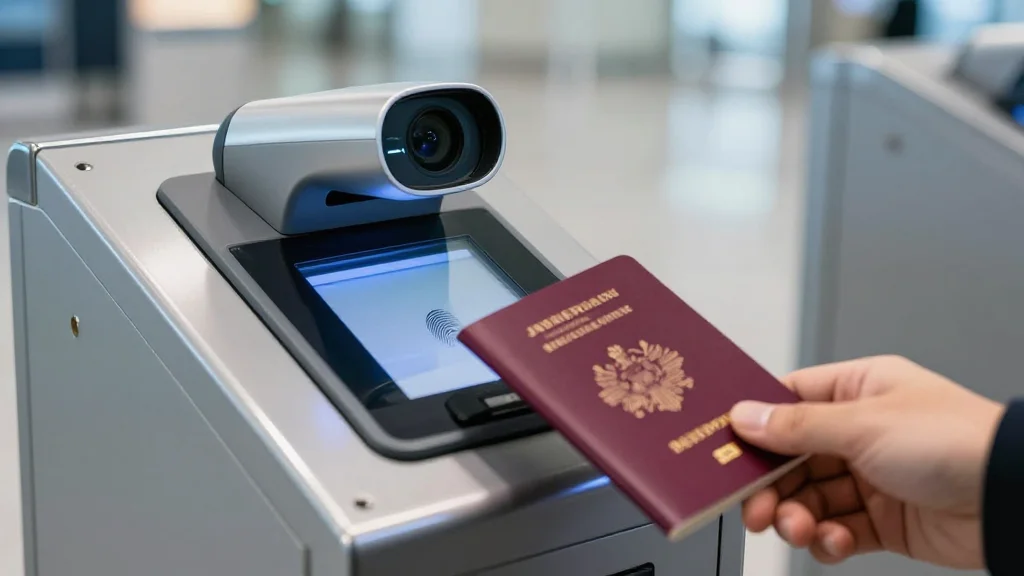
The Big Change Across the Schengen Area: EES Fully Operational
Why It Matters
EES creates a unified, data‑driven border framework that boosts security and streamlines cross‑border travel, directly affecting airlines, border officials, and millions of travelers.
Key Takeaways
- •EES now records all Schengen entries/exits digitally.
- •Passport stamps replaced by biometric data capture.
- •Interoperability with upcoming ETIAS enhances pre‑travel screening.
- •Airlines must verify third‑country nationals against EES data.
- •Real‑time monitoring aims to curb identity fraud at borders.
Pulse Analysis
The Entry/Exit System’s full activation marks a watershed moment for European border management. By digitising entry and exit records, the EU eliminates the century‑old practice of passport stamping, instead relying on biometric templates and fingerprint scans stored in a centralised database. This shift not only accelerates processing times at airports and land crossings but also creates a reliable audit trail that can be queried instantly by authorised authorities, strengthening the bloc’s ability to detect overstays and illegal migration patterns.
Airlines and travel operators now face a mandatory integration step: their reservation and check‑in systems must query the EES in real time to confirm the eligibility of third‑country nationals on short‑stay visas. While the technical rollout required resolving data‑exchange standards and contractor disputes, the end result is a smoother passenger experience and reduced manual checks for border guards. Security‑focused airlines can leverage the system’s analytics to flag high‑risk profiles before boarding, potentially lowering fraud‑related losses and improving compliance with EU migration policy.
Looking ahead, the EES forms the backbone for the upcoming European Travel Information and Authorisation System (ETIAS), slated for launch later this year. ETIAS will extend pre‑travel vetting to visa‑free travelers, feeding its authorisation decisions into the same data pool used by EES. This interoperability promises a seamless, intelligence‑led border ecosystem that can adapt to emerging threats while facilitating legitimate travel. For technology vendors, the combined EES‑ETIAS architecture opens a multi‑billion‑dollar market for biometric hardware, secure cloud services, and AI‑driven risk assessment tools across the continent.
The big change across the Schengen Area: EES fully operational
Comments
Want to join the conversation?
Loading comments...