The Chinese AI Police Tech Aimed at Physical, Psychological and Emotional States
Why It Matters
These technologies could reshape policing by reducing manpower needs and enabling real‑time health and risk assessments, but they also raise significant privacy and civil‑rights concerns domestically and abroad.
Key Takeaways
- •Tiandy camera reads vital signs of people in ten seconds, 90% accuracy
- •System flags abnormal vitals and protocol breaches instantly
- •Lianxin AI creates personality and risk profile from eight‑second glance
- •More than 30 police stations in China already use Lianxin’s tool
- •Indonesia showed interest in Chinese counter‑terrorism gear at expo
Pulse Analysis
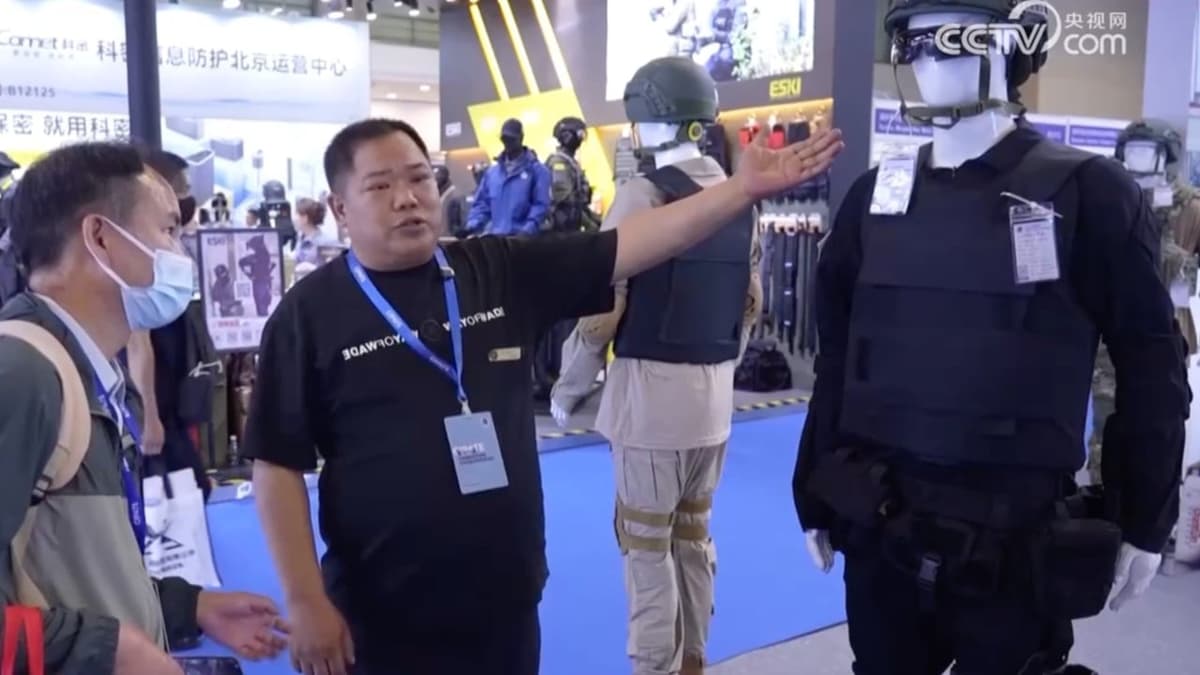
The Beijing International Police and Anti‑Terrorism Technology Expo highlighted a new wave of AI‑driven surveillance that China is fast‑tracking into everyday law‑enforcement. With frontline officer numbers under strain, municipal and national police agencies are turning to contactless devices that promise to automate health checks, behavioral analysis and threat detection. This mirrors a broader global shift where governments invest in biometric and predictive‑analytics platforms to boost operational efficiency. The showcase also attracted foreign attention, notably from Indonesia, suggesting that Chinese vendors are positioning themselves as exporters of next‑generation policing tools.
Tiandy’s flagship camera captures vital signs—heart rate, blood pressure and blood‑oxygen levels—of up to six individuals in a ten‑second scan, boasting more than 90 % accuracy in live tests. Deployed in interrogation waiting rooms, the system can alert officers to sudden medical emergencies and flag procedural violations such as unattended detainees. While the technology promises to safeguard both suspects and officers, it also introduces a layer of biometric monitoring that operates without consent, raising questions about data security, algorithmic bias and the potential for abuse in high‑pressure policing environments.
Beyond physiological metrics, firms like Lianxin Technology and Anhui Wuyu Security are commercialising AI models that infer personality traits, emotional stability and crime risk from brief facial interactions. Powered by an 80‑million‑sample large‑language model, the system is already installed in more than 30 Chinese police stations and is being trialled in border checkpoints and even kindergartens. The ability to generate risk scores in seconds could accelerate decision‑making, yet it blurs the line between predictive policing and pre‑emptive profiling. As these tools spread, regulators and civil‑society groups will grapple with balancing public‑security gains against fundamental privacy rights.
The Chinese AI police tech aimed at physical, psychological and emotional states
Comments
Want to join the conversation?
Loading comments...