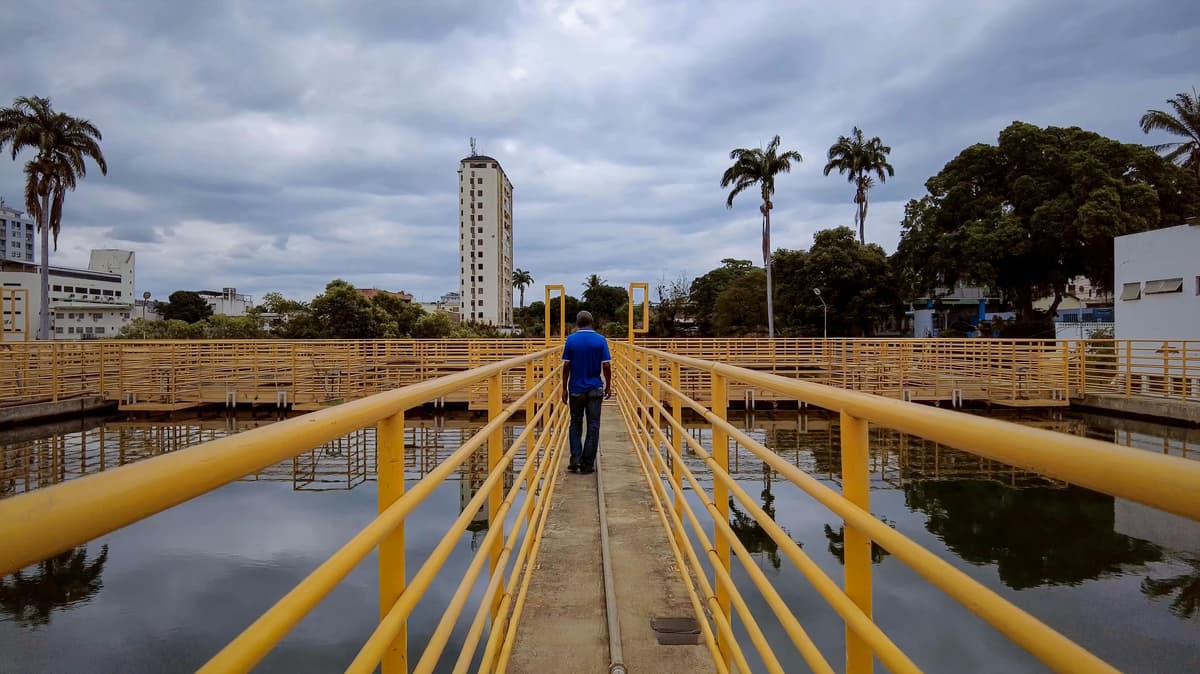
The Right Vantage Point: Choosing Where ML/AI Add Value in Water Infrastructure
Why It Matters
AI‑enabled forecasting gives utilities actionable insights that cut operational costs, improve resilience, and help meet tightening regulatory standards, positioning the sector for long‑term sustainability.
Key Takeaways
- •AI-driven influent‑flow forecasts reduce peak‑load surprises
- •Scalable ML models enable utilities to predict maintenance needs
- •Stantec’s partnership model accelerates technology adoption across North America
- •Data‑rich decision tools improve operational efficiency and regulatory compliance
- •Bottom‑up innovation fosters resilient, future‑proof water infrastructure
Pulse Analysis
Water utilities are confronting an unprecedented data deluge from sensors, SCADA systems, and climate‑driven variability. Traditional manual analysis can no longer keep pace, creating a gap between real‑time conditions and operational decisions. Machine learning offers a way to synthesize these streams into predictive insights, enabling utilities to anticipate demand spikes, detect anomalies, and allocate resources before crises emerge. This shift from reactive to proactive management is becoming a competitive differentiator as municipalities grapple with aging assets and stricter environmental mandates.
Stantec’s upcoming webinar spotlights how the firm translates academic research into field‑ready AI tools. A flagship example is an influent‑flow forecaster that leverages historical load patterns, weather forecasts, and real‑time sensor data to predict wastewater volumes with high accuracy. By packaging the model as a scalable service, Stantec helps utilities of varying sizes integrate the technology without extensive in‑house data science teams. The company’s collaborative approach—pairing engineers with AI specialists and utility operators—creates a feedback loop that refines algorithms while addressing practical constraints such as data quality and legacy system integration.
The broader industry impact is significant. Early adopters report reduced energy consumption, lower chemical usage, and fewer emergency repairs, translating into measurable cost savings and improved compliance with EPA discharge limits. As AI proves its ROI, regulatory bodies are likely to encourage—or even mandate—predictive analytics for critical infrastructure. Utilities that embed these capabilities now will enjoy enhanced resilience against climate extremes and a clearer path toward smart‑city integration, while laggards risk operational inefficiencies and heightened regulatory scrutiny.
The Right Vantage Point: Choosing Where ML/AI Add Value in Water Infrastructure
Comments
Want to join the conversation?
Loading comments...