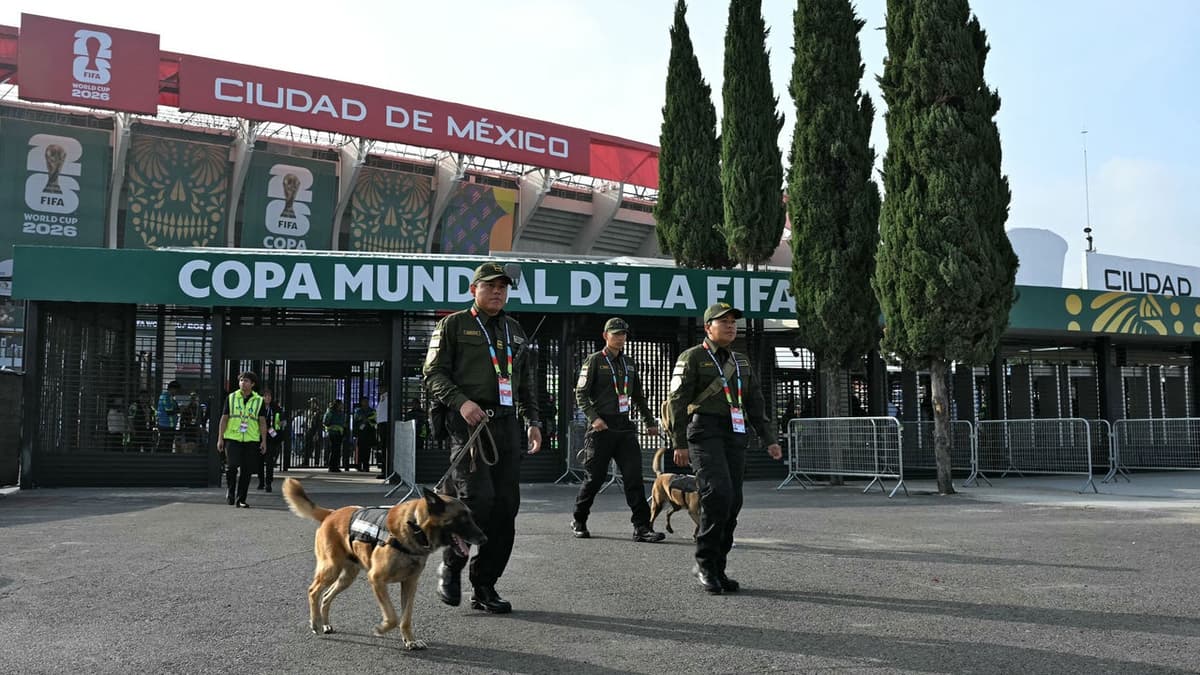
The World Cup Security Buildout Won’t End when the Games Do

Why It Matters
The investment creates a new baseline for large‑event security and could reshape U.S. drone‑countermeasure policy, influencing future sports, concerts, and critical‑infrastructure protection.
Key Takeaways
- •Drone incursions at NFL stadiums rose 42× from 2018 to 2023
- •U.S. allocated over $1 billion for World Cup security, including $500 million for drones
- •FEMA’s Counter‑UAS program awarded $250 million to host states for drone mitigation
- •D‑Fend’s EnforceAir uses cyber takeover to neutralize rogue drones safely
- •Future use of UAS security assets after the tournament remains uncertain
Pulse Analysis
The rapid rise of unauthorized drones at major venues has forced event organizers to confront a threat that traditional security tools struggle to contain. NFL incidents in 2023 and 2024 highlighted the legal vacuum that left stadiums vulnerable, as jamming or kinetic interception could endanger tens of thousands of fans. This pressure has accelerated the adoption of sophisticated counter‑UAS solutions that can identify, seize, and safely redirect rogue aircraft without disrupting essential communications.
In preparation for the 2026 FIFA World Cup, the U.S. government is committing unprecedented resources to safeguard the tournament. FEMA’s $625 million general security program and a $500 million Counter‑UAS grant—half of which has already been distributed—signal a strategic shift toward proactive drone mitigation. The Department of Homeland Security’s new Program Executive Office for Unmanned Aircraft Systems and the White House task force underscore the political will to protect high‑profile events. Companies like D‑Fend Solutions are at the forefront, offering EnforceAir’s software‑driven takeover approach that neutralizes threats while preserving crowd safety and operational continuity.
Beyond the World Cup, the legacy of this security build‑out raises critical policy and commercial questions. Will the $1 billion investment be repurposed for future sports championships, concerts, or critical‑infrastructure protection? Legislators may need to codify permanent counter‑UAS funding streams, while private firms could see a surge in demand for scalable, low‑risk drone‑defense platforms. The outcome will shape the U.S. posture on emerging aerial threats, potentially establishing a lasting framework that extends well beyond July’s final whistle.
The World Cup security buildout won’t end when the games do
Comments
Want to join the conversation?
Loading comments...