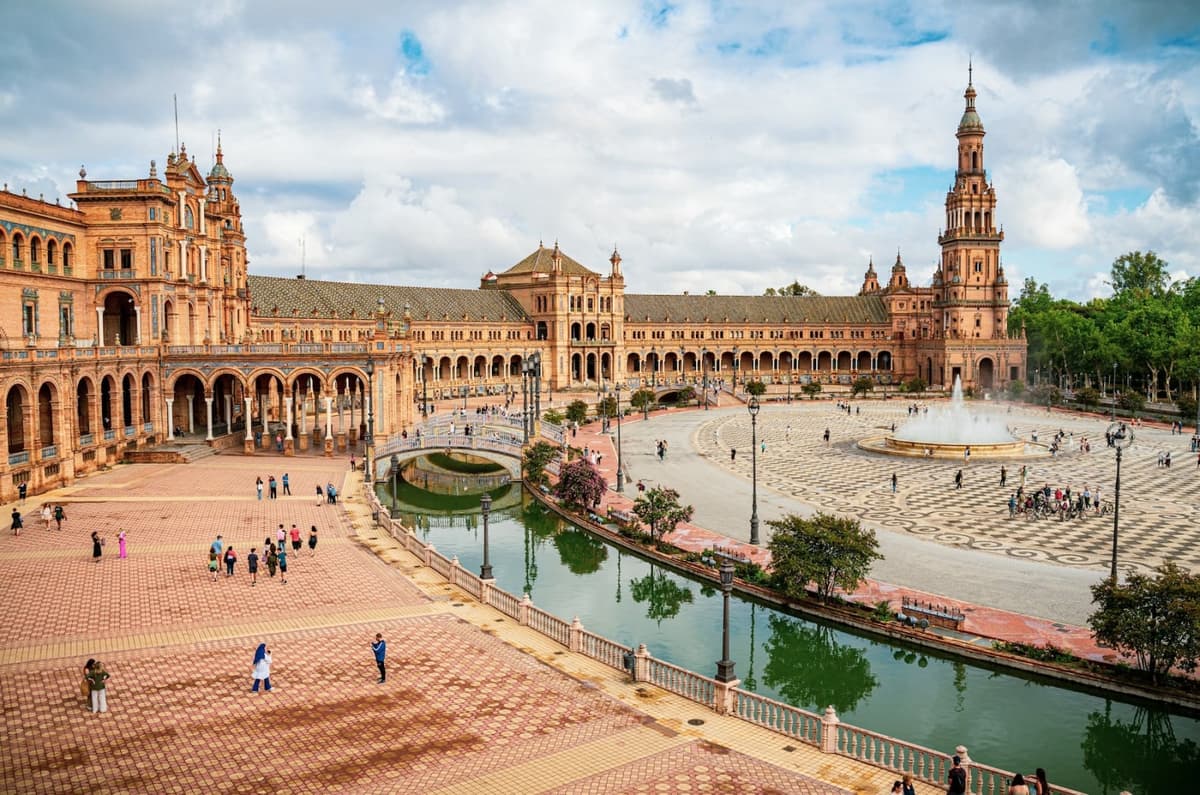
This Spanish City Is Resurrecting a 3,000-Year-Old Solution To Fight Extreme Heat
•February 20, 2026
0
Why It Matters
The initiative offers a climate‑friendly alternative to energy‑intensive air‑conditioning, addressing escalating urban heat‑wave risks while preserving public life in hot cities. Its replicable design could reshape how municipalities combat heat without adding greenhouse‑gas emissions.
Key Takeaways
- •Ancient qanat tech revived for modern urban cooling
- •System reduces indoor temps up to 12 °C
- •Solar panels generate more energy than pumps consume
- •Project cost €5 million, 80% EU funded
- •Scalable prototype attracting delegations worldwide
Pulse Analysis
Seville’s CartujaQanat pilot demonstrates how heritage engineering can be retrofitted with contemporary renewable technology to tackle the urban heat‑island effect. By leveraging the natural cool of subterranean water and solar‑powered pumps, the system delivers chilled air and mist without relying on conventional air‑conditioning. This approach aligns with EU climate goals, offering a zero‑carbon, low‑maintenance solution that can be deployed in dense city cores where space and energy are at a premium.
The project’s performance metrics underscore its viability: indoor environments experience temperature reductions of up to 12 °C, while rooftop solar arrays produce roughly 55,000 kWh annually—exceeding the 42,000 kWh needed for pump operation. Such energy surplus not only validates the system’s self‑sufficiency but also highlights the economic advantage of using renewable inputs over fossil‑fuel‑based cooling. With a €5 million budget, 80 % of which was sourced from the EU’s Urban Innovative Actions program, the model showcases a cost‑effective pathway for municipalities seeking climate‑resilient infrastructure without hefty capital outlays.
Beyond technical success, CartujaQanat carries social and urban‑planning implications. By creating comfortable, free‑access public spaces, the initiative encourages outdoor activity and community interaction even during extreme heat events, counteracting the tendency for residents to retreat indoors. Its adaptability has already attracted delegations from California, Germany and Dubai, signaling a growing appetite for low‑energy cooling strategies worldwide. While the technology may be less effective in humid climates, its scalability in arid and semi‑arid regions positions it as a pivotal tool in the global effort to mitigate heat‑related health risks and sustain livable cities.
This Spanish City Is Resurrecting a 3,000-Year-Old Solution To Fight Extreme Heat
0
Comments
Want to join the conversation?
Loading comments...