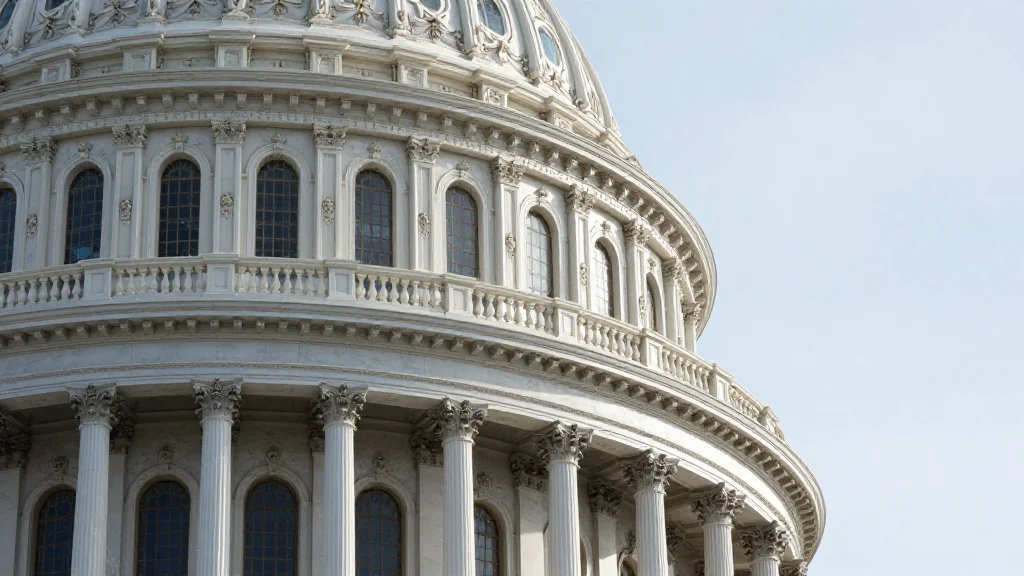
Trump's Executive Order Shifts 8,000 Federal Tech Officials to At‑Will Status

Why It Matters
The order directly targets the backbone of the federal government's technology apparatus. By converting senior IT and data officials to at‑will status, the administration gains unprecedented flexibility to install loyalists, but at the cost of eroding expertise and continuity in critical cyber‑security and AI initiatives. This could impair the government's ability to defend against sophisticated cyber threats, delay modernization projects, and undermine public trust in the impartiality of federal agencies. Beyond immediate operational risks, the move sets a precedent for politicizing technical expertise across the public sector. If successful, it may encourage future administrations to reshape the civil‑service workforce to align with partisan goals, reshaping the long‑standing merit‑based culture that underpins the U.S. government's capacity to deliver stable, nonpartisan services.
Key Takeaways
- •Executive order reclassifies ~8,000 senior federal employees, many in IT and AI, to at‑will status.
- •Positions affected include CIOs, CISO, CTOs, and senior data‑governance staff, most at GS‑15 level.
- •OPM Director Scott Kupor said the roles must be filled by people "willing to and capable of carrying out" the administration’s directives.
- •Bill Kristol quoted Trump saying, "I don't care about the midterms," highlighting political motivations.
- •Legal challenges and congressional hearings are expected as agencies scramble to implement the order.
Pulse Analysis
Trump’s at‑will order is a strategic gamble that trades bureaucratic stability for political agility. Historically, the civil‑service system has insulated technical expertise from electoral cycles, allowing long‑term projects—like cloud migration and AI integration—to mature beyond a single administration’s tenure. By dismantling those safeguards, the president can install loyalists quickly, but the cost is a potential brain drain and operational disruption at a time when the federal government faces escalating cyber threats from nation‑state actors.
From a market perspective, the uncertainty may accelerate private‑sector partnerships as agencies seek external contractors to fill gaps left by departing technologists. Companies that provide managed security services, cloud platforms, and AI tools could see a surge in demand, but they also risk becoming entangled in politically driven procurement processes. The order could also influence the talent pipeline: top graduates may shy away from federal careers if job security appears tenuous, pushing talent toward the private sector and widening the expertise gap.
Looking ahead, the durability of the order hinges on judicial review and legislative response. If courts block the reclassification, the administration may resort to alternative mechanisms—such as targeted appointments or executive waivers—to achieve similar control. Conversely, if the order survives, it could redefine the balance of power between elected officials and the career bureaucracy, reshaping how the United States manages its most critical technology infrastructure for the next decade.
Trump's Executive Order Shifts 8,000 Federal Tech Officials to At‑Will Status
Comments
Want to join the conversation?
Loading comments...