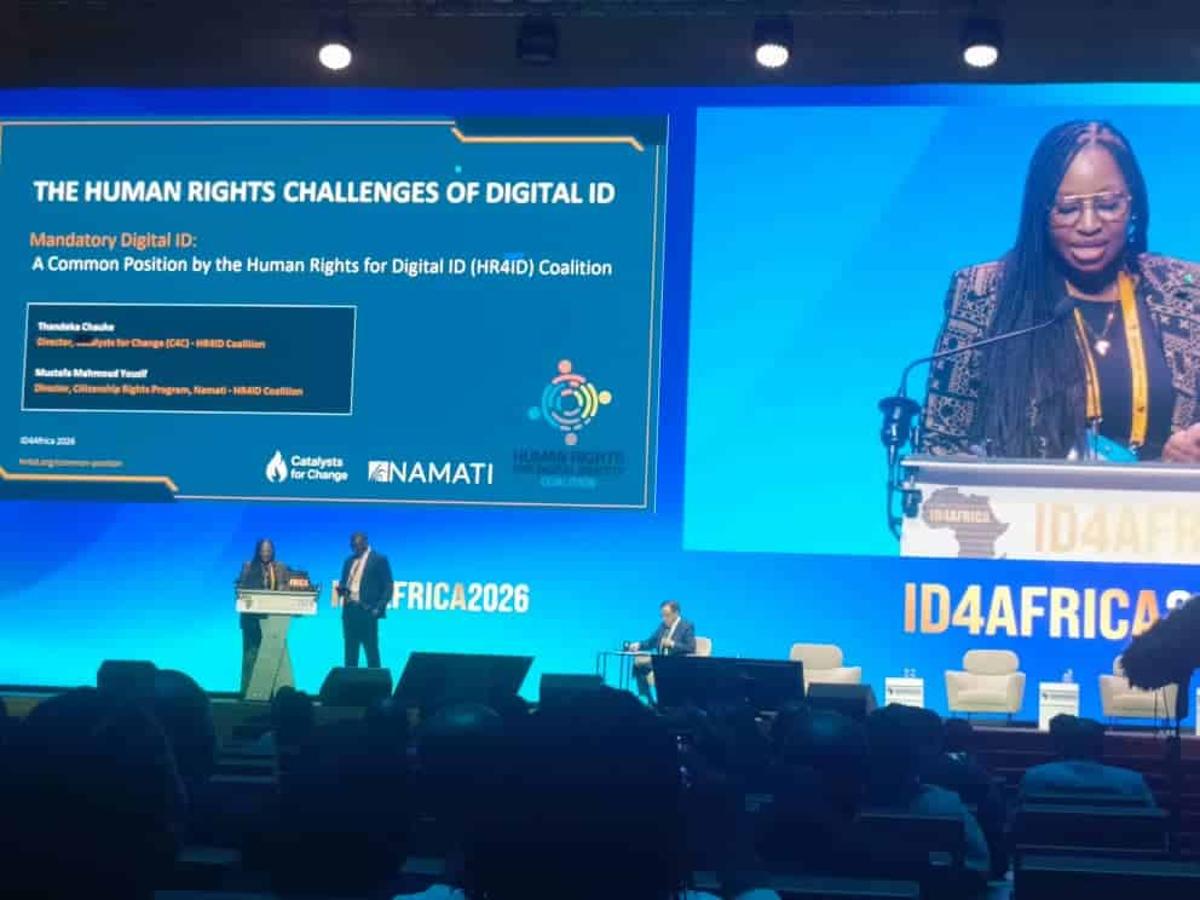
Trust Inevitable in Building Human Rights-Sensitive Digital ID Systems
Why It Matters
Without trust‑centric design, digital ID can become a barrier to essential services, amplifying human‑rights violations and undermining social inclusion across Africa.
Key Takeaways
- •Trust built through transparency and legal safeguards is essential
- •Mandatory digital ID can exclude stateless, undocumented, and remote populations
- •Biometrics increase risk of surveillance, discrimination, and function creep
- •Governments should link ID to civil registration, not compel enrollment
- •Guarantee mechanisms needed to include those left out of digital systems
Pulse Analysis
The debate over digital identity in Africa is shifting from pure technological ambition to a rights‑based framework. Advocates at ID4Africa emphasized that trust cannot be mandated; it must be earned through open dialogue, clear purpose statements, and enforceable legal protections. When citizens understand why biometric data—fingerprints, iris scans, facial recognition—are collected, and see safeguards against misuse, they are more likely to engage voluntarily, reducing the risk of function creep that can turn identity platforms into surveillance tools.
Compulsory digital ID schemes threaten the most vulnerable groups, including refugees, stateless persons, and residents of remote regions lacking birth registration. Requiring a digital credential to access healthcare or education can effectively deny the right to health and even life, as highlighted by Mustafa Mahmoud. Policymakers therefore need to decouple service delivery from mandatory enrollment, opting instead for inclusive mechanisms that allow alternative forms of identification and provide pathways for those historically left out of civil registration systems.
Integrating civil registration with national identity databases emerges as a pragmatic solution. By strengthening birth‑registration infrastructure, governments lay a foundation for universal, voluntary digital ID that respects proportionality and necessity. Guarantee mechanisms—such as opt‑out provisions, data‑minimization standards, and independent oversight—can further protect against discrimination. As African nations scale digital ID initiatives, aligning technology with human‑rights principles will be essential to avoid creating new barriers and to foster genuine social and economic inclusion.
Trust inevitable in building human rights-sensitive digital ID systems
Comments
Want to join the conversation?
Loading comments...