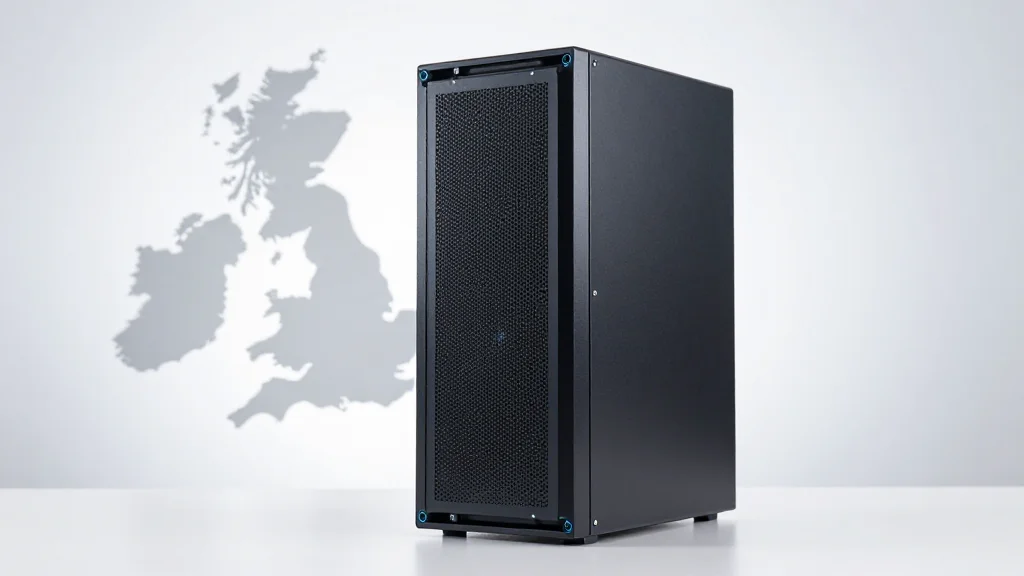
UK Commits $1.47 Billion to Build National AI Supercomputer, Cutting US Hardware Dependence

Companies Mentioned
Why It Matters
The supercomputer investment is a concrete step toward reducing the United Kingdom’s strategic vulnerability to foreign AI hardware suppliers. By creating a domestic compute backbone, the government aims to protect critical public‑sector AI applications—from health diagnostics to defense analytics—from potential supply‑chain disruptions or geopolitical pressure. Moreover, the procurement focus on UK startups could catalyse a nascent semiconductor ecosystem, generating high‑skill jobs and fostering innovation clusters that compete globally. If successful, the programme could also reshape the broader European approach to AI infrastructure, encouraging other nations to adopt similar sovereign‑tech strategies. Conversely, delays or cost overruns could undermine confidence in government‑backed tech projects and leave the UK dependent on external chip manufacturers, eroding the very resilience the plan seeks to build.
Key Takeaways
- •UK government allocates $1.47 billion to build a national AI supercomputer, with $530 million earmarked for specialist hardware.
- •£200 million (≈$200 million) set aside for custom inference chips, targeting UK startups Olix and Fractile.
- •Supercomputer expected to be operational for researchers and startups by 2030.
- •Tech secretary Liz Kendall cites AI sovereignty as a way to reduce over‑dependence on US hardware.
- •Industry leaders see the procurement pipeline as a catalyst for scaling UK chip makers.
Pulse Analysis
The UK’s AI supercomputer pledge reflects a broader trend of governments treating AI infrastructure as a matter of national security. Historically, sovereign‑tech initiatives have struggled when they lack a clear commercial market or when domestic supply chains cannot meet the scale of demand. By coupling the supercomputer with a dedicated venture fund (SovAI) and AI growth zones, Britain is attempting to create a virtuous cycle: government contracts seed private‑sector growth, which in turn supplies the hardware needed for public‑sector AI workloads.
From a competitive standpoint, the UK is playing a high‑stakes game against entrenched US chip giants like Nvidia and AMD, as well as Asian manufacturers such as Samsung and TSMC. The decision to focus on inference chips—rather than the more capital‑intensive training accelerators—suggests a pragmatic approach: inference workloads are more predictable, can be serviced by a broader range of specialized ASICs, and align with the government’s immediate need to run AI models at scale for public services. If Olix and Fractile can deliver on performance and cost, they could carve out a niche that insulates the UK from price‑setting power of the larger players.
Looking ahead, the success of the supercomputer will hinge on three factors: the speed at which procurement contracts are awarded, the ability of UK chip startups to scale production without compromising quality, and the establishment of a transparent, merit‑based allocation system for compute credits. Failure in any of these areas could turn the project into a costly showcase rather than a functional asset. Conversely, a smooth rollout could position the UK as a model for other nations seeking tech sovereignty, potentially spawning a new wave of regional AI hubs anchored by government‑funded compute resources.
UK Commits $1.47 Billion to Build National AI Supercomputer, Cutting US Hardware Dependence
Comments
Want to join the conversation?
Loading comments...