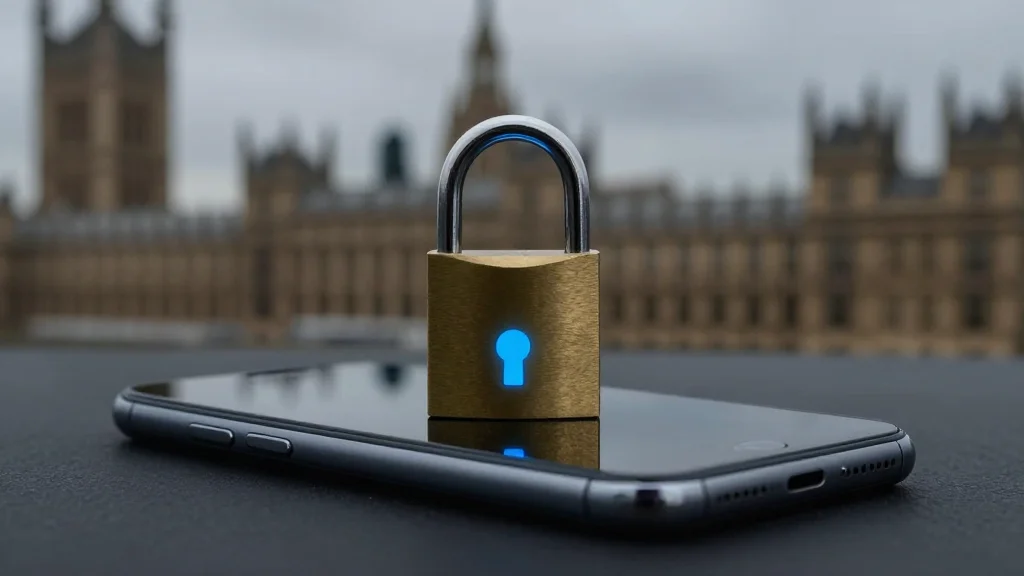
UK Government Moves Toward Nationwide Under‑16 Social Media Ban Amid Public‑Health Concerns


Why It Matters
The proposed ban sits at the intersection of public‑health policy, digital rights, and the burgeoning GovTech market. A nationwide restriction would compel the development of sophisticated age‑verification infrastructure, creating a new revenue stream for UK tech firms while also testing the limits of state‑mandated digital control. Moreover, the policy could reshape how governments globally approach platform regulation, potentially prompting a cascade of similar measures in other jurisdictions. Beyond the immediate technical challenges, the debate highlights a deeper societal tension: balancing child safety with freedom of expression. How the UK resolves this will set a precedent for future GovTech initiatives that aim to mediate between public‑health imperatives and civil liberties.
Key Takeaways
- •UK government drafts a ban on social‑media use for under‑16s, citing health‑risk report
- •Labour’s Wes Streeting likens big‑tech to tobacco, calling for a hard‑line ban
- •Technology Secretary Liz Kendall promises swift action, but no implementation date yet
- •Conservatives and digital‑rights groups warn of enforcement challenges and censorship risks
- •Potential rollout of age‑verification APIs and new enforcement body could boost GovTech sector
Pulse Analysis
The UK’s social‑media ban proposal is less a standalone health measure than a catalyst for a broader GovTech overhaul. By mandating age‑verification at scale, the government is effectively creating a market for biometric and identity‑verification startups, many of which have been lobbying for clearer regulatory frameworks. If the ban proceeds, we can expect a surge in public‑private partnerships to build the required infrastructure, similar to the rapid rollout of NHS digital services during the pandemic.
Historically, attempts to regulate digital platforms have stumbled over enforcement and jurisdictional issues. The UK’s advantage lies in its centralized data‑governance model and existing digital‑identity initiatives like GOV.UK Verify. Leveraging these assets could make the ban technically feasible, but political resistance may force a compromise toward graduated restrictions—function limitations, algorithmic throttling, or mandatory screen‑time dashboards—rather than an outright prohibition.
Looking ahead, the policy could trigger a regulatory domino effect across Europe, where the EU’s Digital Services Act already pressures platforms to protect minors. A successful UK implementation would provide a template for harmonised standards, potentially accelerating cross‑border GovTech collaborations. Conversely, a botched rollout could embolden opposition parties and civil‑rights groups, stalling future digital‑policy ambitions and prompting a re‑evaluation of top‑down tech interventions.
UK Government Moves Toward Nationwide Under‑16 Social Media Ban Amid Public‑Health Concerns
Comments
Want to join the conversation?
Loading comments...