UK Home Office Teams with Entrust to Launch Digital ETA System

Companies Mentioned
Why It Matters
The digital ETA represents the UK’s most ambitious attempt to shift border security from physical checkpoints to pre‑travel digital verification. By leveraging biometric data and automated decisioning, the Home Office can detect fraudulent travel documents earlier, reducing the risk of illegal entry and easing pressure on frontline staff. For travellers, the streamlined process cuts waiting times and eliminates the need for paper visas, making the UK a more attractive destination for business and tourism. Beyond immediate security gains, the partnership signals a broader trend of governments outsourcing critical identity infrastructure to specialised private firms. Entrust’s involvement could set a precedent for future public‑private collaborations in areas such as digital driver’s licences, health‑record verification, and cross‑border data sharing, reshaping how sovereign states manage citizen and visitor identities in the digital age.
Key Takeaways
- •UK Home Office partners with Entrust to launch a biometric Electronic Travel Authorisation (ETA).
- •ETA costs £20 (≈$25), is valid for two years, and allows multiple entries.
- •Application decisions are typically issued within three working days.
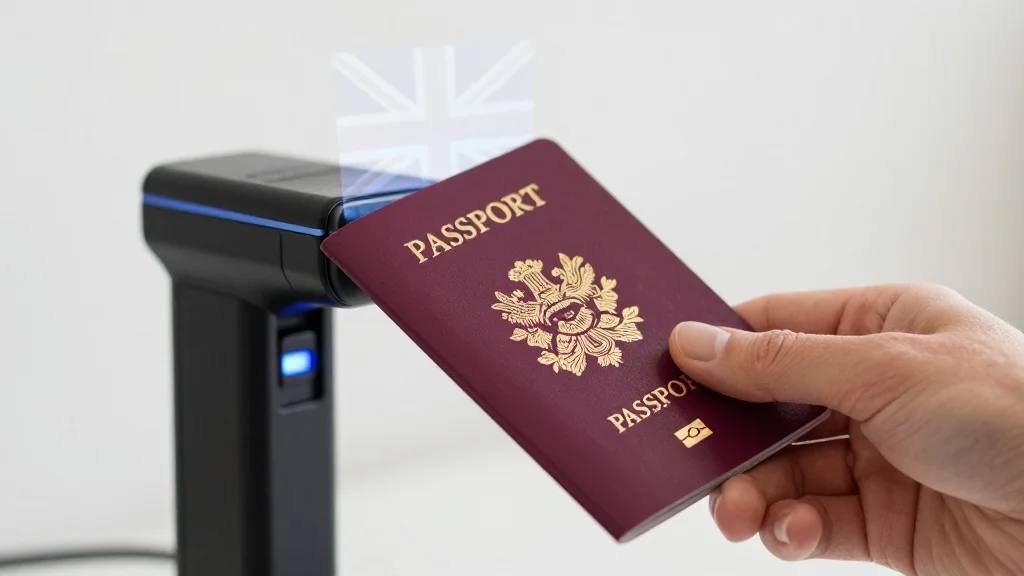
- •The system uses passport chip scans and live facial biometrics, integrated with Home Office databases.
- •Rollout aligns with the Home Office’s 2030 digital strategy and aims to process millions of short‑stay visitors.
Pulse Analysis
The Entrust‑Home Office partnership is a textbook case of government leveraging commercial expertise to accelerate digital transformation. Historically, border agencies have been slow to adopt cutting‑edge identity tech due to legacy systems and procurement hurdles. By opting for a managed‑service model, the Home Office sidesteps many of those constraints, gaining immediate access to a platform that can scale with demand. This approach mirrors similar moves in Canada and Australia, where governments have partnered with private firms to deliver e‑visa solutions that cut processing times by up to 70%.
From a market perspective, Entrust’s entry into the UK’s high‑stakes border security arena could open doors to other European contracts, especially as the EU pushes for a unified digital travel authorisation framework post‑Brexit. Competitors such as IDEMIA and Gemalto will likely intensify their lobbying for comparable deals, sparking a competitive race to embed AI‑driven biometric verification into national immigration systems. The success of the ETA will be measured not just by adoption rates but by its ability to thwart sophisticated identity fraud, a growing threat as deep‑fake and synthetic‑identity attacks become more prevalent.
Looking ahead, the real test will be how the platform integrates with emerging data‑sharing initiatives like the European Travel Information and Authorisation System (ETIAS) and the UK’s own GIDV programme. If the Home Office can demonstrate measurable security improvements while maintaining a frictionless traveller experience, the digital ETA could become the template for future government‑run identity services, from digital driver licences to health‑record verification, cementing a new era of public‑private identity ecosystems.
UK Home Office Teams with Entrust to Launch Digital ETA System
Comments
Want to join the conversation?
Loading comments...