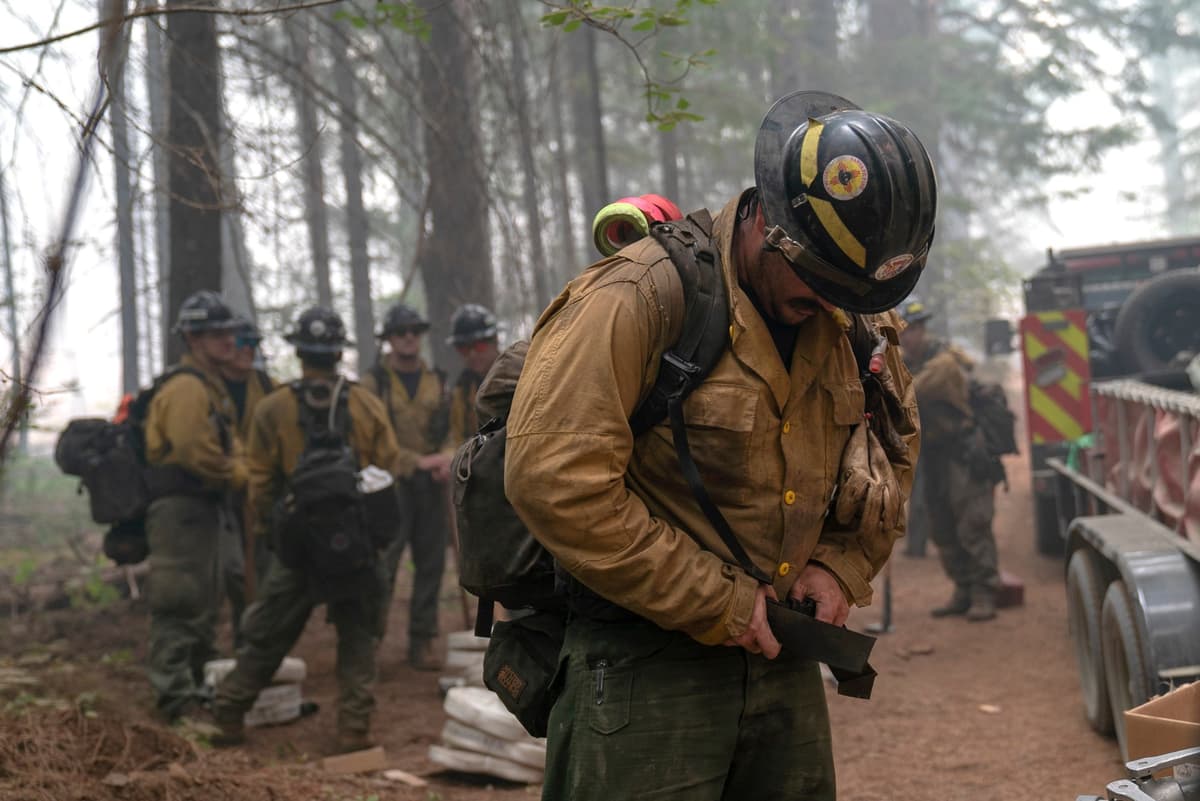
U.S. Forest Service Stops Issuing Firefighter Pants That Contain PFAS, Following ProPublica’s Reporting
•February 23, 2026
0
Why It Matters
Eliminating PFAS from firefighter apparel reduces potential long‑term health hazards and signals a shift toward stricter occupational safety standards in federal land‑management agencies.
Key Takeaways
- •Forest Service halted PFAS‑treated firefighter pants distribution.
- •Supplier TenCate offered PFAS‑free finish in early 2023.
- •NFPA standards for wildland gear still lack PFAS limits.
- •Health research on PFAS exposure in wildland firefighters remains limited.
Pulse Analysis
The revelation that the Forest Service equipped crews with PFAS‑laden pants underscores a broader challenge in protective‑gear chemistry. "Forever chemicals" like per‑ and polyfluoroalkyl substances have been prized for their fuel‑ and water‑repellent properties, yet mounting scientific evidence links them to cancer, immune disruption, and hormonal effects. ProPublica’s investigation highlighted that agency officials were aware of the chemical finishes yet failed to alert frontline personnel, raising questions about transparency and risk management in federal procurement.
In response, the Forest Service placed an immediate hold on the distribution of the contaminated trousers and mandated a transition to PFAS‑free fabric treatments. TenCate, the primary supplier, confirmed that a non‑PFAS finish became available in early 2023, prompting the agency to update its procurement specifications. While municipal fire departments have already adopted stricter NFPA standards limiting PFAS, the wildland firefighting standard remains in flux. Industry observers expect the National Fire Protection Association to soon address the gap, reflecting a growing consensus that PFAS restrictions are inevitable for all fire‑service apparel.
The policy shift carries ripple effects across the protective‑gear market and ongoing litigation. Firefighters nationwide have filed class‑action suits alleging health harms from PFAS exposure, and the Forest Service’s corrective action may influence settlement dynamics. Moreover, the episode highlights a research deficit: unlike municipal crews, wildland firefighters lack comprehensive exposure data, hampering risk assessments. As agencies prioritize occupational health, future investigations will likely focus on longitudinal studies of PFAS bioaccumulation, driving further regulatory refinements and encouraging manufacturers to innovate safer, high‑performance alternatives.
U.S. Forest Service Stops Issuing Firefighter Pants That Contain PFAS, Following ProPublica’s Reporting
0
Comments
Want to join the conversation?
Loading comments...