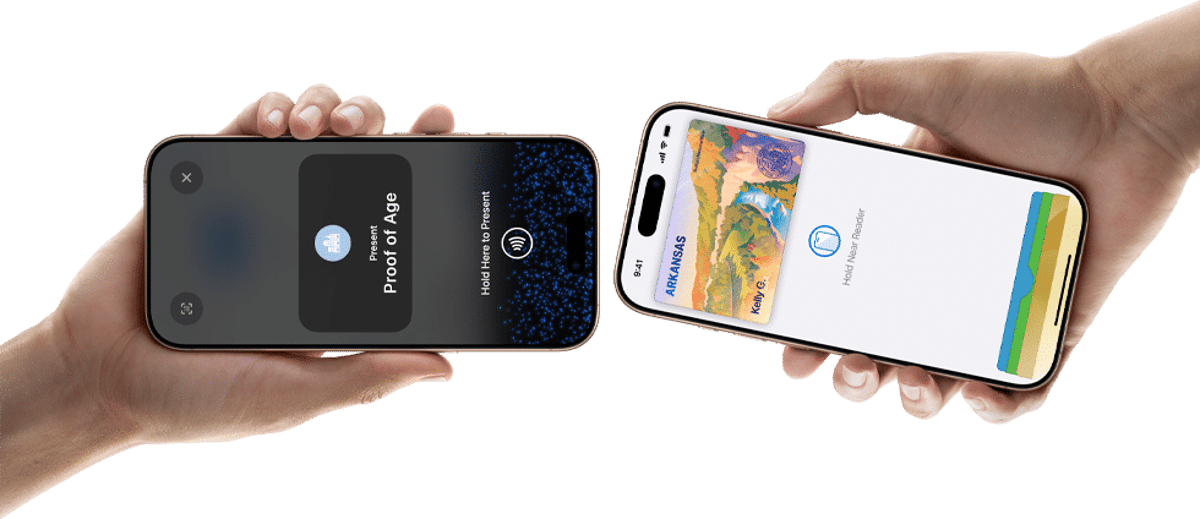
US States Deepen Mobile ID Rollouts as Focus Shifts to Verification and Privacy
Companies Mentioned
Why It Matters
The shift accelerates nationwide digital ID adoption, offering faster, more secure verification for travel and commerce while raising critical privacy and interoperability challenges for states and businesses.
Key Takeaways
- •Arkansas now offers driver’s licenses in Apple Wallet via Idemia.
- •Illinois uses ISO/IEC 18013-5 cryptographic verification, limiting data sharing.
- •Arizona’s wallet adds vehicle registration and title documents.
- •States prioritize privacy‑preserving verification over simple wallet availability.
Pulse Analysis
The rollout of mobile driver’s licenses is entering a new phase as states transition from isolated pilot apps to integrated digital identity ecosystems. Arkansas’ recent launch in Apple Wallet, powered by Idemia, marks a milestone because it brings state‑issued credentials into the native iOS environment, allowing users to present a verified ID at TSA checkpoints, participating merchants, and online services. This move follows the state’s earlier adoption of Google and Samsung wallets, illustrating a broader strategy to meet consumers where they already store payment cards and tickets.
Technical standards are now the linchpin of the conversation. Illinois’ implementation follows the ISO/IEC 18013-5 specification, which relies on cryptographic signatures and selective disclosure rather than transmitting a static image. The approach ensures that only the data required for a transaction is shared, and the credential remains encrypted on the device. The American Association of Motor Vehicle Administrators’ Digital Trust Service further supports this model by providing a secure repository of issuer public keys, enabling verifiers to confirm authenticity without querying a centralized database. Such privacy‑preserving architectures address growing concerns about government or corporate tracking of identity usage.
For businesses, the expanding acceptance of mobile IDs opens new avenues for frictionless onboarding, age verification, and compliance checks, but it also demands readiness to handle cryptographic verification flows. Interoperability remains a hurdle; differing wallet architectures and state‑specific policies could fragment the market. However, as more states adopt ISO‑compliant solutions and expand credential types—like Arizona’s inclusion of vehicle titles—the ecosystem is poised for greater cohesion. The next wave of adoption will likely hinge on the ability of regulators and technology providers to balance convenience with robust privacy safeguards, shaping the future of digital identity in the U.S.
US states deepen mobile ID rollouts as focus shifts to verification and privacy
Comments
Want to join the conversation?
Loading comments...