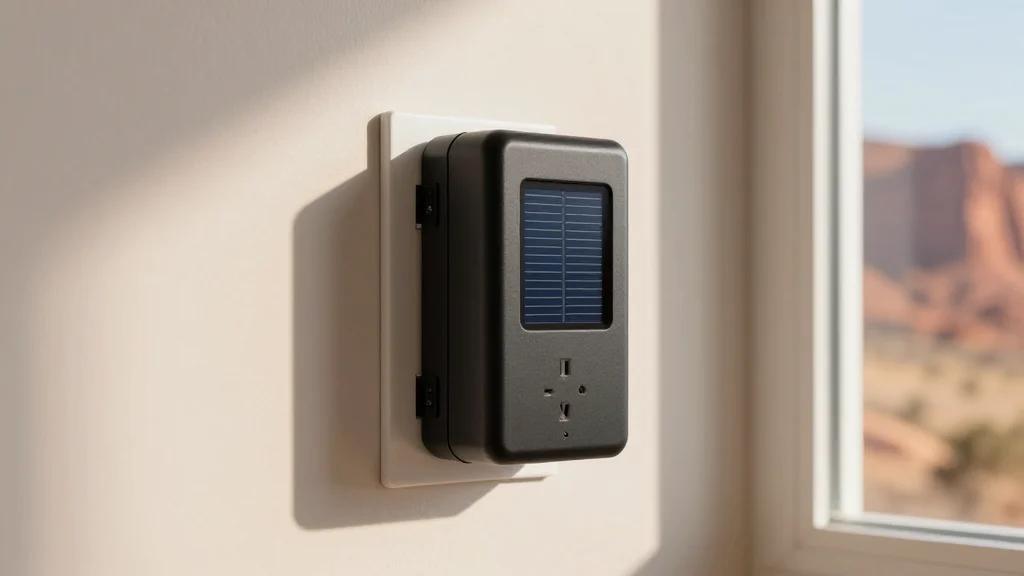
Utah Leads GovTech Shift with First Plug‑In Solar Micro‑Inverter Law

Why It Matters
The Utah law tackles two persistent barriers to residential solar: upfront installation costs and landlord resistance. By legitimizing a plug‑in solution, the state creates a pathway for renters and apartment owners to participate in clean‑energy generation, broadening the customer base beyond homeowners. This could accelerate progress toward state renewable‑energy targets and reduce peak‑load strain on the grid, a critical factor as electricity demand rises from electric vehicles and data centers. If other jurisdictions adopt similar policies, the cumulative effect could be a nationwide shift toward more distributed, resilient power sources. The legislation also raises questions about how utilities will integrate a growing number of small, intermittent generators while preserving reliability and fair cost allocation among all ratepayers.
Key Takeaways
- •Utah becomes the first U.S. state to legalize plug‑in solar micro‑inverter kits for residential use.
- •Typical kit price is about $2,400, with a payback period measured in years.
- •Micro‑inverters convert DC to AC, allowing direct connection to a home outlet without permanent wiring.
- •Law prevents landlords from blocking tenant installations, opening the market to renters and apartments.
- •Projected base‑load coverage is 200‑400 watts (4.8‑9.6 kWh per day), easing daytime grid demand.
Pulse Analysis
Utah’s plug‑in solar law represents a pragmatic GovTech intervention that sidesteps the high capital costs and permitting delays that have slowed residential solar adoption nationwide. By framing the technology as a consumer‑grade product—akin to a home appliance—the state leverages existing electrical standards to ensure safety while expanding the renewable portfolio. This regulatory shortcut could serve as a template for other states grappling with similar adoption bottlenecks.
The broader energy market is at a crossroads where intermittent renewables, such as wind and utility‑scale solar, are straining grid operators during peak demand. Distributed, always‑on resources like geothermal and nuclear have limited geographic flexibility, leaving a gap that low‑output, high‑penetration solutions like plug‑in solar can fill. While each unit contributes modest kilowatt‑hours, the aggregate effect across thousands of homes could shave off a noticeable slice of peak load, reducing the need for expensive peaker plants.
Future policy debates will likely focus on standardizing micro‑inverter performance, establishing clear interconnection rules, and ensuring that cost recovery mechanisms for utilities remain equitable. If Utah’s experiment demonstrates measurable grid benefits and consumer savings, we may see a cascade of similar statutes, turning what is now a niche DIY market into a mainstream component of the United States’ clean‑energy strategy.
Utah Leads GovTech Shift with First Plug‑In Solar Micro‑Inverter Law
Comments
Want to join the conversation?
Loading comments...