Why It Matters
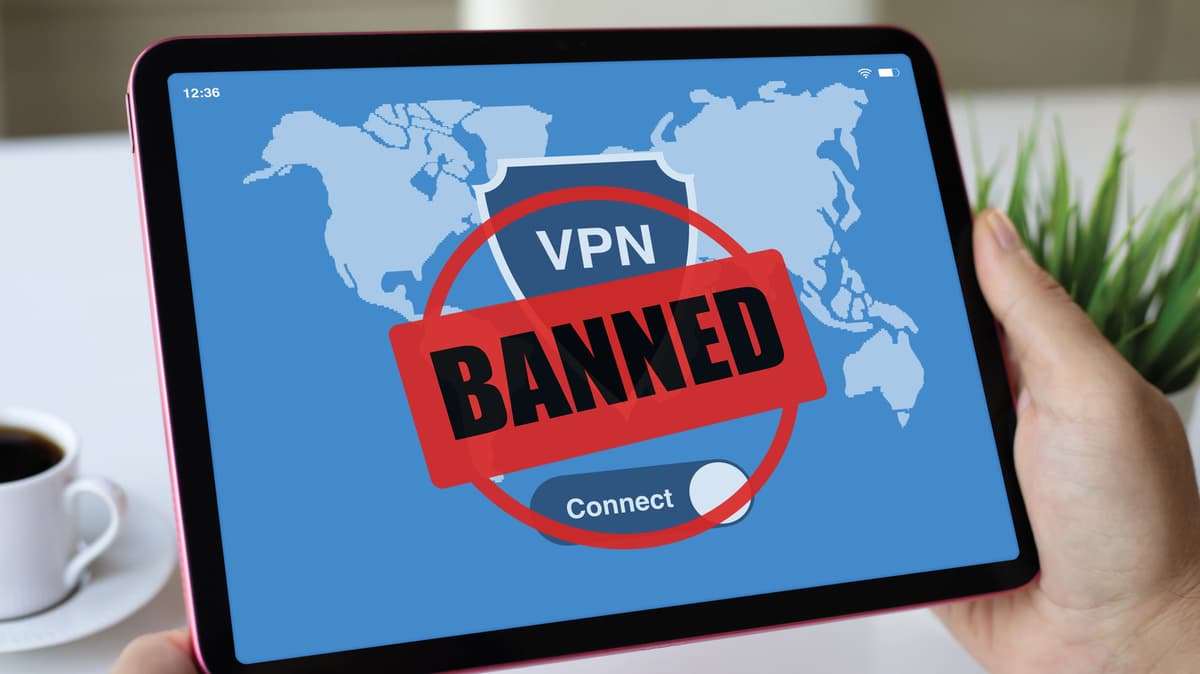
The legislation could set a precedent for state‑level internet restrictions, threatening online privacy and free speech while burdening businesses with costly compliance measures.
Key Takeaways
- •Utah law penalizes sites that enable VPN access for Utah users.
- •Enforcement impossible because sites cannot detect VPN users' true location.
- •Amendment may breach First Amendment by banning VPN usage instructions.
- •Companies may adopt universal age checks, risking user privacy worldwide.
Pulse Analysis
Across the United States, states are tightening age‑verification rules for adult content, prompting users to turn to virtual private networks (VPNs) to bypass geographic blocks. VPNs encrypt traffic and route it through servers in other regions, effectively shielding a user's IP address. This technical workaround has become a standard privacy tool, not only for accessing restricted material but also for protecting data on public Wi‑Fi and evading surveillance.
Utah's recent amendment to SB 73 attempts to criminalize websites that facilitate VPN use by Utah residents, a strategy that is fundamentally flawed. Because VPN providers mask the originating IP, a website sees only the VPN server’s location—often outside Utah—making it impossible to determine whether a user is evading state law. Moreover, the provision banning instructional content on VPNs collides with First Amendment protections, as highlighted by the Electronic Frontier Foundation. Legal scholars warn that such overreach could invite costly litigation and force platforms to either over‑block traffic or implement blanket age verification.
The broader impact extends beyond Utah. If other jurisdictions adopt similar bans, companies may be compelled to collect age data from every visitor, eroding anonymity for journalists, activists, and everyday users. Industry leaders like NordVPN have labeled the law a "liability trap," and some sites may preemptively block VPN IP ranges, inadvertently restricting legitimate traffic. Ultimately, the episode underscores the need for balanced, technology‑savvy policy that safeguards minors without compromising fundamental internet freedoms.
Utah's VPN Law Is A Declaration Of Tech Illiteracy
Comments
Want to join the conversation?
Loading comments...