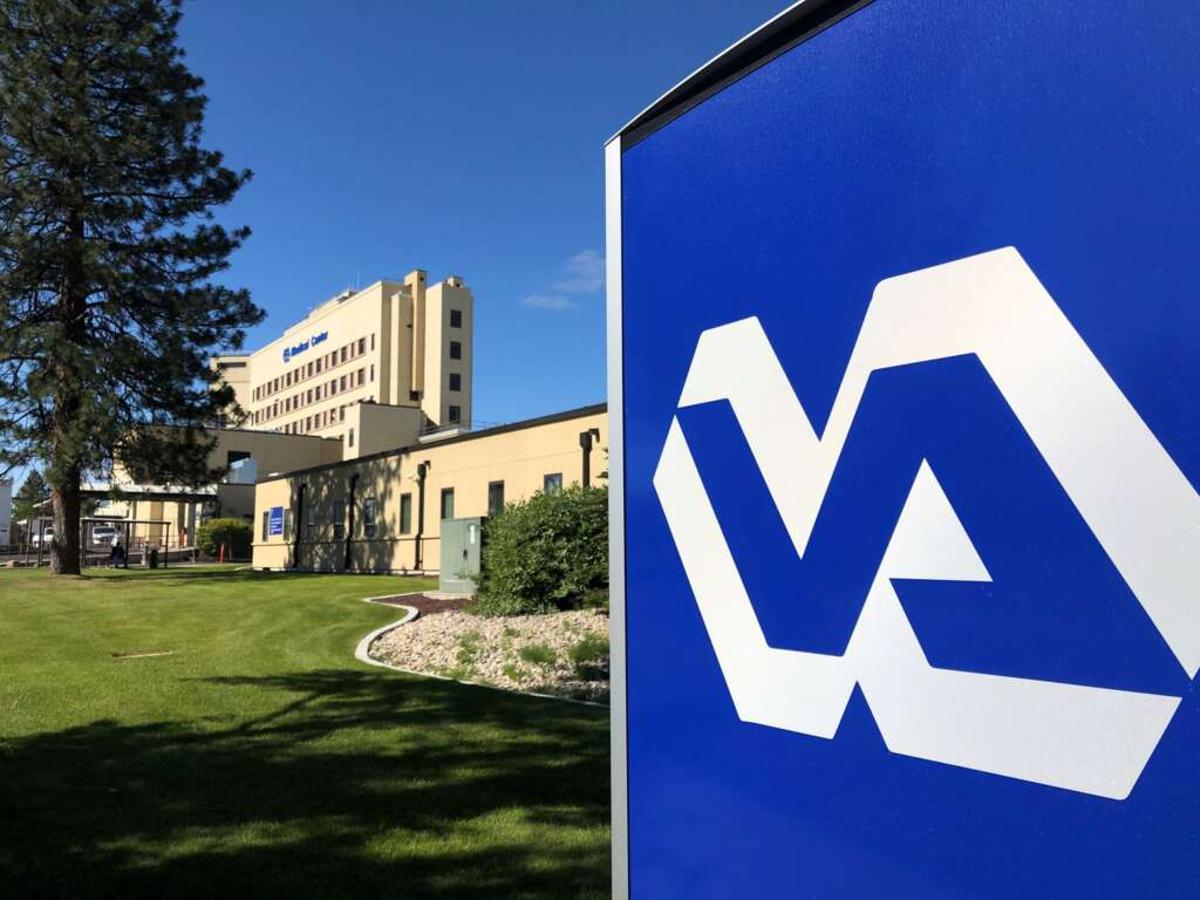
VA EHR Rollout Continues with 4 More Deployments
Why It Matters
A unified VA‑DoD health record promises better care coordination for veterans, but lingering performance and safety issues could undermine patient outcomes and confidence in federal health‑IT initiatives.
Key Takeaways
- •Four Ohio/Kentucky VA sites went live, adding 107k veterans.
- •VA EHR now operates at 14 sites; full rollout slated for 2031.
- •System uptime 96.68% past 18 months, but 800+ incidents reported.
- •GAO finds 13% of staff see efficiency gains; 58% cite safety risks.
- •Trump admin seeks $4.2 billion for EHR, $800 million increase.
Pulse Analysis
The Veterans Affairs (VA) electronic health record (EHR) modernization is one of the most ambitious federal health‑IT projects ever undertaken. Built on Oracle‑Cerner’s platform, the system is designed to replace legacy software, enable seamless data exchange with the Department of Defense, and integrate private‑sector health information for veterans. By the end of 2026 the VA expects to have the new EHR active at 14 sites, with a full national rollout targeted for 2031, a timeline that mirrors the Defense Department’s recent transition.
Despite impressive uptime metrics—96.68% availability over the last 18 months—the rollout has been marred by more than 800 major performance incidents and persistent user frustration. A Government Accountability Office (GAO) survey revealed only 13% of clinicians believe the system improves efficiency, while 58% perceive heightened patient‑safety risks, especially around prescription orders and suicide‑risk flags. The VA attributes many early glitches to excessive local customization and has moved toward a standardized deployment process, adding roughly 1,500 bug fixes and enhancements since the pause in 2023.
Political and financial stakes are now front and center. The Trump administration’s FY2027 budget proposes $4.2 billion—about $800 million more than previous allocations—to sustain the rollout and address lingering issues. Congressional committees are scrutinizing the program’s progress, with recent hearings focusing on leadership appointments and the need to consolidate fragmented scheduling systems. As the VA pushes toward its 2031 goal, the success of this EHR modernization will be judged not only by technical metrics but by its ability to deliver safer, more coordinated care for America’s veterans.
VA EHR rollout continues with 4 more deployments
Comments
Want to join the conversation?
Loading comments...