What Recent Data Reveals About Commuter Safety Trends
Why It Matters
Improved safety reduces fatalities, healthcare costs, and economic disruption, crucial for a region dependent on tourism and commerce.
Key Takeaways
- •Tourist spikes raise accident risk during events
- •Interchange merges cause frequent side‑swipe crashes
- •Cyclists and pedestrians face higher injury severity
- •Intelligent transportation systems enhance real‑time traffic control
- •Infrastructure upgrades target high‑collision hotspots
Pulse Analysis
Commuter safety in Southern California has become a data‑centric priority as traffic volumes rise and tourism intensifies. Recent San Diego crash statistics show that holiday periods and major events bring unfamiliar drivers, stretching roadway capacity and raising human error risk. Planners are turning these trends into forecasts of congestion hotspots, allowing pre‑emptive allocation of temporary shuttles and clearer signage. Converting raw collision counts into actionable insights helps protect both residents and the millions of visitors who drive the local economy. These steps also improve overall traffic flow.
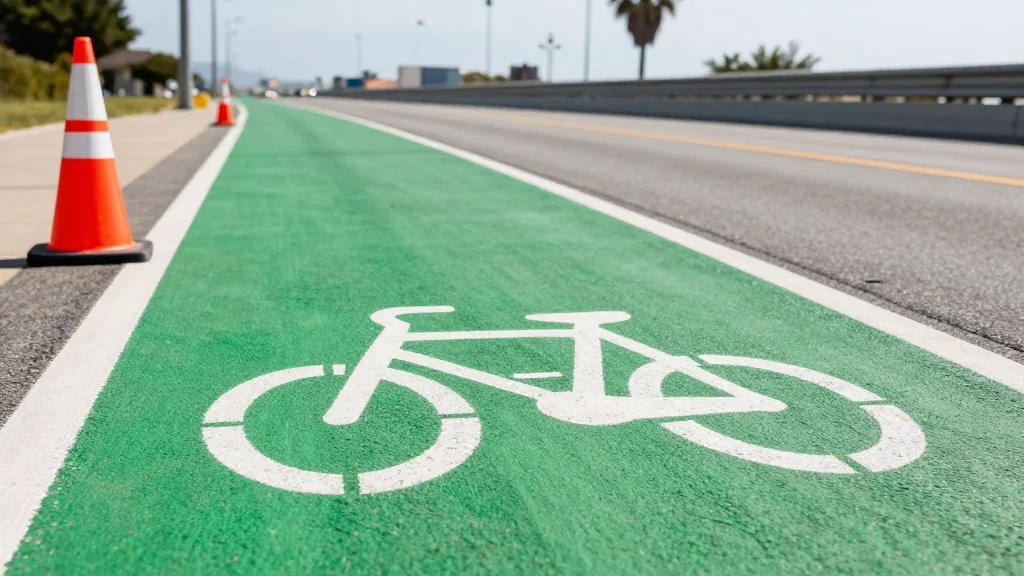
The most hazardous stretches are the sprawling freeway interchanges where multiple highways converge. High‑speed merges and last‑minute lane changes generate a disproportionate share of side‑swipe and rear‑end crashes, prompting redesigns of lane markings, signal timing, and median barriers. Simultaneously, the shift toward active transportation has left cyclists and pedestrians more exposed; even low‑speed impacts can cause severe injuries. In response, the city is adding protected bike lanes, brighter crosswalks, and buffered zones, measures that have already cut vulnerable‑road‑user accidents by double‑digit percentages. The improvements also encourage greener commuting habits.
Intelligent transportation systems and vehicle‑level active safety suites are accelerating the safety curve. Sensors and AI‑driven analytics deliver real‑time traffic data to control centers, enabling dynamic speed limits and faster incident clearance. Features such as automatic emergency braking, lane‑keep assist, and forward‑collision warning are expected to slash low‑speed crashes dramatically. These advances lower fatality rates, reduce medical costs, and shrink insurance premiums, delivering clear economic benefits. San Diego’s combined investment in physical redesigns and digital platforms positions the region as a model for resilient, commuter‑friendly urban mobility. Long‑term, the city expects measurable safety gains.
What Recent Data Reveals About Commuter Safety Trends
Comments
Want to join the conversation?
Loading comments...