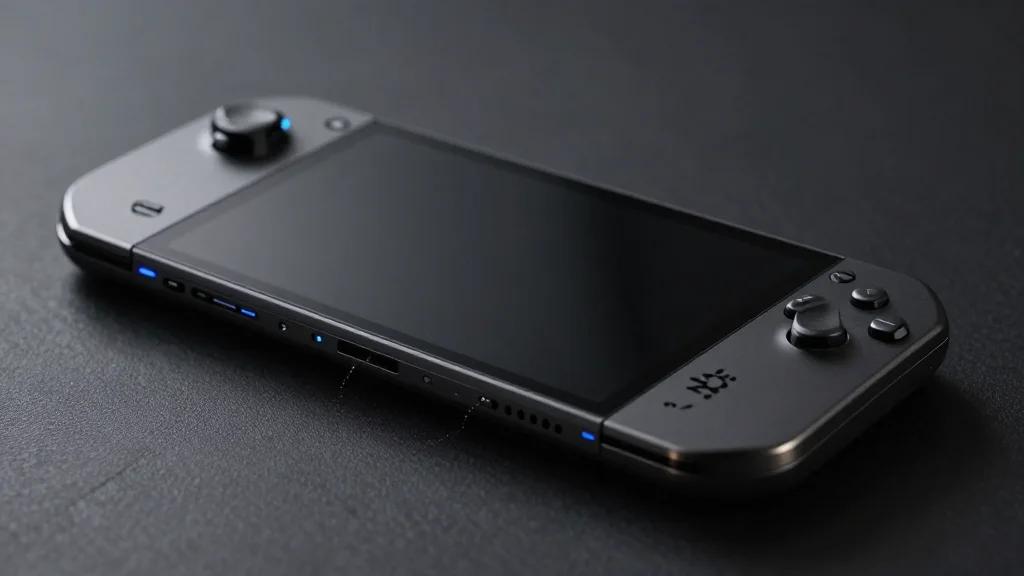
Lenovo Legion Go 2 Launches at $1,200 Amid Price‑adjustment Controversy

Companies Mentioned


Why It Matters
The Legion Go 2’s $1,200 launch price highlights the growing premiumization of handheld gaming hardware, a segment that once thrived on sub‑$600 price points. With component shortages and AI‑driven demand inflating silicon costs, manufacturers are forced to either absorb higher expenses or pass them to consumers, reshaping the market’s price architecture. If Lenovo’s pricing strategy proves unsustainable, it could trigger a cascade of price revisions across the handheld ecosystem, prompting retailers to offer deeper discounts or bundle accessories to maintain sales momentum. Conversely, a successful uptake would validate a higher‑price tier, encouraging rivals to push more powerful specs at similar price levels, potentially accelerating the convergence of handhelds and full‑size gaming laptops.
Key Takeaways
- •Lenovo launched the Legion Go 2 handheld at $1,199.99, citing a 25% discount versus a brief $1,099.99 MSRP.
- •A pricing glitch in April temporarily listed the Z2 Extreme version at $3,000, a 50% increase from its usual price.
- •Nintendo announced a $50 US price hike for the Switch 2, moving the MSRP to $499.99 effective September 1, 2026.
- •The Legion Go 2 competes with the Xbox Ally ($~1,000) and Steam Deck OLED, but its premium price narrows the affordable handheld market.
- •Industry analysts link rising handheld prices to broader component shortages and AI‑driven silicon demand.
Pulse Analysis
Lenovo’s decision to debut the Legion Go 2 at a $1,200 price point is less a bold market move than a reactive adjustment to a volatile supply chain. The brief $3,000 listing for the Z2 Extreme version exposed how automated pricing engines can amplify market anxieties, especially when inventory data is out of sync with real‑world stock. By repositioning the non‑Extreme model as the sole offering, Lenovo is effectively betting that consumers will accept a premium price for a device that delivers console‑grade performance in a portable form factor.
Historically, handheld gaming thrived on price accessibility—think the original Nintendo Switch’s $299 launch or the Steam Deck’s $399 entry tier. The current environment, however, is marked by a confluence of factors: a semiconductor shortage exacerbated by AI training workloads, higher freight costs, and a consumer base that now expects laptop‑level graphics in a handheld. Lenovo’s pricing reflects these pressures, but it also risks alienating the price‑sensitive segment that fuels volume sales. If the Legion Go 2 fails to move units, Lenovo may be forced into aggressive discounting, echoing the tactics seen in the RTX 5090 laptop market where a $1,000 cut was necessary to stimulate demand.
Looking ahead, the handheld market could bifurcate into two camps: a high‑end niche where manufacturers like Lenovo, Asus, and MSI push the envelope with premium specs and price tags north of $1,000, and a budget tier where companies such as Nintendo and emerging Chinese OEMs compete on cost. The success of the Legion Go 2 will be a litmus test for whether the premium segment can sustain itself without eroding the broader ecosystem’s health. Investors and analysts should watch early sales figures, inventory turnover, and any subsequent price adjustments as key indicators of the market’s tolerance for premium handheld pricing.
Lenovo Legion Go 2 launches at $1,200 amid price‑adjustment controversy
Comments
Want to join the conversation?
Loading comments...