The Middle East Had Everything Data Center Builders and Hyperscalers Could Wish for — Then the Iran War Happened
Companies Mentioned
Why It Matters
Geopolitical volatility threatens the reliability guarantees that cloud customers rely on, potentially reshaping global data‑centre investment flows and accelerating a shift toward more stable regions such as Southeast Asia.
Key Takeaways
- •Iranian drones damaged AWS data centres in UAE and Bahrain
- •Hyperscalers may shift new AI data centre projects to Asia
- •Middle East still attracts investment despite geopolitical risk
- •Large sovereign AI strategies keep core projects alive
Pulse Analysis
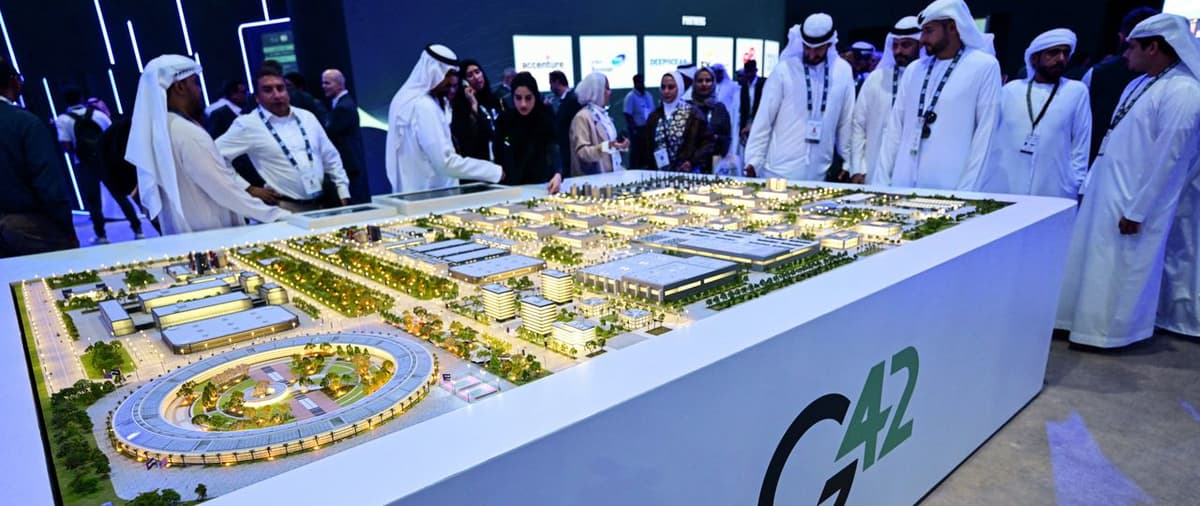
The Gulf’s data‑centre boom began with national AI roadmaps in the UAE, Qatar and Saudi Arabia, leveraging abundant cheap electricity and deep sovereign funds. Early projects like G42 and the Stargate AI cluster promised ultra‑low latency and massive compute capacity, drawing global cloud providers eager to meet surging AI workloads. This strategic positioning made the region a magnet for hyperscalers seeking cost‑effective scale, reinforcing the Middle East’s ambition to become a cornerstone of the worldwide AI infrastructure.
The escalation of the Iran‑U.S.-Israel conflict abruptly highlighted the fragility of that promise. Iranian drones struck Amazon Web Services sites in the UAE and Bahrain, and threats loom over the Stargate facility near Abu Dhabi. Such attacks undermine the core data‑centre value proposition—predictable uptime and resilience—prompting enterprises to reassess risk exposure. Analysts note a nascent pivot toward Southeast Asia, Japan and Australia, where political stability offers a safer backdrop for multi‑year AI compute contracts.
Despite the turbulence, sovereign backing ensures that flagship projects continue. Governments in Saudi Arabia and the UAE view AI infrastructure as a long‑term economic pillar, willing to absorb higher security costs and absorb short‑term disruptions. Meanwhile, construction volumes remain robust, though marginal, debt‑financed projects may face tighter scrutiny. The industry is adapting by hardening facilities, employing military‑grade protection, and diversifying geographic footprints, ensuring that the Middle East remains a key, albeit risk‑adjusted, player in the global data‑centre landscape.
The Middle East had everything data center builders and hyperscalers could wish for — then the Iran war happened
Comments
Want to join the conversation?
Loading comments...