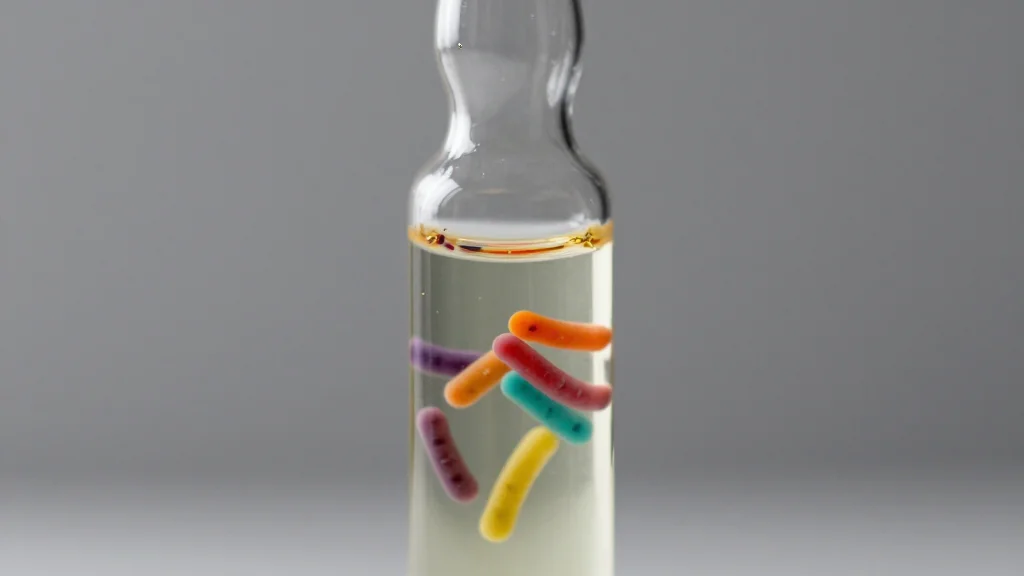
Towards Artificial Gut Microbiomes as an Alternative to Fecal Microbiota Transplantation

Key Takeaways
- •15‑strain LBP matched FMT safety in phase 1b trial
- •Efficacy: 7 of 9 LBP patients remained rCDI‑free
- •Standardized production enables scalable microbiome therapeutics
- •Durable engraftment observed for both LBP and FMT strains
- •Regulators prefer defined consortia, easing approval pathways
Pulse Analysis
Fecal microbiota transplantation has proven clinical value for recurrent C. difficile infection, but its reliance on donor stool creates regulatory friction and batch‑to‑batch inconsistency. Health agencies in the U.S. and EU demand rigorous screening and standardization, which drives up costs and limits widespread adoption. By shifting from an undefined stool matrix to a curated consortium of bacterial strains, developers can meet safety standards while retaining therapeutic potency, addressing a long‑standing bottleneck in microbiome medicine.
The recent phase 1b trial compared MTC01, a 15‑strain live biotherapeutic product manufactured under controlled conditions, with traditional FMT derived from the same donor. Across four arms—low and high doses of both modalities—adverse events were evenly distributed, confirming comparable safety. Efficacy outcomes were striking: seven of nine participants receiving the LBP remained free of rCDI eight weeks post‑treatment, mirroring the eight of nine success rate observed with FMT. Moreover, strain engraftment persisted in recipients, demonstrating that in‑vitro cultured microbes can colonize the gut as effectively as their stool‑derived counterparts.
The implications for the biotech sector are profound. A defined, scalable platform lowers manufacturing complexity, shortens regulatory review cycles, and opens avenues for intellectual property protection. Investors can now envision a pipeline of microbiome therapeutics beyond C. difficile, targeting ulcerative colitis, metabolic disorders, and even neuro‑immune conditions. However, challenges remain in expanding strain libraries, ensuring long‑term stability, and navigating reimbursement frameworks. As the industry refines production techniques, artificial gut microbiomes could become a cornerstone of precision medicine, delivering consistent, high‑quality treatments at commercial scale.
Towards Artificial Gut Microbiomes as an Alternative to Fecal Microbiota Transplantation
Comments
Want to join the conversation?