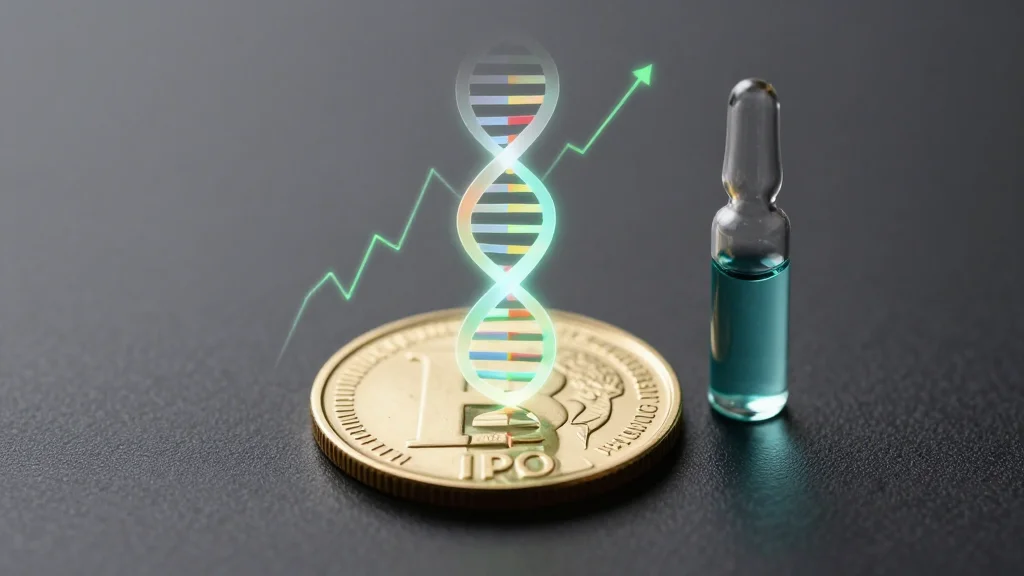
Biotech’s IPO Comeback; Trump’s Tariff Loophole for Pharma
Companies Mentioned
Why It Matters
The revival of biotech IPOs restores a critical capital source for innovative drug development, while AI partnerships could accelerate breakthroughs in underserved therapeutic areas. Reducing tariff exposure reshapes cost structures for global pharma, influencing pricing and supply chain strategies.
Key Takeaways
- •Biotech IPOs rebound as investors regain confidence after pandemic lull
- •Evommune's 2025 IPO shows private drugmakers can succeed despite market softness
- •Insilico Medicine and Aska partner to use AI for gynecological drug targets
- •Trump’s pharma tariff can be reduced to 20% via onshoring agreements
- •“Most favored nation” deals may eliminate tariffs entirely for participating firms
Pulse Analysis
The biotech IPO resurgence reflects a broader re‑evaluation of capital markets after the pandemic‑driven frenzy of the early 2020s. Investors, now more cautious, are rewarding companies with clear pathways to revenue, as demonstrated by Evommune’s successful public debut. Panels at the BIO International Convention underscore that a steadier funding environment—bolstered by stronger cash balances and strategic partnerships—can sustain long‑term R&D pipelines, reviving the IPO as a viable exit strategy for private innovators.
Artificial intelligence is gaining traction in traditionally hard‑to‑drug therapeutic spaces, and the Insilico‑Aska collaboration exemplifies this shift. By merging Insilico’s deep‑learning models with Aska’s clinical expertise in women’s health, the partnership targets complex gynecological conditions such as uterine fibroids and endometriosis, where conventional drug discovery has stalled. Success could not only address a sizable unmet need but also set a precedent for AI‑augmented pipelines across other niche indications, accelerating timelines and reducing development costs.
President Trump’s looming 100% tariff on imported pharmaceuticals has prompted the industry to negotiate onshoring and “most‑favored‑nation” agreements that can slash the effective rate to 20% or even zero. These arrangements reshape supply‑chain calculus, incentivizing domestic manufacturing and altering global pricing dynamics. Companies that secure favorable terms will likely enjoy a competitive edge, while those unable to adapt may face steep cost increases that could be passed to patients, reshaping market share and prompting broader regulatory scrutiny.
Biotech’s IPO comeback; Trump’s tariff loophole for pharma
Comments
Want to join the conversation?
Loading comments...