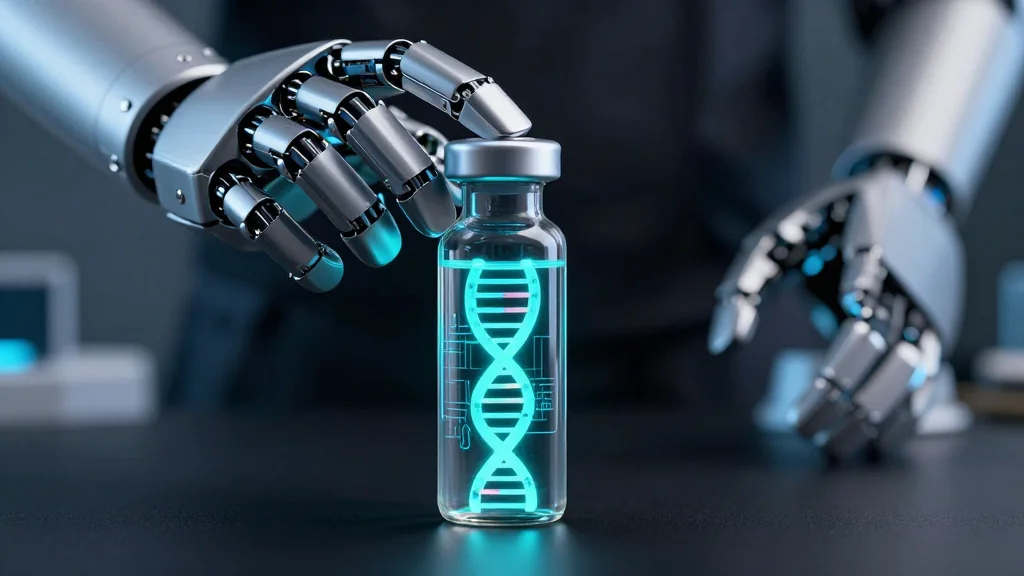
Eli Lilly Inks AI Partnership with Profluent, Eyeing $2.25 B in Gene‑editing Milestones

Companies Mentioned
Why It Matters
The partnership marks a convergence of two transformative technologies—artificial intelligence and gene editing—that could accelerate the development of therapies for diseases currently considered untreatable. By targeting whole‑gene insertion, the collaboration aims to overcome a key limitation of existing CRISPR approaches, potentially expanding the therapeutic reach to a broader set of genetic disorders. If successful, the alliance could also reshape funding models for biotech innovation. The $2.25 billion milestone structure ties payment to tangible scientific progress, incentivizing both parties to prioritize rapid, data‑driven outcomes. This could set a precedent for future AI‑biotech collaborations, encouraging more pharma giants to allocate sizable resources toward AI‑enhanced discovery platforms.
Key Takeaways
- •Eli Lilly and AI biotech Profluent announced a partnership to develop gene editors that can insert entire genes.
- •The agreement includes up to $2.25 billion in milestone payments contingent on program success.
- •Lilly has recently opened a genetic medicine center in Boston and acquired multiple gene‑editing firms.
- •The collaboration targets diseases that require whole‑gene addition, a capability beyond standard CRISPR tools.
- •First milestones are expected within 12‑18 months, with potential clinical trials as early as 2028.
Pulse Analysis
Lilly’s decision to pair its deep financial resources with Profluent’s AI expertise reflects a strategic bet that the next wave of gene‑editing breakthroughs will be computationally driven. Historically, gene‑editing advances have been incremental, limited by the labor‑intensive nature of protein engineering. By automating design through deep learning, the partnership could compress years of bench work into months, reshaping the R&D timeline.
From a market perspective, the $2.25 billion ceiling is sizable but still modest compared with the multi‑billion dollar valuations of pure‑play gene‑editing firms. This suggests Lilly is testing the waters before committing larger sums, a prudent approach given the high attrition rates in early‑stage gene therapy. If the AI‑generated editors demonstrate superior safety and efficacy, Lilly could leverage its global manufacturing and commercialization network to capture a dominant share of emerging gene‑insertion markets, potentially eclipsing competitors still reliant on traditional CRISPR pipelines.
Looking ahead, the partnership’s success will hinge on regulatory acceptance of AI‑designed therapeutics. The FDA’s recent openness to real‑time trial data and adaptive designs could provide a favorable environment, but the agency will likely scrutinize the validation of AI models. Should Lilly and Profluent navigate these hurdles, the collaboration could become a blueprint for how big pharma integrates AI into the most complex therapeutic modalities, accelerating the delivery of cures for patients with rare genetic diseases.
Eli Lilly inks AI partnership with Profluent, eyeing $2.25 B in gene‑editing milestones
Comments
Want to join the conversation?
Loading comments...