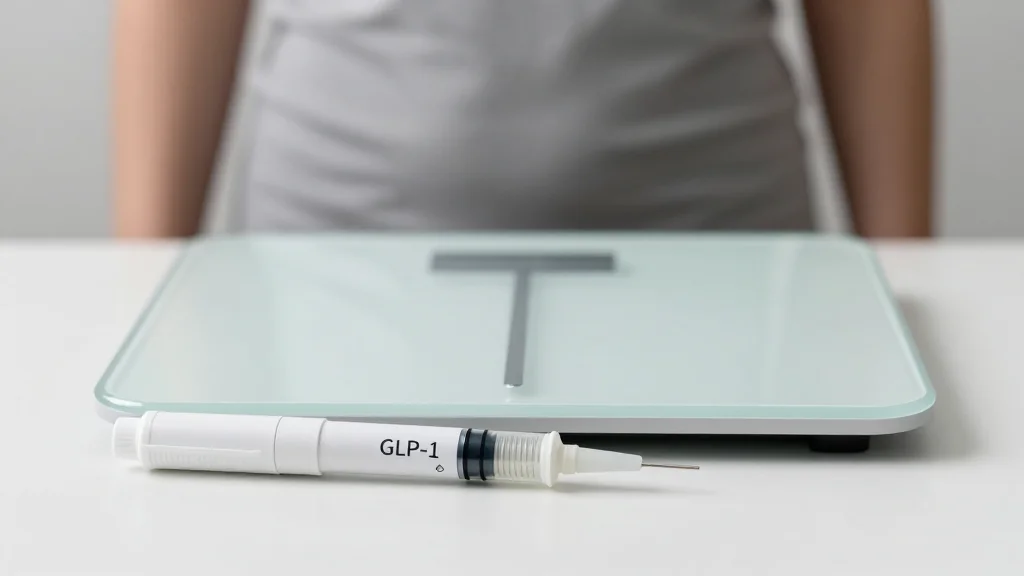
GLP‑1 Drugs Cut U.S. Obesity Rate as Ozempic Use Surges

Why It Matters
The decline in obesity prevalence, even if modest, signals that pharmacologic interventions can complement traditional diet and exercise strategies at a population level. If GLP‑1 access expands, the United States could see reduced incidence of diabetes, heart disease, and related health‑care costs, reshaping the economics of chronic disease management. Conversely, persistent cost and coverage barriers risk creating a two‑tiered system where only affluent patients reap the benefits, deepening health inequities. The shift also pressures the bariatric surgery market, which has long been the go‑to option for severe obesity. A sustained move toward medication could reduce surgical volumes, prompting hospitals to reallocate resources and insurers to rethink reimbursement models. The broader health‑policy conversation will need to balance short‑term drug expenditures against long‑term savings from a healthier population.
Key Takeaways
- •GLP‑1 prescriptions rose from 1,884 to 8,819 per 100,000 adults (Q2 2021‑Q1 2026).
- •Adult obesity fell from 42.3% to 40.7% over the same period.
- •12% of U.S. adults now report using a GLP‑1 drug; usage more than doubled since early 2024.
- •Bariatric surgery rates plateaued in 2023 and declined in 2024‑2025 as medication use grew.
- •More than 90% of patients in a recent study received no obesity treatment at all.
Pulse Analysis
The GLP‑1 explosion marks the first time a drug class has achieved nationwide penetration comparable to statins for cholesterol. Early adoption curves suggest a classic diffusion‑of‑innovation pattern: early adopters—often patients with type 2 diabetes—have been followed by a broader cohort seeking weight loss. The rapid rise from 0.03% to 5.3% of all prescriptions in seven years underscores both the clinical efficacy of these agents and aggressive marketing by manufacturers.
However, the sustainability of this trend hinges on three variables: cost containment, adherence, and complementary lifestyle interventions. At current list prices, a weekly Ozempic injection can exceed $1,000 per month, a figure that many insurers deem non‑essential. If payors do not negotiate lower prices or introduce value‑based contracts, discontinuation rates will likely climb, eroding the early gains in obesity prevalence. Moreover, GLP‑1s address the physiological component of weight gain but do not resolve socioeconomic drivers such as food deserts and sedentary occupations. Policymakers must therefore view these drugs as a tool—not a panacea—within a broader public‑health framework.
Looking ahead, the market could fragment as newer agents (e.g., dual‑agonists) promise even greater weight loss with potentially different safety profiles. Competition may drive prices down, but it could also spur a race to the market that outpaces long‑term safety data. For clinicians, the challenge will be integrating GLP‑1 therapy into a holistic care plan that includes nutrition counseling, physical activity, and mental‑health support. The next wave of research should focus on real‑world outcomes—particularly weight maintenance after drug cessation—to determine whether GLP‑1s can truly shift the obesity epidemic or merely provide a temporary reprieve.
GLP‑1 Drugs Cut U.S. Obesity Rate as Ozempic Use Surges
Comments
Want to join the conversation?
Loading comments...