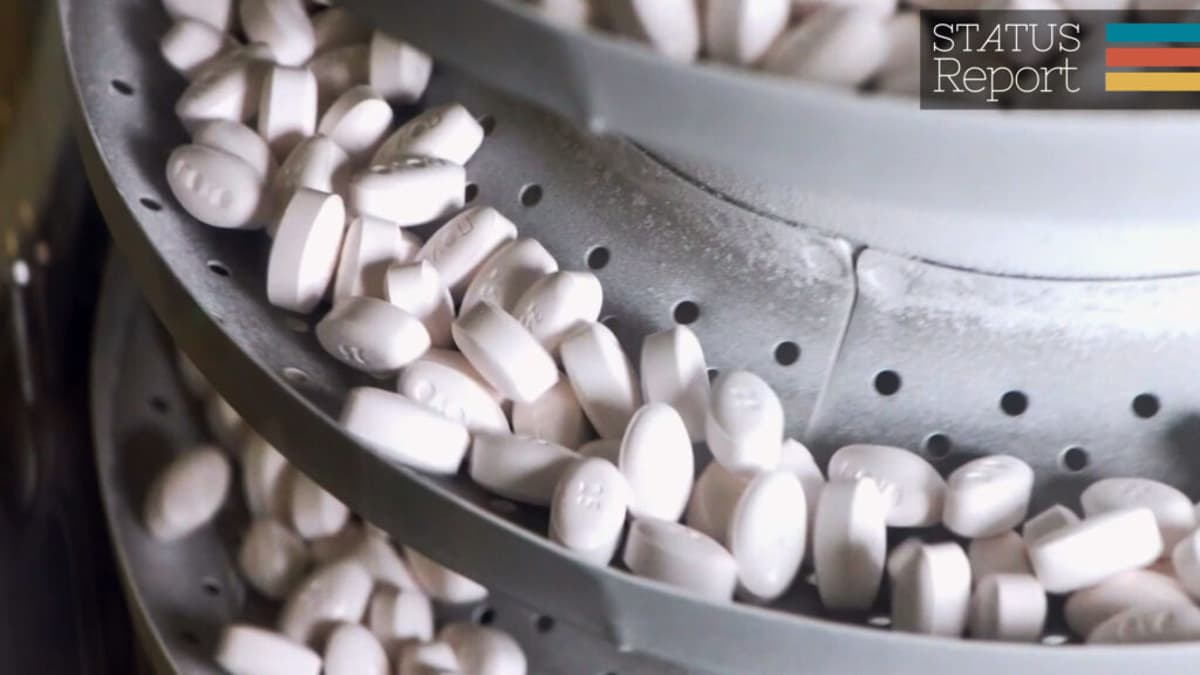
How the ‘Holy Grail’ Weight Loss Pill Became a Reality, and What Comes Next
•March 6, 2026
0
Why It Matters
Oral GLP‑1s make proven weight‑loss therapy more convenient, potentially lowering costs and expanding patient reach in a market hungry for scalable obesity solutions.
Key Takeaways
- •Novo's oral Wegovy launched 2026.
- •Eli Lilly's orforglipron pending approval.
- •Oral GLP‑1s could lower treatment costs.
- •Pill form improves patient adherence.
- •Development required overcoming peptide degradation.
Pulse Analysis
Injectable GLP‑1 agonists such as Wegovy and Ozempic have redefined obesity management, generating billions in revenue and prompting insurers to grapple with coverage. Their success stems from mimicking the gut hormone GLP‑1, which curbs appetite and improves metabolic health. However, the need for weekly or monthly injections has limited uptake among patients wary of needles, creating a market gap for a more user‑friendly delivery method.
Transforming a peptide drug into a stable oral tablet demanded breakthroughs in formulation science. Novo Nordisk invested heavily in coating technologies and absorption enhancers to protect the molecule from stomach acids and facilitate intestinal uptake. Eli Lilly pursued a small‑molecule GLP‑1 agonist, orforglipron, that can survive the gastrointestinal tract without extensive modification. Both companies navigated rigorous FDA pathways, leveraging extensive clinical data to demonstrate bioequivalence to injectables while addressing safety concerns unique to oral administration.
The arrival of oral GLP‑1s could disrupt pricing dynamics and broaden access. Pills are typically cheaper to manufacture and distribute than biologic injectables, potentially easing the financial burden on payers and patients. Moreover, a convenient tablet may improve adherence, translating to better clinical outcomes and reduced long‑term healthcare costs. As competitors race to file their own oral formulations, the market may see intensified price competition, accelerated innovation, and a shift toward earlier intervention in obesity management, reshaping the therapeutic landscape for years to come.
How the ‘holy grail’ weight loss pill became a reality, and what comes next
0
Comments
Want to join the conversation?
Loading comments...