Is MAHA Ready for the Health Challenges of Rural America?
Companies Mentioned


Why It Matters
Rural health disparities threaten national health equity, and MAHA’s success could reshape policy and specialist delivery in underserved regions. Aligning the initiative with evidence‑based practices is essential for sustainable impact.
Key Takeaways
- •MAHA targets chronic disease, nutrition, and prevention in rural health.
- •Rural rheumatology faces severe specialist shortages, worsening patient outcomes.
- •Dr. Lindsey’s contract‑based training sends fellows to rural hospitals.
- •Vaccine and fluoride stances spark controversy, risking public trust.
- •Panel calls for evidence‑based tweaks to MAHA while supporting HHS institutions.
Pulse Analysis
Rural America continues to lag behind in health outcomes, with higher rates of chronic illness, limited preventive services, and a fragmented care infrastructure. The newly launched Make America Healthy Again (MAHA) initiative seeks to reverse these trends by emphasizing disease prevention, nutrition, and reducing corporate influence on health policy. By foregrounding the social determinants of health, MAHA attempts to shift the national conversation from reactive treatment to proactive wellness, a pivot that could unlock billions in long‑term savings if effectively implemented.
One of the most pressing challenges highlighted in the Healio discussion is the scarcity of specialty providers, particularly rheumatologists, in rural communities. Pediatric rheumatology manpower is already in crisis, and the shortage is magnified outside metropolitan centers, leaving patients with delayed diagnoses and suboptimal care. Dr. Stephen M. Lindsey’s innovative model—training fellows under contractual obligations to serve in rural hospitals—offers a scalable solution that aligns workforce development with community needs. By embedding specialists directly into underserved health systems, the approach could improve access, foster local expertise, and reduce patient travel burdens, setting a precedent for other specialties.
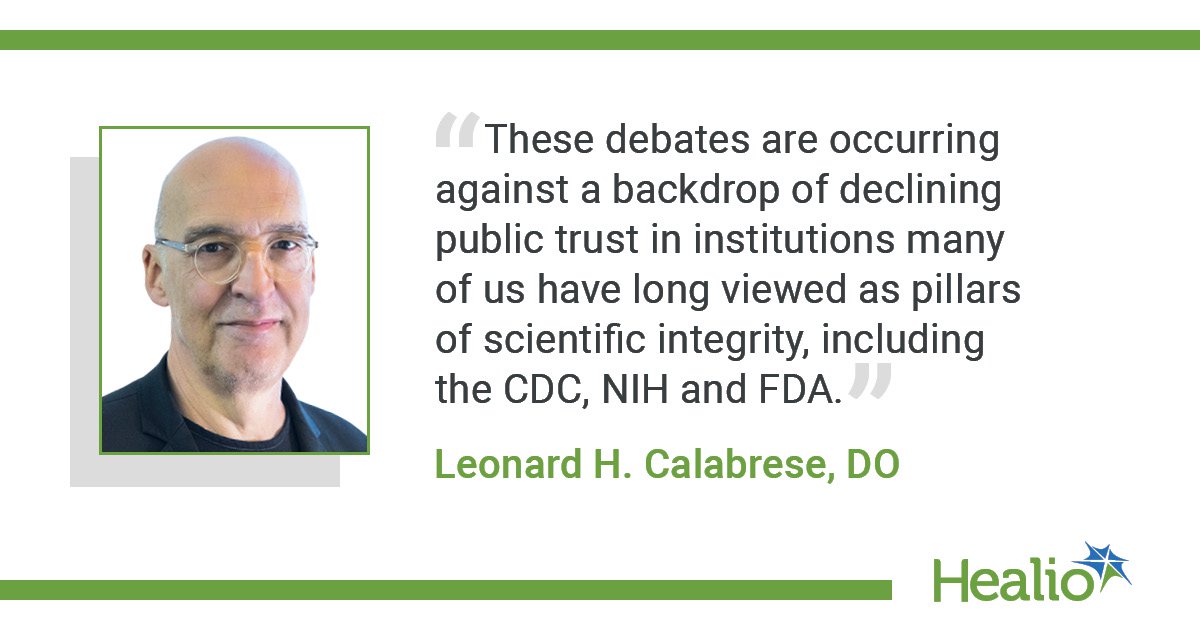
However, MAHA’s agenda is not without controversy. Positions that question vaccine safety, promote raw milk consumption, or oppose water fluoridation have sparked skepticism among public‑health experts and risk eroding trust in institutions like the CDC and FDA. For the initiative to gain traction, it must reconcile these viewpoints with robust scientific evidence, ensuring policies are both culturally sensitive and medically sound. Balancing bold preventive strategies with rigorous data will be critical for MAHA to deliver on its promise and to reinforce the United States’ leadership in biomedical innovation and public‑health stewardship.
Is MAHA ready for the health challenges of rural America?
Comments
Want to join the conversation?
Loading comments...