NIH Researchers Identify Avenue for Enhanced GLP-1-Induced Weight Loss
Why It Matters
Understanding the cAMP mechanism offers a target to boost GLP‑1 efficacy, potentially improving obesity outcomes and reducing treatment frequency, a major market opportunity for pharma.
Key Takeaways
- •Semaglutide boosts cAMP in hindbrain area postrema neurons
- •cAMP response varies; some neurons sustain, others transient
- •PDE4 inhibitor roflumilast prolongs cAMP, enhancing weight‑loss signaling
- •Sustained cAMP could extend GLP‑1 effects and lower dosing frequency
- •Research suggests combo therapies may break patient weight‑loss plateaus
Pulse Analysis
GLP‑1 receptor agonists such as semaglutide have reshaped obesity treatment, delivering up to 15% body‑weight reductions in clinical trials. Yet clinicians observe heterogeneous patient responses and a tendency for weight‑loss plateaus after several months. The variability stems partly from the brain’s complex appetite circuitry, where GLP‑1 receptors modulate neuronal firing in regions like the area postrema. By focusing on the intracellular messenger cyclic AMP, the NIH team adds a missing layer of insight that bridges systemic drug exposure with precise neuronal outcomes.
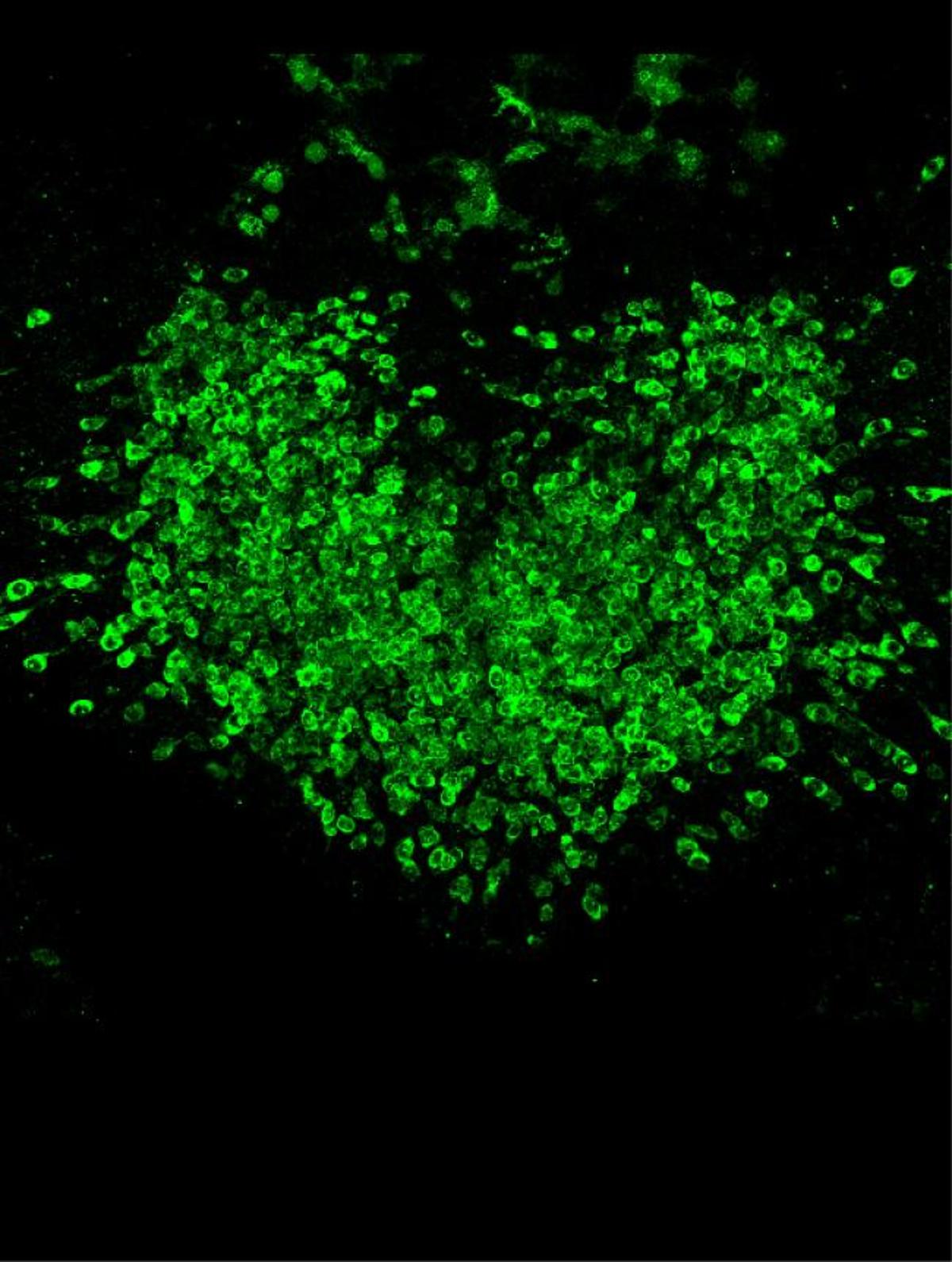
Using live‑tissue fluorescence imaging, researchers tracked cAMP dynamics in real time, discovering a continuum of responses among individual neurons. Some cells maintained elevated cAMP levels throughout semaglutide exposure, while others reverted quickly, likely due to rapid GLP‑1 receptor internalization or degradation. Introducing the PDE4 inhibitor roflumilast halted cAMP breakdown, shifting the balance toward sustained signaling. This pharmacologic tweak amplified the weight‑loss pathway without altering the primary drug, hinting at a modular strategy to fine‑tune efficacy.
If these pre‑clinical results translate to humans, combining GLP‑1 agonists with cAMP‑preserving agents could extend therapeutic windows, reduce injection frequency, and help patients break through weight‑loss plateaus. Such combo regimens would require careful safety profiling, given PDE4 inhibitors’ known gastrointestinal side effects, but they present a compelling value proposition for biotech firms seeking differentiated obesity solutions. Future studies extending the observation window beyond hours, and eventually into clinical trials, will determine whether cAMP modulation becomes a standard adjunct to next‑generation GLP‑1 therapies.
NIH researchers identify avenue for enhanced GLP-1-induced weight loss
Comments
Want to join the conversation?
Loading comments...