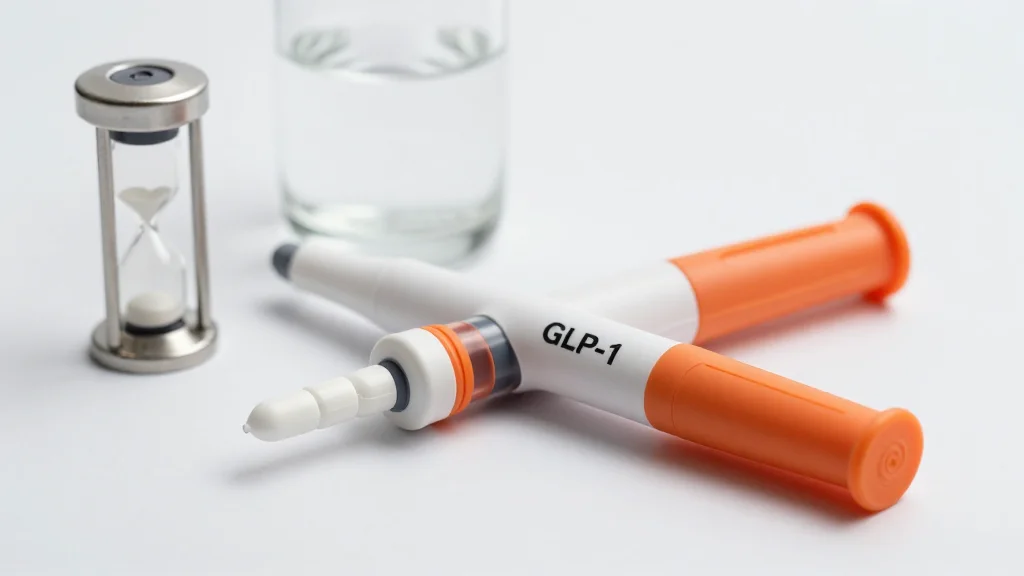
Only 25% of GLP‑1 Users Stay on Treatment After One Year, 74% Plan to Restart

Companies Mentioned
Why It Matters
Low persistence on GLP‑1 drugs threatens to erode the clinical benefits that drove their rapid adoption, potentially inflating overall healthcare costs as patients cycle back and forth, requiring repeated prescriptions and monitoring. Insurers may see higher claim volatility, while pharmaceutical firms could face pressure to lower prices or develop more affordable formulations. The muscle‑loss risk highlighted by experts adds a safety dimension that could translate into higher rates of frailty and fractures, especially among older adults, amplifying the public‑health stakes. Policymakers are now confronted with a dilemma: expand Medicare coverage to improve continuity of care, or tighten regulation of online sellers to curb off‑label, short‑term use. The answer will shape how the next wave of obesity and diabetes therapies are integrated into standard practice and how the industry balances profit motives with patient safety.
Key Takeaways
- •JAMA analysis shows <25% of patients stay on GLP‑1 therapy after 12 months.
- •Kantar survey finds 74% of those who quit plan to restart the medication.
- •Cost, insurance loss and side‑effects are the top reasons for discontinuation.
- •Up to 40% of weight loss on GLP‑1s may be lean muscle, raising sarcopenia concerns.
- •PhRMA is lobbying for Medicare rule changes while seeking tighter oversight of online sellers.
Pulse Analysis
The adherence shortfall signals a mismatch between the commercial hype surrounding GLP‑1s and the realities of chronic disease management. Historically, breakthrough drugs that promise dramatic weight loss have struggled with long‑term persistence—think of the early appetite suppressants of the 1990s. What sets GLP‑1s apart is the scale of their adoption and the price point, which together create a perfect storm for drop‑off when insurance coverage lapses. Insurers will likely respond by tightening prior‑authorization criteria or negotiating lower rebates, a move that could further push patients toward cheaper, unregulated sources.
From a competitive standpoint, the data open a window for next‑generation agents that can deliver similar efficacy with a more favorable side‑effect profile or lower cost. Companies developing oral GLP‑1 formulations or combination therapies may position themselves as solutions to the adherence gap, especially if they can bundle them with digital adherence tools. Meanwhile, the muscle‑loss warning adds a clinical argument for adjunctive resistance‑training programs or nutraceuticals, creating ancillary markets.
Looking ahead, the industry will need robust real‑world evidence to guide policy. If longitudinal studies confirm that intermittent GLP‑1 use accelerates muscle loss and weight regain, regulators may impose stricter labeling or require mandatory monitoring protocols. Until then, clinicians must balance the allure of rapid weight loss against the risk of a revolving‑door pattern that could undermine patient health and inflate costs across the system.
Only 25% of GLP‑1 Users Stay on Treatment After One Year, 74% Plan to Restart
Comments
Want to join the conversation?
Loading comments...