The Gates Foundation Is Funding A Startup’s Plan To Fight Malnutrition With Bacteria
Companies Mentioned

Why It Matters
If successful, the pill could dramatically reduce malnutrition‑related mortality in low‑resource regions, unlocking a scalable, low‑cost therapeutic avenue for a disease with no approved treatments.
Key Takeaways
- •Gates Foundation backs Kanvas to develop microbiome pill for EED
- •Pill contains 145 engineered bacterial strains, far more than typical therapies
- •Targeting pregnant women aims to protect both mothers and newborns
- •Machine‑learning mapping accelerates strain selection and formulation
- •Success could address malnutrition for 150 million at‑risk children
Pulse Analysis
Environmental enteric dysfunction remains one of the most under‑addressed contributors to childhood stunting, especially in areas lacking clean water and sanitation. Traditional interventions—nutrient supplements and sanitation projects—have shown limited impact because they do not directly repair the damaged intestinal lining. By focusing on the gut’s microbial ecosystem, Kanvas Biosciences is tackling the root cause: chronic inflammation driven by pathogenic bacteria. The Gates Foundation’s backing underscores a growing consensus among global health donors that innovative, biologically‑engineered solutions are essential to break the cycle of malnutrition.
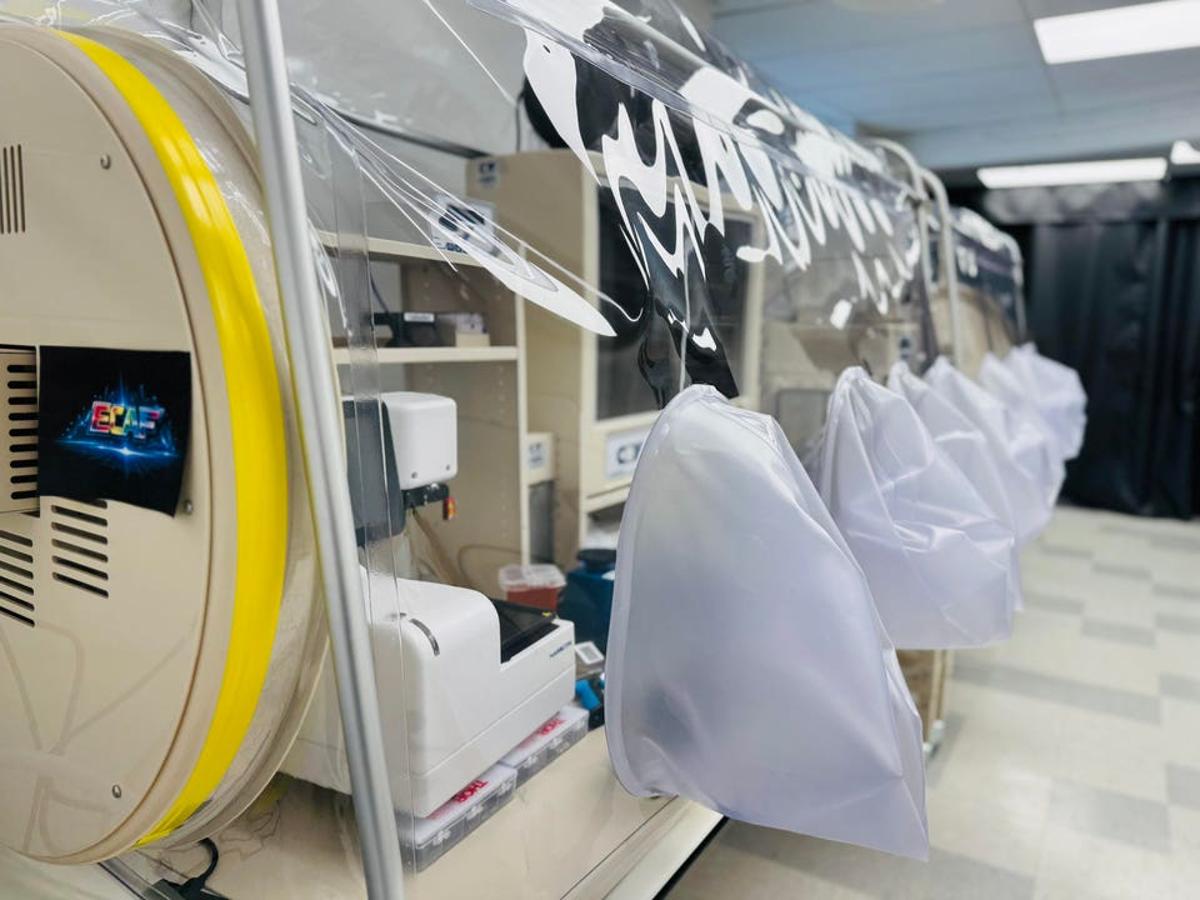
Kanvas’s approach leverages a “Google Maps” of the microbiome, built from spatial imaging and machine‑learning algorithms that pinpoint synergistic bacterial strains. This enables the company to assemble a cocktail of 145 carefully selected microbes into a stable, heat‑tolerant pill—a technical feat that outpaces most fecal‑transplant‑style therapies, which typically involve fewer than a dozen strains. The formulation must survive tropical climates and deliver viable organisms to the small intestine, challenges the team addresses through advanced bioreactor design and encapsulation technologies. Early clinical trials are already testing safety and dosing, laying groundwork for larger efficacy studies.
Should the pill prove effective, it could become a cornerstone of public‑health strategies in the Global South, offering a low‑cost, easily distributed treatment that aligns with existing vaccination and prenatal‑care delivery channels. The market potential extends beyond EED; the same platform could be adapted for other gut‑related conditions, attracting interest from investors seeking impact‑driven biotech ventures. Moreover, success would validate synthetic microbiome therapeutics, encouraging further funding from philanthropic and governmental sources and accelerating the broader adoption of microbiome‑based medicines worldwide.
The Gates Foundation Is Funding A Startup’s Plan To Fight Malnutrition With Bacteria
Comments
Want to join the conversation?
Loading comments...