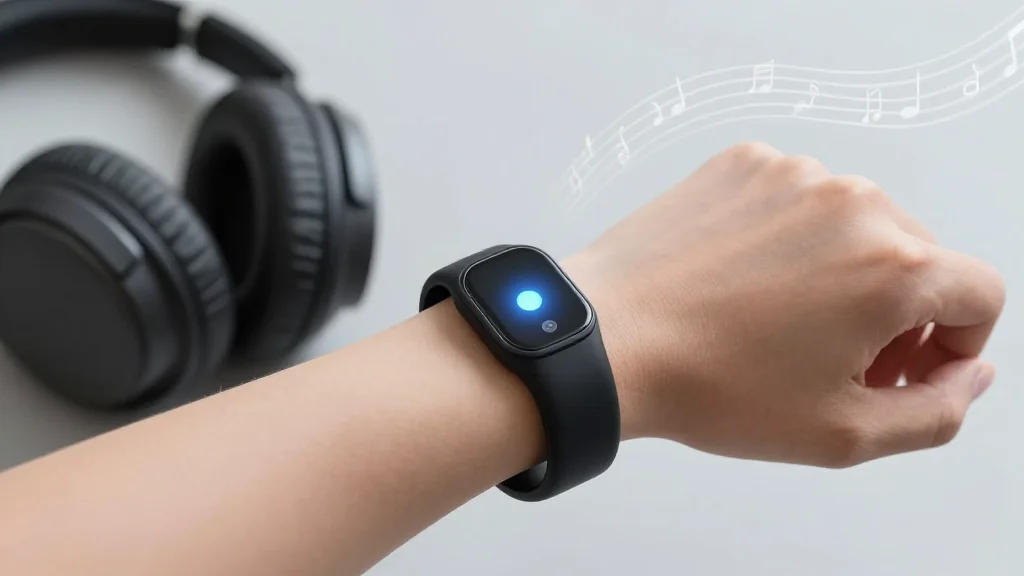
Dispensing Music Like a Drug: The New Frontier in Optimising Health Outcomes
Key Takeaways
- •AI tailors music to physiological responses, acting like a drug
- •Major labels sign deals, unlocking new monetization beyond streaming
- •Clinical trials show measurable biomarker improvements and reduced agitation
- •Licensing complexity demands early rights‑clearance and tech infrastructure
- •Medtech firms target dementia, pain, sleep, and anxiety therapies
Pulse Analysis
The rise of digital therapeutics has pushed the health industry to seek scalable, data‑driven interventions that can be delivered at home or in clinical settings. Music, long recognized for its mood‑lifting properties, is now being quantified through AI algorithms that match tracks to real‑time biometric signals such as heart‑rate variability and cortisol levels. By converting subjective listening into objective physiological outcomes, companies can position music as a prescription‑grade modality, opening reimbursement pathways and attracting investment from venture capital focused on med‑tech innovation.
At the same time, the music ecosystem faces a licensing bottleneck that could stall growth if not addressed early. Commercial tracks are owned by multiple rights holders—record labels for master recordings and publishers for songwriting—each requiring separate clearance. Platforms like Tuned Global provide the necessary infrastructure: large catalog access, fingerprinting technology, and pre‑negotiated agreements that let med‑tech startups embed licensed music into therapeutic devices without legal risk. This backend capability not only protects against lawsuits but also creates a new revenue stream for labels, turning billions of streaming royalties into per‑session fees for hospitals, senior‑living facilities and home‑care providers.
Looking ahead, the convergence of AI, biometric monitoring and music licensing is poised to reshape both healthcare delivery and the music business. As clinical evidence mounts—showing measurable reductions in anxiety, improved gait in stroke patients, and lower agitation in dementia—the demand for personalized soundscapes will expand across payer models and geographic markets. Companies that can seamlessly integrate compliant music libraries with adaptive AI engines will capture a share of the emerging digital‑therapy market, projected to exceed $10 billion globally within the next five years. For artists and labels, this represents a sustainable, high‑value use case that diversifies income beyond traditional digital service providers, while patients gain a low‑side‑effect, drug‑like intervention that can be delivered at scale.
Dispensing music like a drug: The new frontier in optimising health outcomes
Comments
Want to join the conversation?