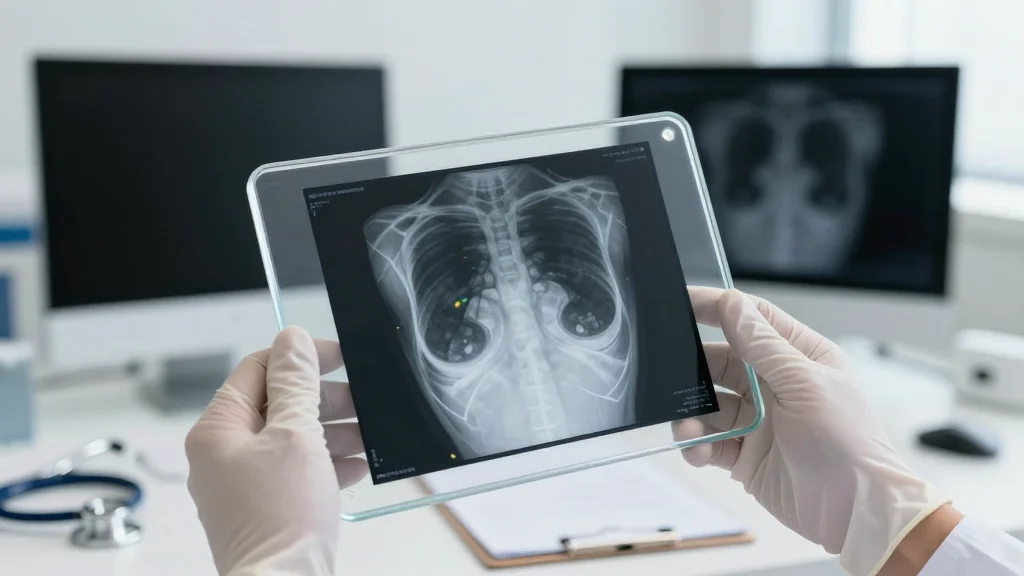
How Advanced Mammography Viewers Are Shaping the Future of Breast Cancer Detection
Key Takeaways
- •Advanced viewers improve image clarity, aiding detection in dense tissue
- •Faster loading and automated protocols boost daily case throughput
- •Interoperability gaps persist, limiting seamless data exchange across systems
- •Vendors focusing on workflow integration may drive better patient outcomes
Pulse Analysis
The rapid evolution of high‑resolution mammography software has outpaced the hospitals that rely on it. While DICOM‑based rendering now produces images with markedly lower noise and higher uniformity, radiologists still wrestle with fatigue and time pressure that erode diagnostic accuracy. Studies show that as readers progress through image batches, detection rates dip, underscoring that image quality alone cannot close the gap in early‑stage breast cancer identification. Understanding this dynamic is essential for investors and health‑system leaders evaluating technology spend.
Backlog pressures from the pandemic have forced providers to seek efficiency gains. Advanced viewers now offer near‑instant loading, automated hanging protocols, and streamlined access to prior studies, enabling technicians to review more cases per shift. However, speed without safeguards can amplify cognitive overload, leading to missed lesions. Balancing rapid throughput with decision‑support tools—such as AI triage or ergonomic interface design—will be critical to sustain diagnostic quality while meeting rising screening demand.
Interoperability remains the Achilles' heel of breast imaging ecosystems. Even when viewers adhere to DICOM standards, fragmented PACS, RIS, and EMR platforms create data silos that delay case handoffs. Vendors like Candelis, Sectra, and Three Palm Software are shifting focus from pure feature sets to integration‑first roadmaps, offering unified workflows that reduce platform switching. As health systems prioritize value‑based care, those providers that can demonstrate seamless data flow and measurable reductions in missed cancers will likely dominate the next wave of breast imaging contracts.
How Advanced Mammography Viewers Are Shaping the Future of Breast Cancer Detection
Comments
Want to join the conversation?