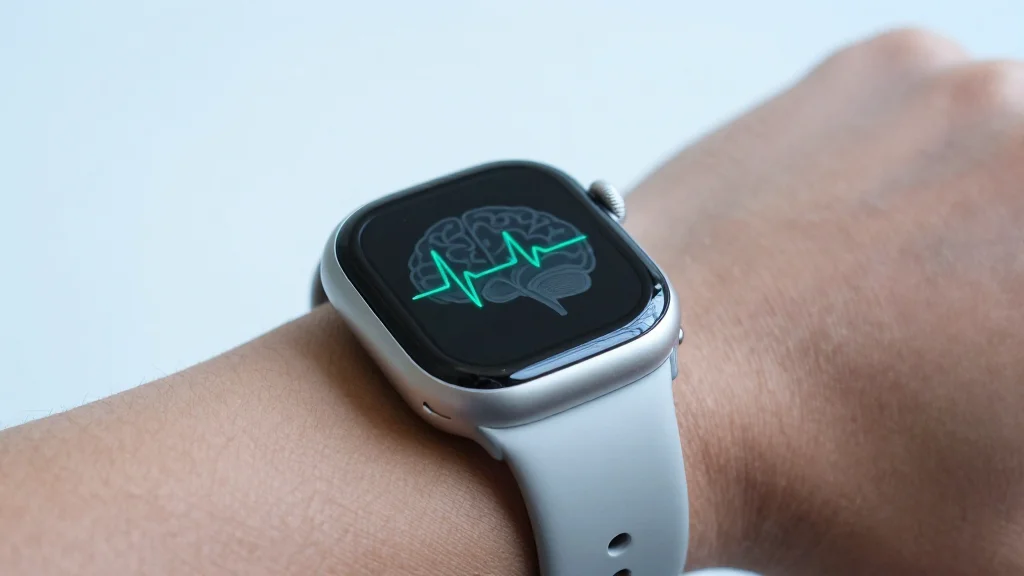
Moving From Reactive to Preventative: The Tech-Led Healthcare Revolution
Key Takeaways
- •Over 500 million people use smartwatches worldwide in 2026
- •Wearables now track heart rate, sleep, stress, oxygen, and more
- •AI‑driven tools like Claude predict early disease signs
- •Data privacy and accuracy remain major concerns for users
- •Inclusive design is essential to avoid widening health inequities
Pulse Analysis
The consumer‑grade wearable market has exploded, driven by affordable sensors and ubiquitous connectivity. Devices ranging from smartwatches to skin‑patch tattoos now deliver continuous streams of biometric data, turning everyday activities into health‑focused metrics. This data deluge empowers users to shift from reactive treatment to proactive lifestyle adjustments, a trend echoed in recent studies linking wearables to increased physical activity across age groups. For businesses, the surge creates new revenue streams in hardware, data analytics, and subscription services, while also prompting investors to scrutinize the sustainability of user engagement.
Artificial intelligence is the next frontier, converting raw sensor feeds into predictive insights. Platforms such as Claude for Healthcare illustrate how machine‑learning models can flag early signs of Parkinson’s, dementia or cardiovascular risk, enabling clinicians to intervene sooner. Yet the integration of AI raises regulatory scrutiny; agencies like the UK’s MHRA now require Data Protection Impact Assessments before deploying AI in clinical contexts. Companies must balance innovation with transparent data handling practices to maintain consumer trust and avoid costly compliance breaches.
Equitable access remains the litmus test for the tech‑led health revolution. Without inclusive design—considering disabilities, cultural nuances, and socioeconomic barriers—wearables risk reinforcing existing health gaps. Engaging diverse user groups early in product development, offering customizable interfaces, and ensuring data security are essential steps toward universal preventive care. As the industry matures, stakeholders who prioritize accessibility and ethical AI will likely capture the most sustainable market share, driving a healthier, more inclusive society.
Moving from reactive to preventative: The tech-led healthcare revolution
Comments
Want to join the conversation?