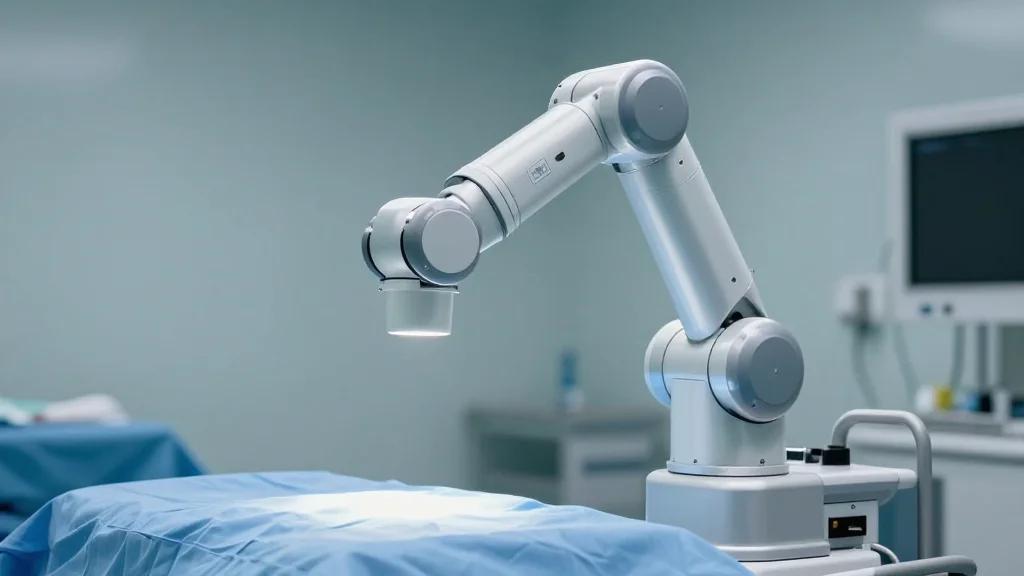
NHS Patients Denied Robot-Assisted Surgery Based on Postcode, Study Reveals
Key Takeaways
- •London hosts 28 NHS surgical robots, Southwest only six
- •Robotic systems cost $0.6‑$1.9 million, funding models vary
- •Patient access depends on local fundraising, creating postcode inequity
- •70,000 procedures in 2023/24, target 500,000 by 2030s
- •Royal College calls for national robot directory and central funding
Pulse Analysis
The disparity uncovered by the Royal College of Surgeons underscores a systemic funding gap in the NHS’s rollout of robotic surgery. While the government touts robotics as a "big bet" in its 10‑year health plan, the lack of a unified capital‑allocation model forces trusts to scramble for resources—whether through leasing agreements, private donations, or ad‑hoc capital budgets. This patchwork approach not only inflates costs but also creates a geographic divide where patients in affluent or well‑connected regions receive cutting‑edge care while others wait for conventional procedures.
Industry analysts see the NHS’s uneven adoption as both a challenge and an opportunity. Manufacturers stand to benefit from a projected surge to 500,000 robot‑assisted procedures within the next decade, yet the current funding model discourages economies of scale and hampers price competition. Calls for more affordable machines, flexible leasing, and refurbished options could lower entry barriers for smaller trusts, aligning commercial incentives with public‑health objectives. Moreover, a transparent national registry of robotic assets would enable better planning, performance tracking, and value‑for‑money assessments across Integrated Care Boards.
Policymakers now face pressure to bridge the gap between ambition and reality. A centralized funding stream, coupled with dedicated training budgets, would standardise access and ensure that the promised benefits—shorter hospital stays, fewer complications, and reduced waiting lists—reach patients regardless of postcode. By establishing a public directory and incentivising cost‑effective procurement, the NHS can transform robotic surgery from a regional privilege into a nationwide standard of care, delivering both clinical and economic gains for the health system.
NHS patients denied robot-assisted surgery based on postcode, study reveals
Comments
Want to join the conversation?