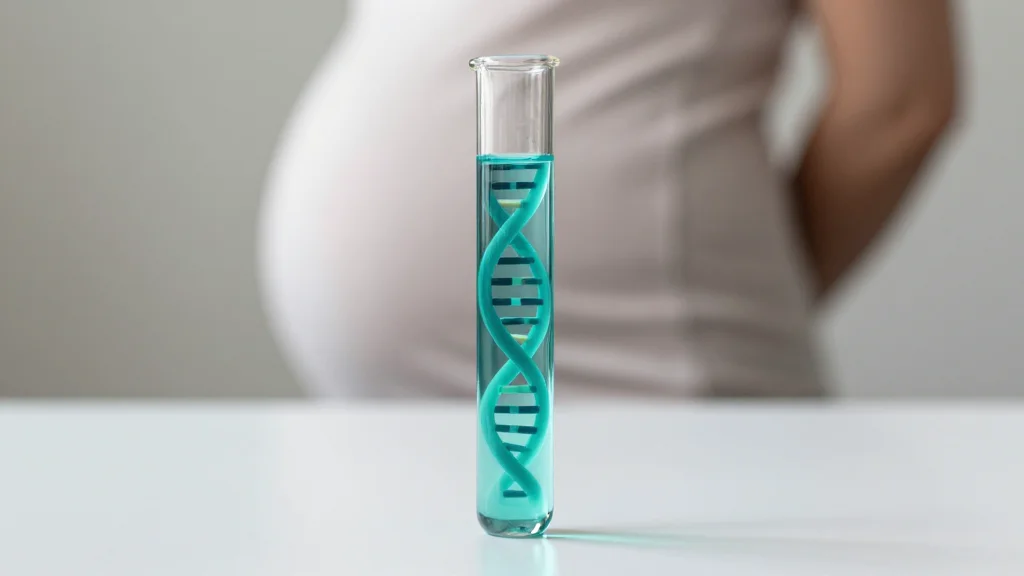
NIPT in 2026: How AI and Next-Gen Sequencing Are Changing Prenatal Screening
Key Takeaways
- •AI-driven NIPT boosts positive predictive value to 88% versus 41% traditional
- •Focus Plus enrichment raises fetal DNA fraction 3.6×, cutting no-calls below 0.1%
- •Expanded panels detect microdeletions, >1 Mb CNVs, and mitochondrial mutations
- •Private UK NIPT outpaces NHS, widening technology gap
- •Higher accuracy reduces invasive follow‑ups and patient anxiety
Pulse Analysis
The integration of next‑generation sequencing (NGS) with machine‑learning models marks a turning point for non‑invasive prenatal testing. By sequencing cell‑free DNA at whole‑genome depth and applying convolutional neural networks to fragment‑size patterns, providers achieve near‑perfect sensitivity while dramatically improving positive predictive value. This technical leap reduces false‑positive alerts that previously sent patients to amniocentesis, streamlining the diagnostic pathway and reinforcing confidence in early‑gestation screening.
From a market perspective, the new capabilities are reshaping the competitive landscape. Private firms such as Jeen Health’s Niptify leverage proprietary enrichment steps—Focus Plus—to amplify fetal DNA signals, delivering no‑call rates under 0.1% and enabling reliable testing for high‑BMI or donor‑egg pregnancies. These advantages position private panels well above NHS‑commissioned services, which remain limited to common trisomies and a handful of microdeletions. The widening technology gap fuels demand for premium prenatal‑genomics packages, prompting insurers and health systems to reconsider reimbursement models and partnership strategies.
Looking ahead, the boundary between prenatal screening and postnatal newborn sequencing is blurring. Initiatives like Genomics England’s Generation Study, sequencing 100,000 newborns for over 200 rare conditions, echo the same high‑depth NGS and AI pipelines now used in NIPT. As regulatory frameworks evolve, providers must ensure algorithmic fairness across diverse populations and maintain rigorous validation to preserve clinical trust. Ultimately, the convergence of AI, NGS, and expanded genomic panels promises a future where comprehensive, early‑life genetic insight becomes a standard component of maternal‑fetal care.
NIPT in 2026: How AI and next-gen sequencing are changing prenatal screening
Comments
Want to join the conversation?